





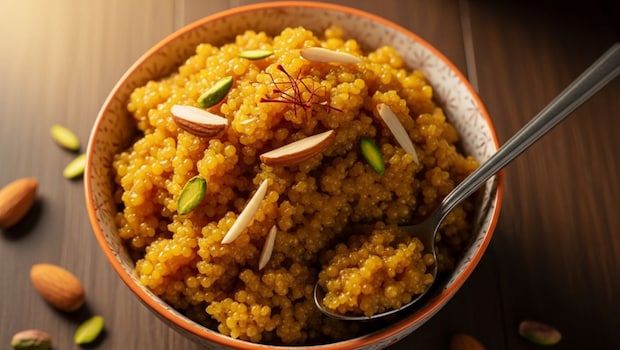
Moong dal halwa is a much-loved Indian dessert, known for its rich flavour, comforting warmth, and festive charm. But getting it right takes time and technique. Even a small mistake can affect the taste, texture, or aroma, leaving the halwa either raw, sticky, or unevenly cooked.
By understanding the common errors home cooks often make, you can avoid disappointment and prepare halwa that tastes smooth, fragrant, and truly indulgent.
Also Read: 6 Mistakes You Should Never Make While Preparing Gajar Ka Halwa
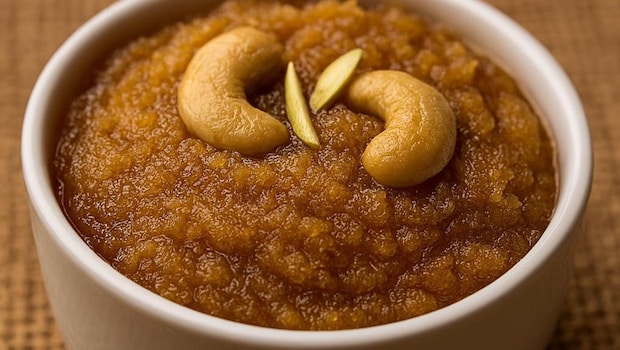
Here Are 6 Common Mistakes To Avoid While Making Moong Dal Halwa:
1. Skipping Soaking and Grinding Poorly
Skipping the soaking step or grinding the dal incorrectly is one of the biggest reasons the halwa turns out coarse. The dal needs several hours of soaking so it softens properly. If it is not soaked well, it will not grind smoothly and will result in a lumpy paste. This affects the final texture and prevents the halwa from cooking evenly.
Soak thoroughly and grind with just enough water to form a smooth, even mixture.
2. Avoiding Besan or Suji When Needed
Some recipes include a small amount of besan or suji to help stabilise the mixture. Completely skipping them can make the halwa too sticky or more likely to burn. A little besan or suji helps bind the dal, prevents sticking, and supports even roasting. When used in moderation, they improve the texture without affecting the original flavour.
3. Using Too Little Ghee
Trying to cut back on ghee is a common mistake. Ghee helps roast the dal properly and brings out its nutty aroma. If you use too little, the mixture may stick to the pan, burn, or taste undercooked.
Moong dal halwa needs generous ghee for even roasting and its signature richness.
4. Roasting on High Heat
Roasting the dal on high heat may seem faster, but it often leads to uneven cooking. The dal may brown on the outside while staying raw inside. Low to medium heat is essential so the dal roasts slowly, develops flavour, and cooks through without burning.
Also Read: Beetroot Halwa Recipe: A Classic Winter Sweet With A Healthy Twist
5. Adding Sugar Too Early
Sugar should never be added before the dal is fully roasted. Once sugar enters the pan, it releases moisture. This can make the halwa sticky and stop the roasting process too soon, leaving the dal tasting raw.
Add sugar only after the mixture becomes aromatic, well-roasted, and starts to separate from the pan.
6. Not Stirring Continuously
Moong dal halwa needs constant attention. Leaving it unattended, even for a minute, can cause the mixture to stick or burn. Continuous stirring helps distribute heat evenly and ensures a smooth, lump-free result. Patience here makes all the difference.
Making perfect moong dal halwa takes time and care, but avoiding these common mistakes will help you achieve a rich, flavourful dessert with a traditional touch.