





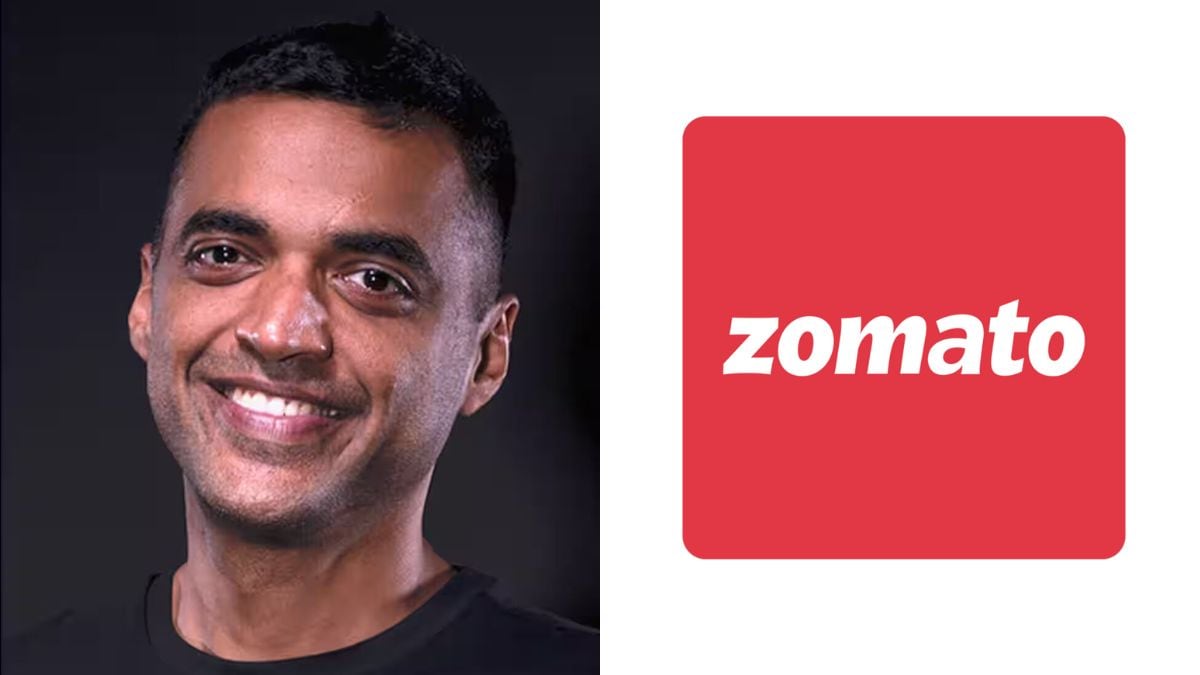
Deepinder Goyal recently announced he would step away from day-to-day executive duties at Eternal (the group that houses Zomato and Blinkit). He will leave the operational helm on 1 February 2026, handing over the role of Group CEO to Albinder Dhindsa, the founder and chief of Blinkit. Goyal is not departing the company: he will remain on the board as vice-chairman and focus on long-term strategy, culture and governance. The handover frames the move as a shift in who runs the day-to-day and who sets the long arc.
For anyone who has followed India's food-tech story, the announcement is a natural moment to step back and read the record: how a small menu-sharing site grew into a listed digital commerce group, how decisions were argued in public, and how the company leaned into quick commerce as a major line of business.
From A Spreadsheet Of Menus To A National Platform
After graduating from IIT Delhi and starting out at Bain & Company, Goyal and a colleague built a small online collection of restaurant menus to solve a day-to-day nuisance. Foodiebay launched in 2008. By 2010, the product had been rebranded as Zomato and was sharpening its focus on consumer discovery and reviews rather than internal corporate use. Over the next decade, the site broadened from listings and reviews to become a multi-product platform with discovery, reviews, subscriptions, and, crucially, delivery. Those steps remade its relationship with restaurants and customers alike. Some of the earliest choices were technical and pragmatic: make restaurant information reliable and searchable; make reviews easy to post and read.
.jpg?im=FaceCrop,algorithm=dnn,width=620,height=350 "Latest and Breaking News on NDTV")
Growth, Exits, And The Turn To Delivery
Delivery, once a small add-on, became central in the early 2010s. The shift transformed Zomato, its partner relationships with restaurants and delivery workers, and the kinds of regulatory and public scrutiny it faced. Along the way, there were rounds of funding, reorganisations and workforce changes. The company's public listing in 2021 was another hinge: it created new expectations around reporting and performance.
When Eternal (then Zomato's parent) moved into quick commerce with Blinkit, it was a deliberate strategic diversification into groceries and instant delivery. The acquisition came amid industry debate over whether ultra-fast delivery could be profitable at scale. Initial integration added pressure to the group's finances, but Blinkit also grew rapidly and became a major part of the company's activity.
A Visible Leader: Patterns In Public Communication
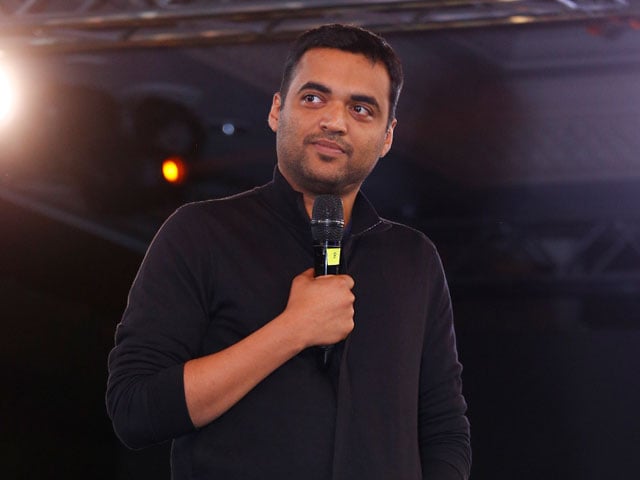
One of the most consistently reported features of Goyal's tenure is that he spoke directly and often. Rather than letting corporate press releases do all the talking, he used social platforms to explain decisions, answer critics, and sometimes to push back. This kind of visibility had its pros and cons. For supporters, it signalled accountability and accessibility; for critics, it provided fresh fodder when a post landed badly. The notable point is not that he tweeted or posted (like many founders do), but that these posts frequently intersected with operational events (strikes, layoffs, product changes) and so carried outsized attention.
Below are some specific examples:
- Backing riders against communal discrimination (2019).
When a customer asked Zomato to change a delivery rider on religious grounds, Goyal publicly defended his rider and Zomato's stance on diversity. He wrote that the company would not "lose any business that comes in the way of our values," a line that was widely reported and shared.
- Public apologies and clarifications
Zomato has, at times, issued public apologies for service or communication missteps. For example, the company apologised in 2021 after an incident involving an incorrect statement by a customer-service executive about language, and in January 2025, the CEO publicly acknowledged a mistake over extra fees on a "veg mode" offering.
- Defending operations amid worker actions (early January 2026).
In posts on X (formerly Twitter) around New Year's, Goyal wrote that Zomato and Blinkit had delivered "at a record pace" and claimed services were "unaffected by calls for strikes," while also referencing enforcement action against a small group he termed "miscreants" allegedly snatching parcels. These posts drew debate because they coincided with simmering disputes between delivery workers and platforms.
The IPO Shift And The Public Company Script
Becoming a public company changed the stakes. Statements carried investor interpretation; operational updates carried market consequences. The transition from scrappy startup founder to the head of a listed group is less about temperament and more about constraints. For a founder who had built a habit of speaking directly, the listed-company environment demanded a new calibration.
Stepping Back, Staying In View
An important update on leadership changes at Eternal. pic.twitter.com/CALn2QQFWE— Deepinder Goyal (@deepigoyal) January 21, 2026
What exactly changed on the day he announced the handover is clear in corporate form: a new Group CEO takes operational charge; Deepinder Goyal moves to a vice-chair and board role. What is less certain is how that change will reshape his public interventions. He remains a major shareholder and an influential voice on strategy; the difference is that his title no longer requires him to sign off on every operational choice.
If one looks at the record today, it's possible to map Goyal's journey in concrete terms. Alongside those business moves sits a timeline of public statements: a founder speaking in real time about operational choices, apologies and controversies.