



Beetroot thrives in cool weather. Its peak season runs from October to March, with February and March giving you the sweetest, most tender roots. Young beetroots grate easily and cook quickly, while older ones turn fibrous and taste more earthy. Choosing seasonal beetroot makes all the difference – better texture, better flavour.
Also Read: Makar Sankranti 2026: Date, Time And 6 Traditional Recipes For Celebrations
In Ayurveda, beetroot is considered warming. Its deep colour, earthy taste, and mineral richness help keep your body warm during winter, when digestion slows and energy dips. This makes beetroot halwa not just delicious, but genuinely comforting.
Health Benefits Of Beetroot Halwa
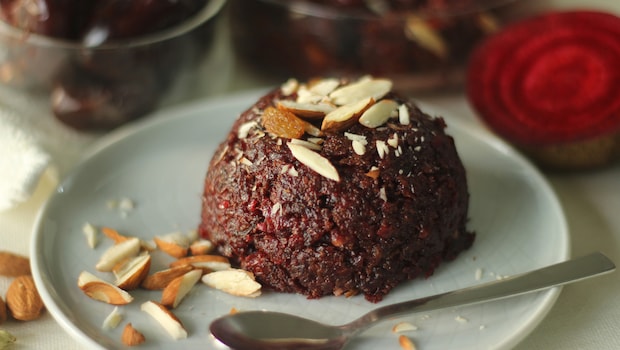
Beetroot is rich in folate, manganese, potassium, and iron – all important for immunity and energy during the colder months. It also contains betalains, powerful antioxidants that fight oxidative stress. That vibrant red colour isn't just pretty; it's proof of its nutritional punch.
Beetroot has natural sugars (around 6–7 grams per 100 grams), so you'll need less added sugar compared to carrot halwa or grain-based versions. As it cooks, these sugars caramelise, giving the halwa a lovely depth of flavour without heaps of refined sugar.
How to Make Beetroot Halwa at Home

Ingredients (Serves 6–8):
- 500 g fresh beetroot (medium-sized, tender ones)
- 3 cups full-fat milk
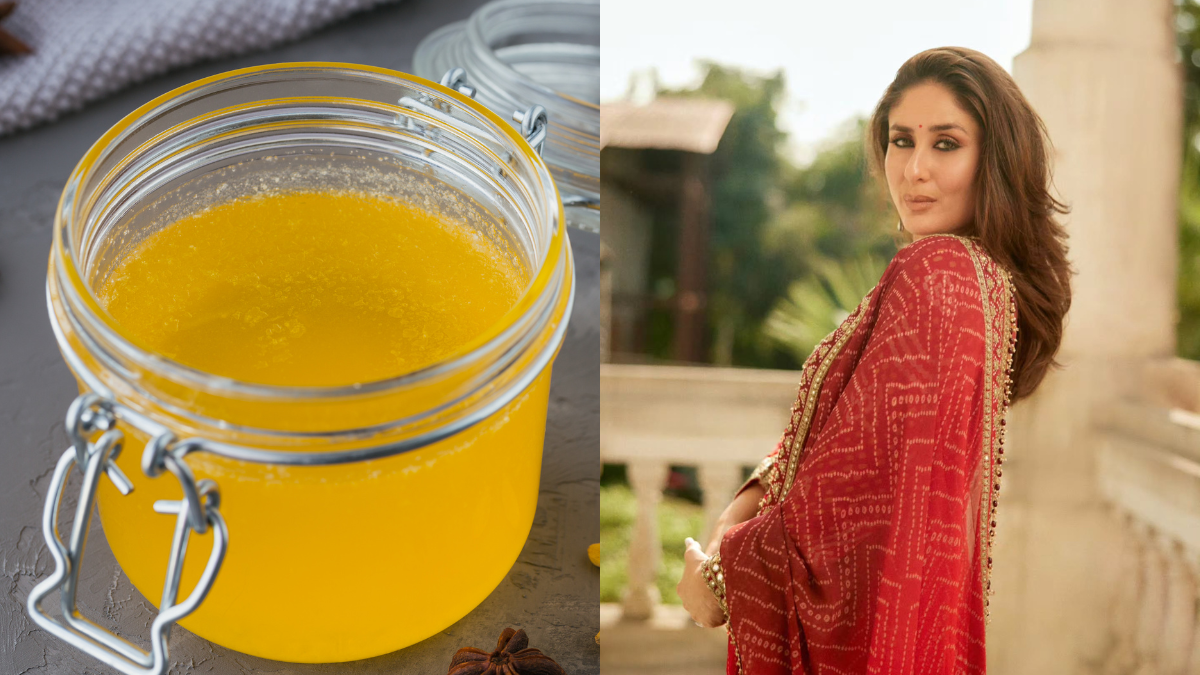
- 6 tbsp ghee (divided)
- ¼ to ⅓ cup sugar (adjust to taste)
- 15–20 cashews, split
- ½ tsp cardamom powder (or 4–5 pods, crushed)
- Optional: ¼ tsp rose water, ½ cup khoya for extra richness
Method
Step 1: Prep the Beetroot
Wash, peel, and grate the beetroot using a medium grater. Avoid fine graters – you want strands, not mush. A food processor with a grating blade works too.
Step 2: Sauté
Heat 1 tbsp ghee in a heavy-bottomed pan. Add grated beetroot and sauté for 3–5 minutes until the raw smell fades.
Step 3: Add Milk and Cook
Pour in the milk and stir. It will look thin – that's fine. Cover and simmer on low to medium heat, stirring occasionally.
Step 4: Reduce
After 10–15 minutes, uncover and let it cook until the milk reduces to about a third. This takes 20–30 minutes. The beetroot should be soft.
Step 5: Add Sugar
Once the milk has reduced and beetroot is cooked, add sugar. The mix will loosen up – that's normal. Keep cooking.
Also Read: Chocolate Chip Banana Bread Recipe: Perfect Pairing With Hot Coffee For Winter Mornings
Step 6: Add Ghee Gradually
Add ghee in small amounts over 10–15 minutes, stirring well each time. This gives the halwa its glossy texture.
Step 7: Finish with Flavour
Add cardamom and roasted cashews. If using khoya or rose water, add them now. Cook for 2–3 more minutes.
Step 8: Done!
The halwa is ready when it leaves the sides of the pan and looks thick and shiny. Total time: 45–60 minutes.
Why This Recipe Works

- Full-fat milk makes it creamy and helps caramelise sugars.
- Gradual ghee addition prevents greasiness and gives that signature shine.
- Sugar timing matters – add it only after the beetroot is cooked.
- Low flame ensures slow caramelisation without burning.
Storage Tips
- Room temperature: Keeps 1–2 days. Warm gently with a splash of milk before serving.
- Fridge: Lasts 5–7 days. Some even enjoy it chilled like pudding.
- Freezer: Up to 2–3 months. Thaw overnight and reheat gently.
Also Read: Watch: Rat Spotted At Domino's, Internet Says "Ratatouille In Real Life"
Why You'll Love It
Beetroot halwa is more than a dessert – it's a winter ritual. It warms you up, nourishes your body, and slows you down in the best way. In a world of instant everything, this dish asks for patience. And that patience tastes incredible.