


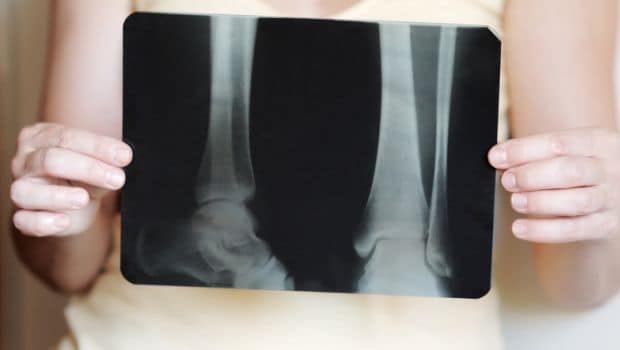
High cholesterol, which is a known factor for the decrease in heart health may harm more than our cardiovascular systems and lead to bone loss, say researchers including one of Indian-origin.
For the study, Prasadam and her team used two different animal models to mimic human hypercholesterolemia.The first was a mouse model that had an altered gene called Apolipoprotein E that made the animals hypercholesteremic.The other was a rat model, and the animals were fed a high-cholesterol diet, causing diet-induced hypercholesterolemia.Both models were fed a high-cholesterol diet or control normal diet, after which they underwent a surgery that mimics knee injuries in people and was designed to bring on osteoarthritis.Both the mice and the rats that were subjected to surgery and fed with high-cholesterol diets showed more severe osteoarthritis development than seen in the normal diet group.However, when both the mice and the rats were exposed to the cholesterol-lowering drug atorvastatin and mitochondrion-targeted antioxidants, the development of osteoarthritis was markedly decreased in relation to the untreated groups.This study tested the potential therapeutic role of mitochondria targeting antioxidants in high-cholesterol-induced osteoarthritis, the researchers said."Our team has already begun working alongside dieticians to try to educate the public about healthy eating and how to keep cholesterol levels at a manageable level that won't damage joints," Prasadam said.The research was published online in The FASEB Journal.(This story has not been edited by NDTV staff and is auto-generated from a syndicated feed.)

 "Certainty Is A Problem": Nikhil Kamath On Marriage, Children And Future
 The Mystery Of A Bare Nail In Ashwini Vaishnaw's Office
 Paris Setback, Asian Games Glory: Lovlina Borgohain's New Perspective
 'AI Scares Me': Kriti Sanon On Personality Rights And Need For Laws
 'This Time I Wanted Gold': Savita Punia Reflects On Historic Asiad Success
 Neha Goyal Makes Stunning Asian Games Gold Revelation At NDTV World Summit 2026
 RBI Governor Sanjay Malhotra Drops Big Hint On Tata Sons Listing Row At NDTV World Summit
 Big NDTV Summit Impact: RBI Governor's Tata Sons Listing Remark Makes Top Newspaper Headlines
 "High Inflation Is Like Tax On Everyone": RBI Governor At NDTV World Summit
 AI Assistants Are Both Frightening And Empowering, Says Mike Walsh
For the study, Prasadam and her team used two different animal models to mimic human hypercholesterolemia.The first was a mouse model that had an altered gene called Apolipoprotein E that made the animals hypercholesteremic.The other was a rat model, and the animals were fed a high-cholesterol diet, causing diet-induced hypercholesterolemia.Both models were fed a high-cholesterol diet or control normal diet, after which they underwent a surgery that mimics knee injuries in people and was designed to bring on osteoarthritis.Both the mice and the rats that were subjected to surgery and fed with high-cholesterol diets showed more severe osteoarthritis development than seen in the normal diet group.However, when both the mice and the rats were exposed to the cholesterol-lowering drug atorvastatin and mitochondrion-targeted antioxidants, the development of osteoarthritis was markedly decreased in relation to the untreated groups.This study tested the potential therapeutic role of mitochondria targeting antioxidants in high-cholesterol-induced osteoarthritis, the researchers said."Our team has already begun working alongside dieticians to try to educate the public about healthy eating and how to keep cholesterol levels at a manageable level that won't damage joints," Prasadam said.The research was published online in The FASEB Journal.(This story has not been edited by NDTV staff and is auto-generated from a syndicated feed.)