


 Should Machines Decide Who Lives And Dies In A War? Ex-CIA Chief Answers
 Kriti Sanon Says Instagram Has No Option To Report AI-Generated Images Of Her
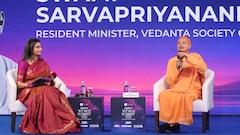 What Anthropic, Monks And The Cusp Of Consciousness Teach About Tomorrow
 Nikhil Kamath's Big AI Bet: Why India Should Look Beyond Silicon Valley
 When Will India Get Its Own Apple, Samsung? Ashwini Vaishnaw Reveals Timeline
 Neeru Saini On Fitness, Focus & Her Love for Churma!
 NDTV Lifeline- Himanshu Saini on the Secret to Eating Well: More Greens, Healthier Desserts
 Hockey Champions Savita Punia & Neha Goel on Fitness, Recovery & The Meaning of Health
 Millets: The Superfood That's Good for You and the Planet
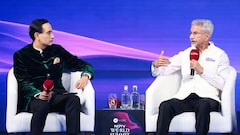 Yoga, Millets, Vaccines: S Jaishankar On How India Is Building Stronger Ties | NDTV World Summit
To prove their findings, study participants comprised of a group of overweight men. They were asked to walk for 60 minutes at 60 per cent maximum oxygen consumption on an empty stomach and, on another occasion, two hours after consuming a high-calorie carbohydrate-rich breakfast. (Also read: 10 Incredible Early Morning Workouts)

The research team took multiple blood samples after eating or fasting and after exercising. They also collected fat tissue samples immediately before and one hour after walking. After analyzing, it was revealed that the gene expression in the adipose tissue differed significantly in the two trials. It was found that the expression of two genes, PDK4 and HSL, increased when the men fasted and exercised and decreased when they ate before exercising. The rise in PDK4 likely indicates that stored fat was used to fuel metabolism during exercise instead of carbohydrates from the recent meal and therefore, it may help in promoting extra weight loss. A lot of health and fitness experts also advice that you should exercise on an empty stomach as you cells are able to deliver large amounts of oxygen to your muscles and thus, potentially burn more fat. It can also trigger a set of hormonal changes that can promote muscle gain and fat loss.