

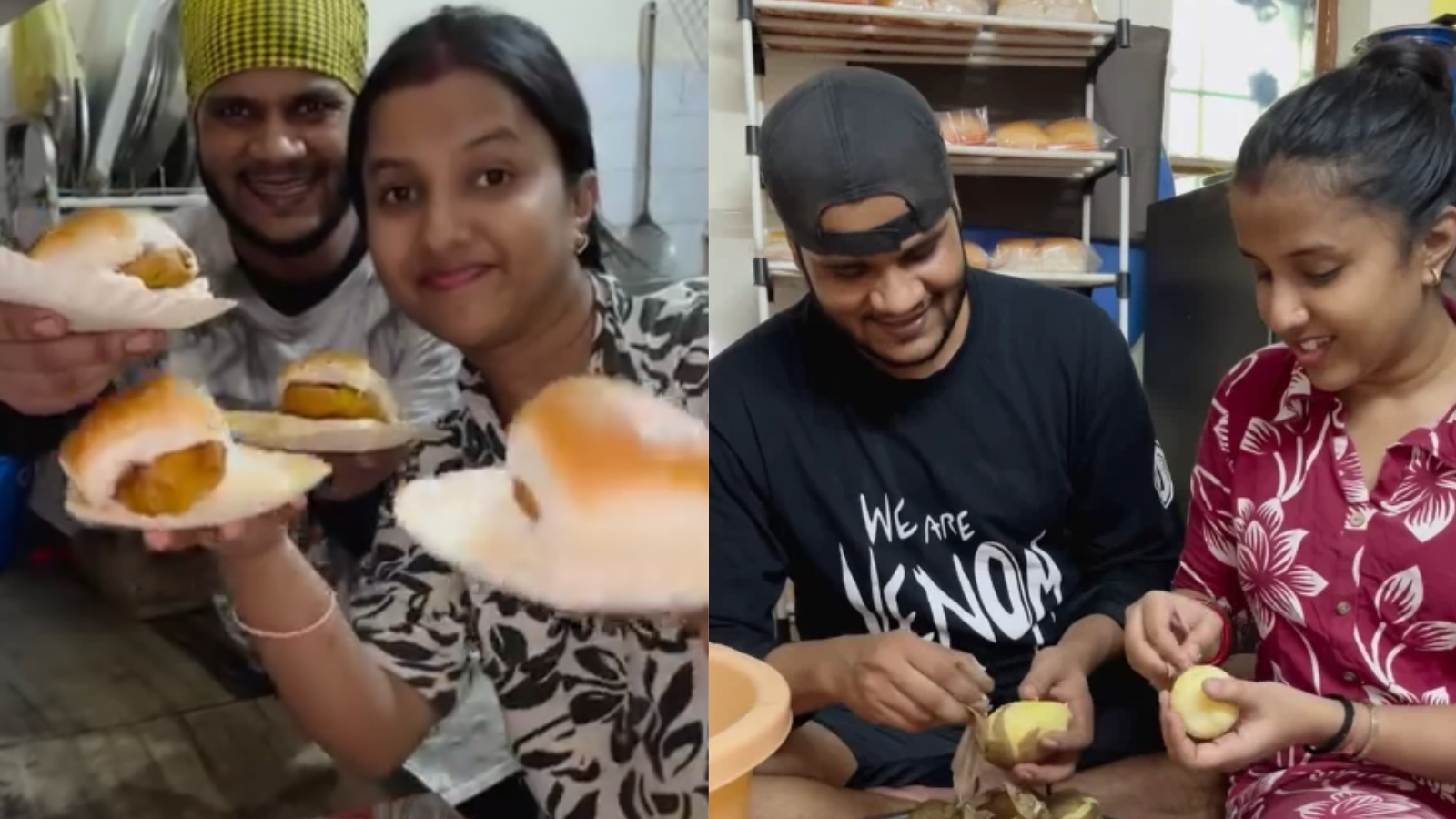



Every Indian kitchen has known the quiet power of leftover yellow dal. It is that familiar bowl that sits in the fridge the next morning, not quite enough for a full lunch yet full of flavour and comfort. Many households treat it like a small problem item, but the truth is that this humble leftover might be one of the most versatile building blocks for weekday breakfasts. Morning cooking usually demands speed, simplicity, and minimal effort. With yellow dal already cooked, seasoned, and softened, it becomes the ideal shortcut for dishes that feel warm, homemade, and nourishing. Before reaching for bread or muesli again, it helps to remember that even a modest amount of dal can shape itself into a crisp cheela, a soft idli, a comforting upma, or tikkis that feel almost celebratory. It is one leftover that never behaves like one.











Also Read: 5 Classic Indian Dishes That Taste Best When Served In A Kulhad Or Matka
Why Leftover Dal Works For Breakfast
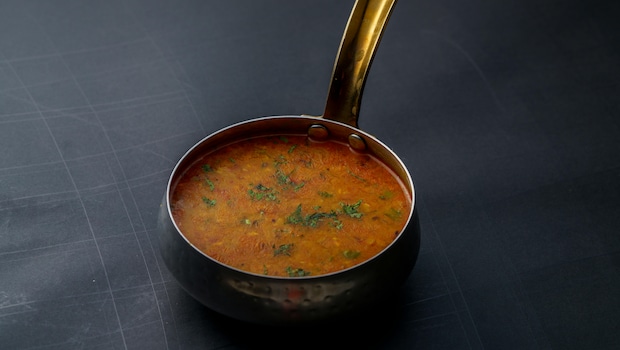
Photo: Pexels
Leftover dal fits easily into breakfast cooking because it already carries depth of flavour and requires very little effort to repurpose. Its softened texture blends swiftly into batters and doughs, which cuts down prep time and avoids chopping marathons early in the day. It is naturally rich in protein, which makes morning meals more filling and balanced. Different consistencies of leftover dal work with different dishes. Thick dal is suitable for binding doughs and tikkis, while thinner dal works well for batters or mixes. This built-in flexibility is why dal becomes such a reliable player in weekday kitchens.
A Quick Look At Dal-Based Breakfast Ideas
Dish | Prep Time | Texture | Best For |
| Dal Cheela | 10 minutes | Crisp edges, soft centre | Busy weekdays |
| Dal Paratha | 15 minutes | Soft, layered | School mornings or office rush |
| Dal Idli | 20 minutes | Soft and airy | Light breakfast days |
| Dal Upma | 15 minutes | Warm and hearty | When you want something wholesome |
| Dal Tikkis | 12 minutes | Crisp outside, soft inside | Snacky mornings |
The dishes move from crisp and light to soft and steamed, then to spoonable and finally to snack-style, which keeps the flow natural and easy to follow.
5 Interesting Ways To Use Yellow Dal For Breakfast
1. Dal Cheela
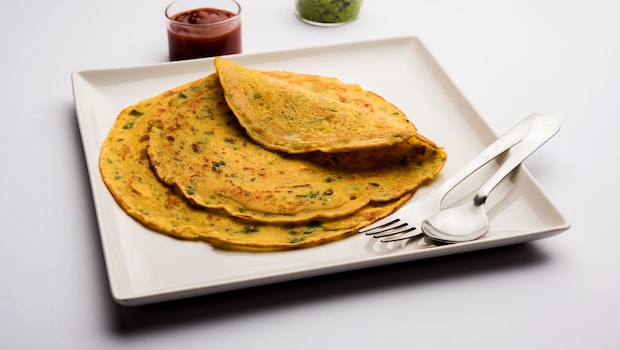
Leftover yellow dal forms a smooth batter that needs almost no morning preparation. A quick blend with ginger and green chilli gives it enough flavour to stand on its own. Spread thinly on a hot tawa for crisp edges and an evenly cooked centre. Dal cheelas work well because the dal already carries seasoning and texture. Serve with green chutney or leftover sabzi for a satisfying start to the day. This works especially well on mornings when time is limited but you still want something warm.
2. Dal Paratha
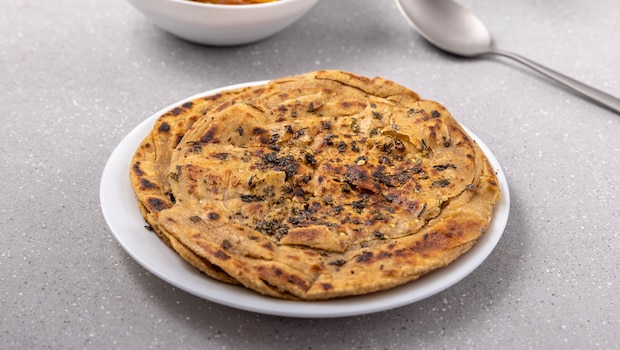
Using leftover dal to knead atta is a trusted household method that results in soft, flavourful parathas. The dal adds moisture and seasoning, which upgrades the dough without extra effort. Roll them as usual and cook with oil or ghee. They pair well with pickle, dahi, or simple chutneys. This option suits mornings when you want something familiar and filling. Thick dal works particularly well here because it blends into the dough without making it sticky.
3. Dal Idli

Leftover dal, especially when slightly thick, can be turned into soft idlis by blending it with soaked poha or semolina and resting the mixture briefly. Steam it like regular idlis and you get a light breakfast without the wait of overnight fermentation. This is a good alternative when you want something homemade but gentle, especially for children or older family members. The dal offers natural softness, which helps the idlis hold their shape and texture.
4. Dal Upma

Dal can enrich upma by giving the rava a creamier consistency and a more rounded flavour. The dal absorbs the tempering well and binds the ingredients together in a very comforting way. Add peas, carrots, or capsicum to make it a complete bowl. This is ideal when you want something warm and spoonable. The dal adds body without making the dish heavy, which is why this version feels both familiar and pleasantly upgraded.
5. Dal Tikkis

For mornings that feel slightly snack-led, leftover dal tikkis are a great choice. Mash the dal with boiled potatoes, a spoon of rice flour or semolina for binding, and simple spices. Shape into tikkis and pan-fry until crisp and golden. These work well with mint or imli chutney and can even be tucked into pav. Thick dal works best for this recipe because it gives the mixture enough structure to hold shape. This is a good option when you want a break from the usual breakfast routine.
How To Store Cooked Dal Safely For The Next Morning
Leftover-based dishes work well only when storage is handled correctly. Cool the dal quickly before refrigerating so it does not sit in the bacterial danger zone. Use airtight containers to avoid contamination and refrigerate within 1 to 2 hours of cooking. Finish it within 24 hours for best taste and reheat thoroughly until steaming before using it. If the dal smells sour or has separated unusually, it is better to skip using it. Safe storage plays a big role in getting consistent results in these recipes.
Also Read: 5 Tips To Make Mutton Seekh Kebabs That Taste Just Like The Ones At Restaurants
Pairing Ideas To Complete Your Dal Breakfast
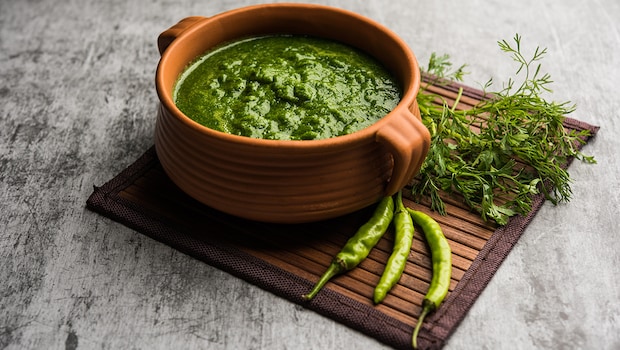
Pairings can elevate these simple dishes into complete meals:
Dal cheela: green chutney, garlic chutney, or homemade achar.
Dal paratha: dahi, butter, or mango pickle.
Dal idli: coconut chutney or sambar made with leftover vegetables.
Dal upma: lemon wedge and roasted peanuts.
Dal tikkis: mint chutney, imli chutney, or a fresh salad.
Leftover yellow dal is not only economical but also surprisingly adaptable. With these ideas, a small bowl from the previous night can turn into a wholesome breakfast that suits both routine and appetite, proving that leftovers often hold more potential than many realise.
About Nikita NikhilMeet Nikita, a passionate soul with an insatiable love for two things in life: Bollywood and food! When she's not indulging in binge-watching sessions, Nikita can be found behind the lens capturing moments or expressing her creativity through painting.