











For many people, blood sugar is not an abstract health term. It shows up quietly at home. In a parent who checks their glucose levels before breakfast and again before bed. In a partner who insists on eating on time because skipping meals leaves them shaky and irritable. In family holidays planned around meal timings, snacks packed in handbags, and a constant mental note of what was eaten and when. Over time, you begin to notice patterns. Energy dips after carb-heavy meals. Sudden hunger that feels urgent rather than normal. Mood changes that have nothing to do with stress. According to nutritionist Rupali Datta, these everyday signals often point to unstable blood sugar, even in people who are not diabetic. The good news is that blood sugar stability does not come from extreme diets. It comes from small, repeatable food habits that fit into daily life and work quietly in the background.
Also Read: How Moringa Leaf Tea Can Help Regulate Blood Sugar Levels
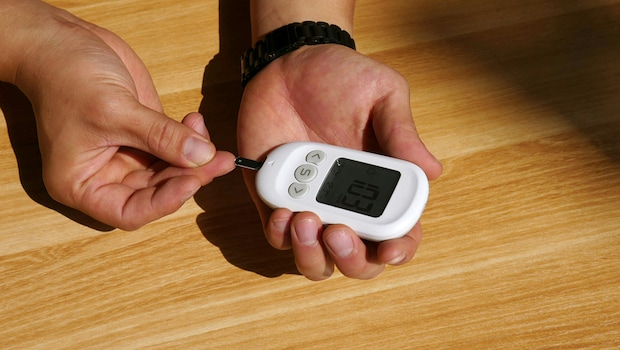
Photo Credit: Unsplash
Trying To Control Blood Sugar? These 9 Everyday Food Habits Actually Help:
1. Start The Day With Protein, Not Just Carbohydrates
Many households dealing with diabetes learn this early. A breakfast of toast, cereal, or fruit alone often leads to a quick rise and fall in blood sugar. Adding protein slows digestion and helps energy last longer.
Better morning choices include:
- Eggs with vegetables
- Yoghurt with nuts or seeds
- Lentils or beans paired with whole grains
Rupali Datta often points out that protein at breakfast sets the tone for steadier blood sugar through the rest of the day.
2. Build Every Meal Around Balance
Meals that lean heavily on carbohydrates tend to trigger blood sugar spikes. Pairing carbohydrates with protein, healthy fats, and fibre helps glucose enter the bloodstream more gradually.
A balanced plate usually includes:
- Carbohydrates for energy
- Protein to slow sugar release
- Healthy fats for sustained fullness
- Fibre to reduce sugar absorption
This balance is especially important for people managing diabetes at home, but it benefits everyone dealing with energy crashes and cravings.
3. Eat At Regular Intervals Instead Of Skipping Meals
Skipping meals is a common trigger for blood sugar swings. It often leads to low glucose levels followed by overeating later in the day.
In households where someone is diabetic, meal timing becomes non-negotiable. Eating at regular intervals helps maintain stable glucose levels, reduces extreme hunger, and supports better energy control throughout the day.
4. Choose Protein-Rich Snacks Between Meals
Reaching for biscuits or sweets between meals can cause rapid blood sugar spikes. Protein-rich snacks provide steadier energy and prevent sudden hunger.

Smarter snack options include:
- Nuts or seeds
- Yoghurt
- Boiled eggs
- Roasted legumes
Datta often stresses that snacks are not the problem. The choice of snack is.
5. Increase Fibre Intake At Every Meal
Fibre slows the absorption of sugar into the bloodstream and helps prevent sharp glucose spikes after meals. It also keeps you fuller for longer.
Foods naturally high in fibre include:
- Vegetables
- Fruits with skin
- Legumes
- Whole grains
In many Indian households managing diabetes, fibre-rich vegetables quietly do more work than any single "superfood".
6. Replace Sugary Drinks With Unsweetened Options
Sugary drinks are one of the fastest ways blood sugar levels spiral out of control. They contain large amounts of quickly absorbed sugar with little nutritional value.
Better alternatives include:
- Water
- Herbal teas
- Unsweetened beverages
Reducing sugary drinks is often one of the first changes recommended by nutritionists for blood sugar control.
Also Read: Why This High-Protein Dal Cheela Recipe Works For 4 PM Hunger And Blood Sugar
7. Watch Portion Sizes, Even With Healthy Foods
Even healthy foods can affect blood sugar when eaten in large quantities. Portion control helps regulate how much glucose enters the bloodstream at one time.
Mindful eating, something families with diabetic members learn quickly, allows the body to process nutrients gradually and more efficiently.
8. Switch Refined Grains For Whole Grains
Refined grains are digested quickly and can cause sudden blood sugar spikes. Whole grains contain fibre and nutrients that slow digestion.
Better grain choices include:
- Oats
- Brown rice
- Quinoa
- Whole wheat
This simple swap often makes a noticeable difference in post-meal energy levels.
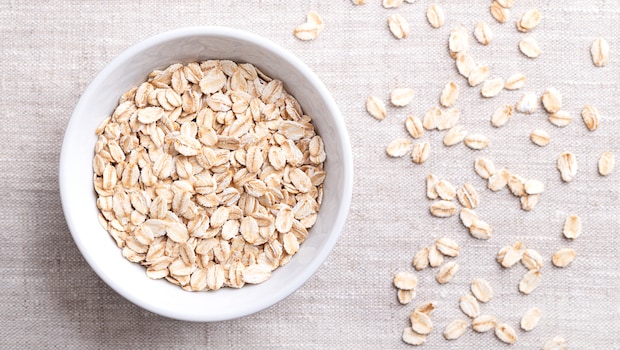
Photo Credit: iStock
9. Know How Common Foods Affect Blood Sugar
Understanding food behaviour helps remove fear around eating and brings clarity to meal planning.
| Food Choice | Effect On Blood Sugar |
|---|---|
| White bread | Rapid spike followed by a quick drop |
| Whole grains | Slower, steadier glucose release |
| Sugary drinks | Immediate blood sugar spike |
| Protein-rich snacks | Gradual energy support |
| Fibre-rich vegetables | Reduced sugar absorption |
The Big Picture
Living with diabetes, or living alongside someone who does, teaches one thing clearly: blood sugar stability comes from consistency. Balanced meals, regular timing, adequate protein and fibre, and mindful portions work quietly but effectively. These habits support steadier energy, fewer cravings, and better daily wellbeing, without turning food into a source of stress.