

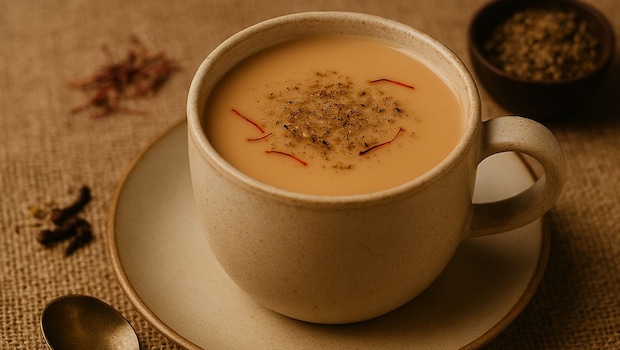
If you've ever wondered where that perfect cup of morning chai actually comes from, chances are it's from Assam. This northeastern gem isn't just India's tea capital; it's where the entire chai story of modern India began. And honestly, if you're serious about your chai (and let's face it, who in India isn't?), Assam needs to be on your travel list.











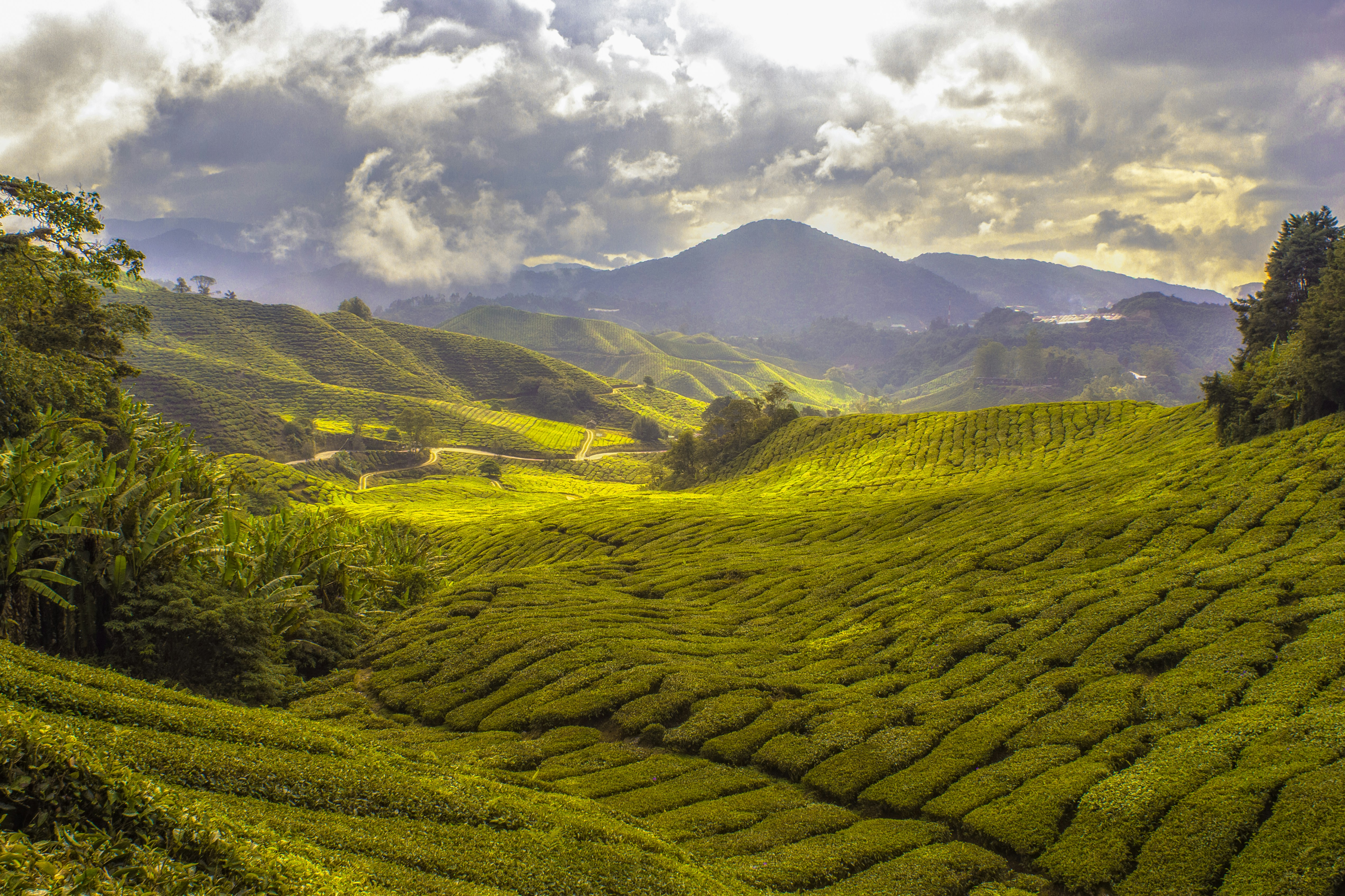
Sprawling tea estates that stretch as far as the eye can see. The aroma of fresh leaves being plucked at dawn. Workers with bamboo baskets moving through emerald-green bushes. This is Assam, the state that produces more than half of India's tea and supplies that robust, malty flavour you love in your morning cup. But beyond the statistics and the production numbers, Assam's relationship with chai is deeply cultural, historical, and absolutely fascinating. Let's dig into why this place deserves the title and what makes it unmissable for anyone who loves a good cuppa.
Also Read: Move Over Keema Pav, This Keema Bread Pakoda Will Be Your New Favourite
Why Assam is Called the Tea Capital of India

Let's start with the facts. Assam produces over 50% of India's total tea output. The state is home to more than 800 tea estates, many of which have been around since British colonial times. The Brahmaputra Valley, with its unique climate and soil, creates the perfect conditions for growing tea. High rainfall, humid subtropical weather, and fertile alluvial soil combine to produce tea that's bold, rich, and distinctly malty, a flavour profile that's become synonymous with Assam tea worldwide.
But it's not just about quantity. Assam tea has a global reputation. It's the backbone of English breakfast blends. It's what goes into your cutting chai. It's strong enough to wake you up and smooth enough to comfort you. The combination of terroir, history, and sheer scale makes Assam the undisputed tea capital of India.
And here's the kicker: Assam wasn't even originally known for tea. The British discovered wild tea plants here in the 1820s, and what followed was a complete transformation of the region's economy and identity. More on that later.
The History of Chai and Assam's Role in It
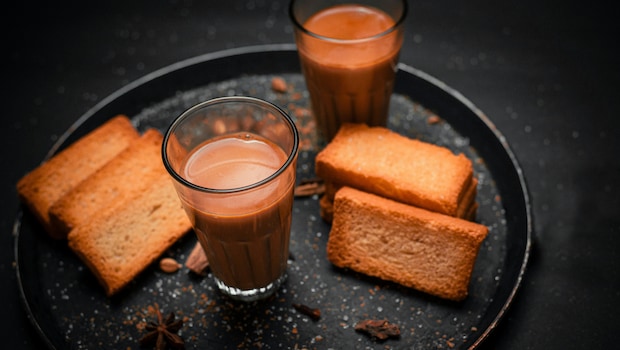
Chai, as we know it today, is a fascinating mix of cultures and histories. The story goes back thousands of years to ancient China, where tea leaves were first consumed. But in India, chai took a completely different route.
How Tea Came to India
In the early 19th century, the British East India Company was desperate to break China's monopoly on tea. They sent botanist Robert Fortune on a covert mission into China to steal tea plants and cultivation secrets. Fortune succeeded, smuggling tea plants and Chinese tea workers into British-ruled India, specifically Darjeeling and Assam.
But here's where it gets interesting. While Fortune's Chinese tea plants struggled in Assam's humid climate, something else was discovered: wild tea plants growing naturally in the Assamese mountains. These plants, later identified as Camellia sinensis var. assamica, turned out to be perfect for the region. By the 1850s, the British had established massive tea plantations in Assam, and the rest, as they say, is history.
The Birth of Masala Chai

Despite all this tea production, Indians didn't initially love black tea. It was expensive, bitter, and didn't match local tastes. To promote tea consumption, the British-backed India Tea Committee launched massive campaigns, free tea at railway stations, promotional events, and relentless marketing.
But Indians, being Indians, adapted. Street vendors started adding milk, sugar, and spices to stretch the tea and make it more affordable. This was the birth of masala chai, a blend of black tea with cardamom, ginger, cinnamon, and cloves. It was part rebellion, part resourcefulness, and entirely genius.
Today, chai is the most consumed beverage in India after water. And the base of that chai? Assam tea.
How to Reach Assam
Assam is well-connected to the rest of India, though getting there does require a bit of planning.
By Air:
Guwahati's Lokpriya Gopinath Bordoloi International Airport is the main gateway to Assam. It's well-connected to Delhi, Mumbai, Kolkata, and Bangalore with daily flights. From Guwahati, you can travel to tea-growing regions like Jorhat and Dibrugarh.
By Train:
Guwahati is a major railway hub in the Northeast. Trains like the Rajdhani Express and Northeast Express connect it to Delhi, Kolkata, and other major cities. Jorhat and Dibrugarh also have railway stations if you're heading directly to tea country.
By Road:
If you're adventurous, driving into Assam via the Siliguri Corridor (also called the Chicken's Neck) is scenic and memorable. The NH27 connects Assam to the rest of India. Buses and shared taxis also run regularly from neighbouring states.
The Tea Plantations: Where the Magic Happens
Assam's tea estates are not just working farms; they're living museums, cultural centres, and absolutely stunning landscapes. Visiting these plantations is the highlight of any trip to Assam.
Jorhat: The Tea Capital Within the Capital
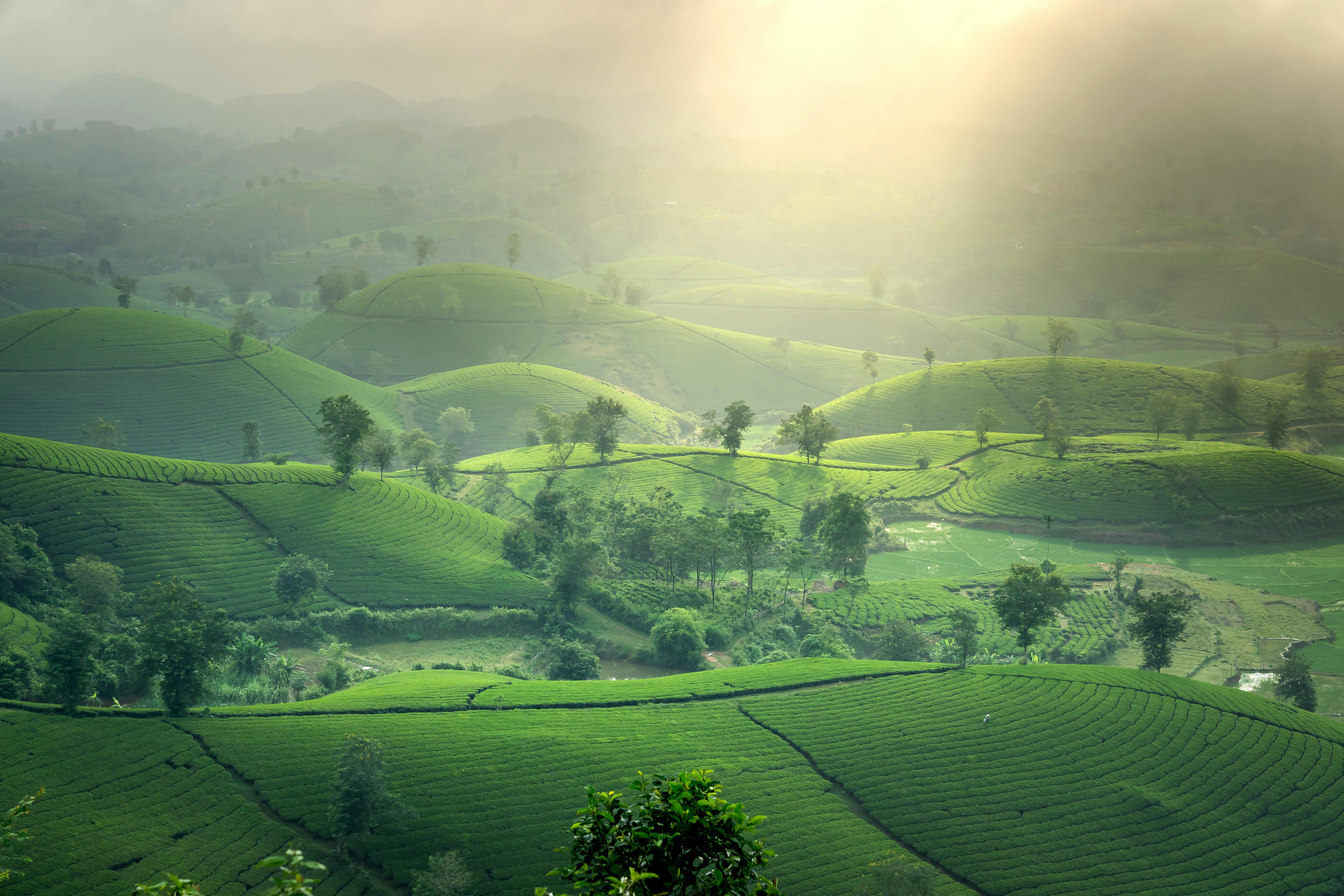
Jorhat is often called the "Tea Capital of the World," and it's easy to see why. The town is surrounded by tea estates, and the smell of fresh tea leaves hangs in the air. Major estates like Tocklai Tea Research Institute (the world's oldest and largest tea research station) are based here.
Many estates offer guided tours where you can walk through the gardens, watch the plucking process, and learn about tea processing, from withering and rolling to oxidation and drying. Some even let you stay on the estate in colonial-era bungalows.
Dibrugarh: Where the Best Assam Tea Grows
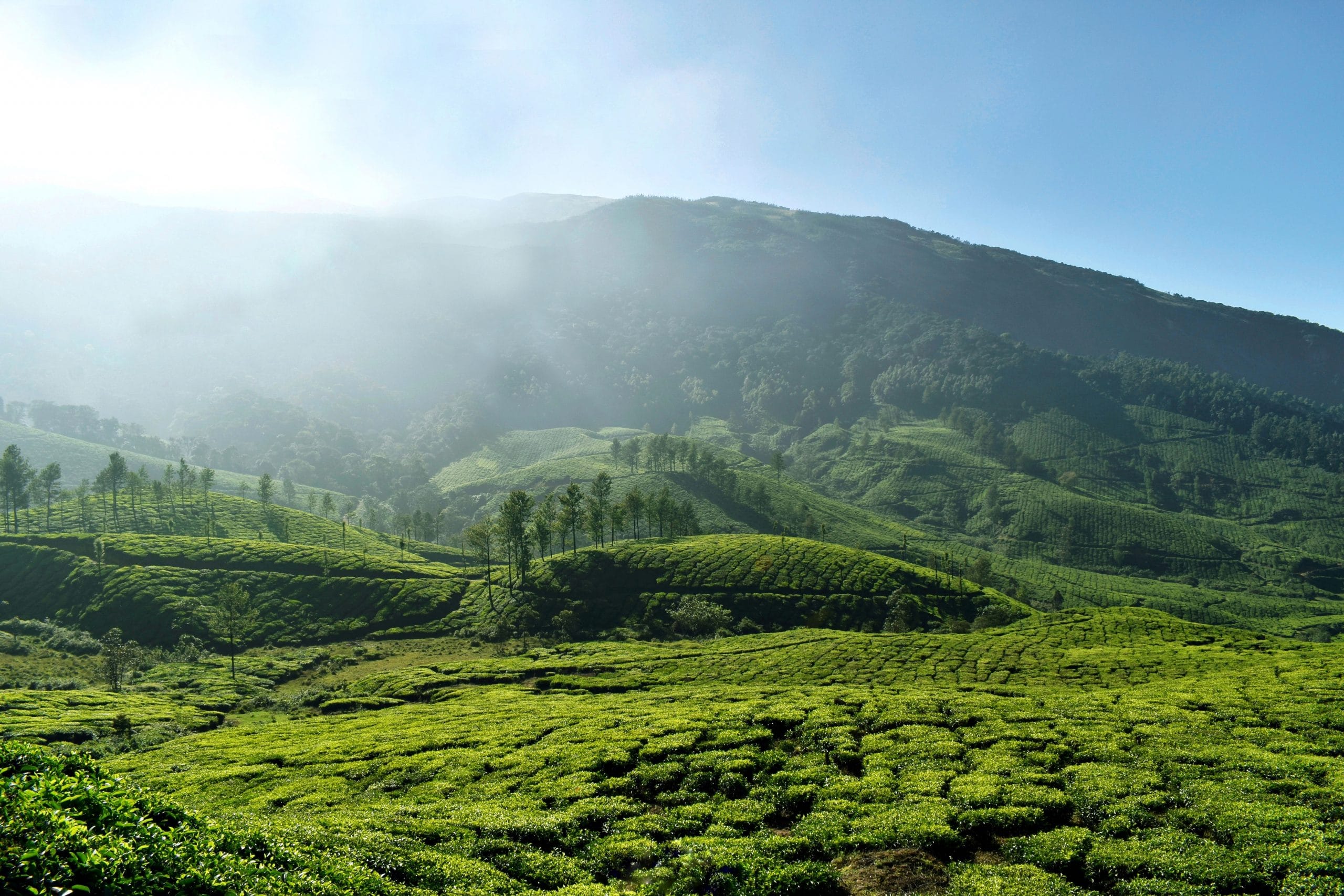
Dibrugarh is located in Upper Assam and is home to some of the finest tea gardens in the state. The estates here produce high-quality orthodox tea, which is hand-rolled and carefully processed. If you're a tea connoisseur, this is where you want to be.
The Brahmaputra River flows nearby, adding to the region's beauty. Many estates offer tea-tasting sessions where you can sample different grades and learn to identify the subtle notes: malty, brisk, full-bodied, that define Assam tea.
Kaziranga and Beyond
While Kaziranga is famous for its one-horned rhinos, the region is also dotted with tea estates. Combining a wildlife safari with a tea plantation visit makes for an incredibly unique experience. You can spend the morning tracking rhinos and the afternoon sipping fresh-brewed chai surrounded by tea bushes.
Also Read: How To Make Cafe-Style Hot Chocolate At Home: Complete Recipe & Pro Tips
Tea Experiences You Can't Miss
If you're visiting Assam, here are some tea experiences you absolutely must try:
Stay in a Tea Garden Bungalow

Several estates offer heritage stays in colonial-era bungalows. These aren't just accommodations—they're time machines. Think wooden floors, vintage furniture, and endless views of tea gardens. Wake up to the sight of workers plucking leaves, enjoy freshly brewed tea on the veranda, and soak in the slow, peaceful rhythm of plantation life.
Attend a Tea Tasting Session
Many estates offer professional tea-tasting sessions where you learn to identify flavours, assess quality, and understand the difference between CTC (Crush, Tear, Curl) and orthodox tea. It's like wine tasting but better because it's chai.
Walk Through the Gardens at Dawn
Early morning is the best time to visit tea estates. The air is cool, the light is soft, and the workers are just beginning their day. Walking through the rows of tea bushes as the sun rises is incredibly calming.
Buy Fresh Tea Directly from the Estate
Skip the packaged tea and buy directly from the estate. Many places sell freshly processed tea at a fraction of retail prices. You can choose from different grades, flushes, and processing styles.
Where To Buy: Assamese Tea Markets

Now, let's talk shopping. Because what's the point of visiting the chai capital if you don't bring back enough tea to last till your next visit?
Fancy Bazaar, Guwahati
Fancy Bazaar is Guwahati's oldest and busiest market, absolutely packed with tea shops. This is where locals buy their tea, which means you're getting the real deal at honest prices. The vibe here is pure organised chaos—vendors calling out, the smell of spices mixing with tea, people bargaining. Don't be shy about asking for samples. Most shopkeepers will happily brew you a cup before you buy. Look for shops selling loose tea by weight rather than pre-packaged boxes—fresher tea, better prices.
Paltan Bazaar, Guwahati
Right next door, Paltan Bazaar offers a slightly more organised shopping experience. Several established tea dealers stock products directly from estates. The shopkeepers are knowledgeable and can explain the difference between first flush (lighter, more delicate) and second flush (classic malty Assam flavour). If you've visited a particular estate, chances are you'll find their tea here.
Jorhat and Dibrugarh Markets
If you're in tea country, the local markets in Jorhat and Dibrugarh are gold mines. Since they're surrounded by estates, the tea is incredibly fresh, sometimes processed just days before. Prices are often lower than in Guwahati because you're closer to the source. Simple shops run by families who've been in the business for generations offer the best deals.
Tea Estate Shops
This is hands-down the best way to buy tea in Assam. Many estates have retail shops on-site selling directly to visitors. You're getting it straight from the source at unbeatable prices. Estates like those in Jorhat and Dibrugarh often offer vacuum-sealed packaging for travel. No middlemen, no mislabeling, just pure, estate-grown Assam tea.
Smart Shopping Tips
Check the leaves; they should be whole or uniform, not dusty. Smell it, fresh Assam tea has a strong, malty aroma. Ask about harvest dates (fresher is better). Buy loose tea whenever possible. A kilo of decent CTC tea costs ₹300-600, while premium orthodox goes for ₹800-1500. For personal use, 500g to 1kg is plenty. Buying for family? Get 2-3 kg. Many shops offer courier services if you're worried about luggage weight.
Also Read: 5 Simple Ways To Make Your Saag Taste Better
Why You Should Visit Assam
Assam isn't just a place, it's an experience. It's where India's chai story lives and breathes. It's where you can walk through the very gardens that supply your morning cup. It's where tea isn't just agriculture: it's identity, history, and culture rolled into one.
Whether you're a chai fanatic, a nature lover, or someone looking for an offbeat travel destination, Assam delivers. The tea gardens are stunning. The people are warm. The culture is rich. And the chai? Well, you already know it's the best.
So if you've ever sat with a cup of chai and wondered where it all began, now you know. And more importantly, now you know where to go. Pack your bags, book those tickets, and get ready to see the chai capital of India in all its glory. Trust me, once you've had chai in Assam, every other cup will feel like a compromise.