


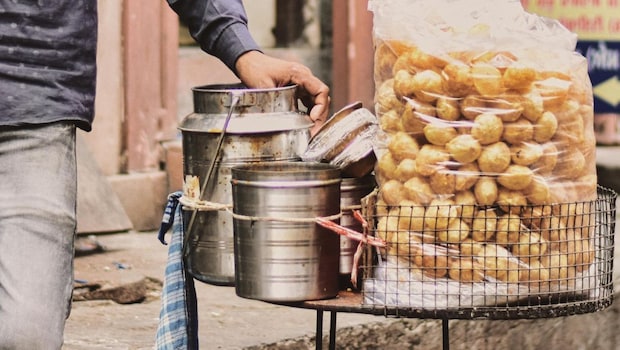
A plate of golgappas (pani puri) is usually a quick, happy treat. But in one village in Jharkhand, it turned into a serious health emergency. In Leda Bajto village in Giridih district, a street vendor came by on Saturday evening selling golgappa (pani puri). Many villagers, including children, ate from the cart, and by night, several had symptoms like vomiting and weakness. By Sunday morning, 18 people were admitted, and sadly, a 7-year-old child died. A simple street food turned fatal for many.
Doctor Explains What Led To Jharkhand's Food Poisoning Incident
Pani Puri might seem like a simple snack, but it involves multiple ingredients, and each can pose a risk if not handled properly. Dr Archana Batra explains it clearly, "Pani puri combines multiple high-risk elements: contaminated water, raw ingredients, and improper handling."
The pani is often the biggest problem. If the water isn't clean or filtered, it can carry harmful bacteria such as E. coli or Salmonella, she adds. In hot weather, these bacteria multiply very quickly. So even slightly unsafe water can become dangerous within a few hours.
Even the fillings of pani puri, boiled potatoes and chickpeas are safe when fresh, but not when left out. When these are kept at room temperature, especially in the heat, they become a breeding ground for bacteria. Hygiene at the stall also plays a huge role. Dr Archana points out, "Poor personal hygiene, unwashed hands, reused utensils, or exposure to flies and dust can introduce further contamination." If hands aren't clean or ingredients are left uncovered, germs can easily spread from one item to another.
Also Read: Can Eating Watermelon Kill People? Doctors Explain Mumbai Family Deaths
Sometimes, it's not just the bacteria that cause harm, but the toxins they leave behind. Dr Archana explains, "In severe cases, toxins produced by bacteria (rather than the bacteria themselves) can lead to rapid dehydration, organ stress, and even fatal outcomes if not treated promptly." This is why food poisoning can become serious very quickly. This becomes even worse during the summer when the heat speeds up bacterial growth. That's why cases of food poisoning are more common during this time.
How To Stay Safe While Eating Chaat
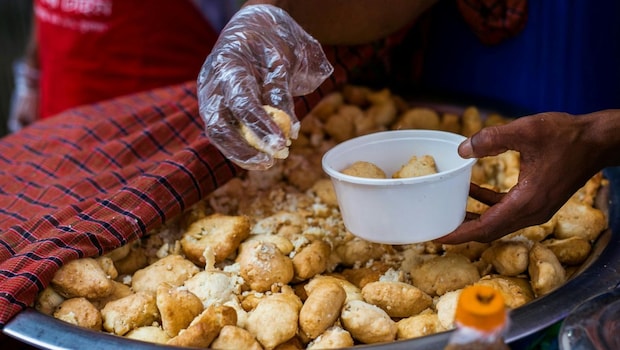
Photo: Pexels
According to Dr Archana, you don't have to stop eating your favourite street food, but being careful can make a big difference.
- While you may not be able to check the freshness of every ingredient, go for chaat that's at least assembled in front of you.
- Avoid water from unknown sources. If you're unsure while trying a new vendor, it's better not to risk it.
- Always look at how the vendor is handling food. Clean hands and covered ingredients are good signs.
- Chutneys and fillings sitting out for long periods are more likely to go bad and unsafe for consumption.
- High customer turnover usually means fresher food, so always opt for busy stalls.
- Toppings like onions and coriander should be properly washed. If not, they can carry germs.
Even everyday food can become unsafe if basic hygiene is not followed. Street food is a big part of our culture, but a little awareness goes a long way in staying safe.