




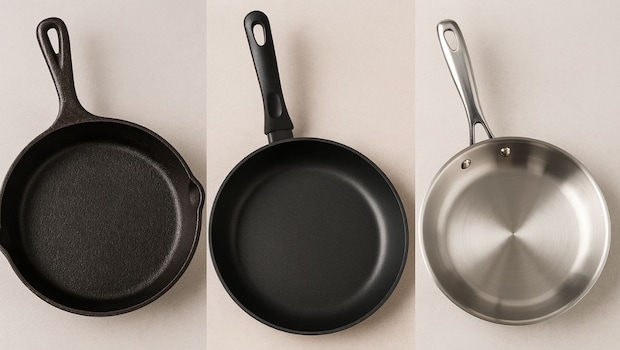
Choosing the right cookware is more than just a matter of convenience, it can influence the taste of your food and even your health. Walk into any kitchen store and you will find shelves lined with gleaming stainless-steel pans, sleek non-stick skillets and heavy cast iron pots. Each promises durability and performance, but which one truly supports a healthy lifestyle? The answer is not as simple as picking the most expensive option. Factors such as heat retention, chemical coatings and nutrient preservation all play a role in determining what ends up on your plate. Before you invest in your next pan, let us explore the pros and cons of these popular choices and uncover which cookware deserves a place in your kitchen.
Also Read: 5 Mistakes To Avoid While Buying Stainless Steel Cookware











Photo Credit: iStock
Which Is Best For Your Kitchen? A Detailed Comparison
1. Cast Iron: The Traditional Powerhouse
Advantages Of Using Cast Iron
- Adds Dietary Iron - Naturally transfers small amounts of iron to food, beneficial for those with iron deficiencies.
- Exceptional Heat Retention - Maintains and distributes heat evenly, perfect for slow cooking, frying, and searing.
- Durable & Long-Lasting - Built to last for decades with proper care; no chemical coatings required.
- Develops Natural Non-Stick Surface - With regular seasoning, it forms a smooth, non-stick layer that improves over time.
Disadvantages Of Using Cast Iron
- Heavy & Bulky - Can be cumbersome to lift and maneuver, especially for everyday quick cooking.
- Requires Seasoning & Maintenance - Needs regular oiling and proper cleaning to prevent rust and maintain performance.
- Reactive With Acidic Foods - Cooking tomato-based or citrus dishes can strip seasoning and impart a metallic taste.
- Longer Heating Time - Takes more time to heat up compared to stainless steel or non-stick pans.
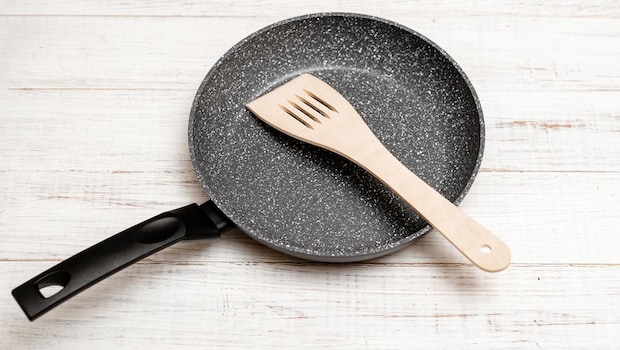
2. Non-Stick: Convenience With Caution
Advantages Of Using Non-Stick
- Effortless Cooking & Cleaning - Food releases easily from the surface, reducing the need for excess oil and making cleanup quick and simple.
- Ideal For Low-Fat Cooking - Requires minimal oil or butter, supporting healthier meal preparation.
- Lightweight & Easy To Handle - Perfect for everyday use, especially for those who prefer lighter cookware.
- Great For Delicate Foods - Excellent for cooking eggs, pancakes, and fish without tearing or sticking.
Disadvantages Of Using Non-Stick
- Prone To Scratches - Metal utensils can damage the coating; requires careful handling and use of silicone or wooden tools.
- Limited High-Heat Tolerance - Not suitable for searing or browning at very high temperatures, as it can degrade the coating.
- Shorter Lifespan - Coating wears out over time, meaning pans need replacement more frequently than stainless steel.
- Potential Health Concerns - Damaged or overheated coatings may release harmful particles, so proper care and temperature control are essential.

3. Stainless Steel: The Balanced Performer
Advantages Of Using Stainless Steel
- Non-Reactive Surface - Safe for cooking acidic foods like tomato-based dishes without altering taste or leaching chemicals.
- Durability - Highly resistant to rust, corrosion, and scratches, making it long-lasting and ideal for heavy use.
- Hygienic and Easy To Clean - Smooth surface prevents bacteria build-up and is dishwasher-friendly, ensuring effortless maintenance.
- Versatile - Suitable for sauteing, boiling, steaming, and even oven use, making it a favourite among professional chefs.
Disadvantages Of Using Stainless Steel
- Food Sticking - Requires proper preheating and oiling; otherwise, food tends to stick, which can be frustrating for beginners.
- Poor Heat Conductivity Alone - Often needs an aluminium or copper core for even heating, adding to the cost.
- Can Be Expensive - High-quality stainless steel cookware costs more than non-stick options, making it a bigger investment.
- Heavier Than Non-Stick - Slightly cumbersome for quick everyday cooking, especially for those who prefer lightweight pans.
Also Read: How To Use Glass Cookware Without Accidentally Breaking It
Ultimately, the healthiest cookware isn't about one-size-fits-all - it's about matching your cooking style with the right material. Whether you choose the nutrient-boosting cast iron, the convenience of non-stick, or the durability of stainless steel, proper care and mindful use will make any option a safe and smart choice for your kitchen.