



When winter arrives, jaggery becomes a kitchen essential. You can add it to your daily chai, mix it into til ladoos or just have a small piece of it post-meal. But as temperatures drop, jaggery tends to harden quickly. What should be a soft, melt-in-the-mouth block often turns tough, crumbly and difficult to use. The cold absorbs moisture from jaggery, making it lose its natural softness and flavour. However, there are hacks for everything. If you have ever struggled to cut through a rock-solid chunk, you are not alone. Thankfully, a few simple storage habits can keep jaggery soft, moist and easy to scoop through the winter months.
Also Read: How To Remove Sitaphal Seeds Easily? This Viral Hack Is The Answer
5 Health Benefits Of Jaggery In Winter
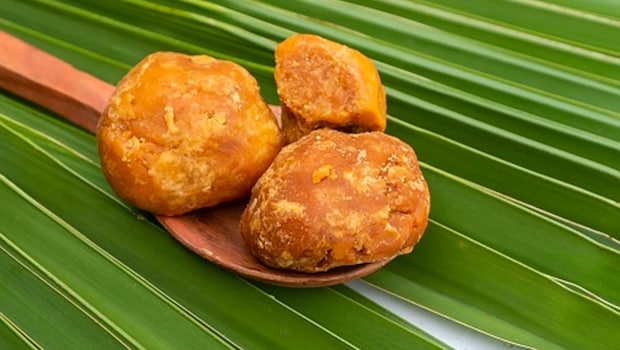
Before we jump to the tips, here's why jaggery is a must-have in winter:
1. Boosts Immunity
Jaggery is rich in antioxidants and minerals like zinc and selenium, which help strengthen the immune system. This is extremely important during cold and flu season.
2. Improves Digestion
Consuming a small piece of jaggery after meals aids digestion and prevents constipation, a common winter issue.
3. Natural Energy Source
Unlike refined sugar, jaggery provides slow-releasing energy, keeping you warm and energized throughout the day.
4. Detoxifies The Body
Jaggery helps cleanse the liver by flushing out toxins, which is especially beneficial when winter diets get heavier.
5. Relieves Respiratory Issues
Its warming properties and ability to clear mucus make jaggery a natural remedy for coughs and colds.
Why Does Jaggery Harden In Winter?
Jaggery naturally contains moisture from sugarcane or palm sap. During winter, the cold, dry air draws out this moisture, making the jaggery firm and brittle. Storing it in metal bowls without a lid or keeping it exposed to airflow worsens the problem. Humidity changes and frequent temperature fluctuations can also dry it out faster.
How To Keep Jaggery Soft And Moist In Winter
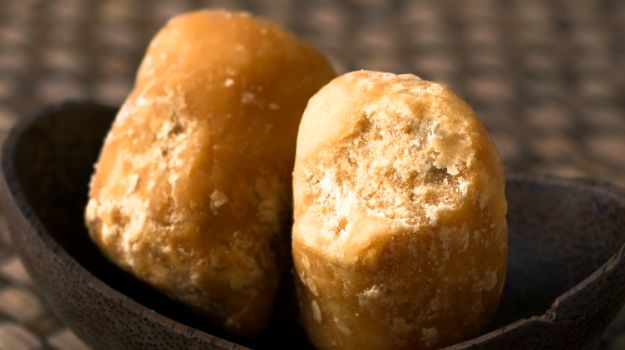
1. Store Jaggery In An Airtight Glass Jar
The simplest and most effective way to prevent jaggery from drying out is to store it in an airtight glass container. Glass does not react with the jaggery and helps maintain a stable temperature. The airtight seal prevents cold air from entering and stops moisture loss. Break large blocks into smaller chunks so they store evenly and stay softer for longer.
2. Add A Small Piece Of Bread To Retain Moisture
Just like bread helps soften brown sugar, it works amazingly for jaggery as well. Place a small piece of fresh bread inside the jar, it releases mild moisture into the container, keeping the jaggery soft without altering its taste. Replace the bread every 2–3 days during peak winter for best results.
3. Use a Clay Or Earthen Container
Clay pots are naturally porous, which means they help regulate humidity around the jaggery. This prevents sudden moisture loss and keeps the texture soft. Make sure the pot has a well-fitting lid. Many households also prefer clay for long-term storage because it adds a subtle earthy aroma and prevents overheating when the kitchen warms up during the day.
4. Keep Jaggery Away From Direct Heat And Sunlight
Many people unintentionally place jaggery near the stove or windowsill. But alternating between warmth and cold makes the jaggery dry and harden faster. Always store it in a cool, dark cabinet, ideally at the back of the shelf where temperature remains consistent. Stability is key to preventing crystallisation and moisture loss.
5. Wrap Jaggery In A Clean Muslin Cloth
This is an age-old home hack. Wrapping jaggery in a muslin or cheesecloth helps it breathe, while still protecting it from harsh winter dryness. The cloth traps a small amount of natural moisture around the jaggery, keeping it soft for much longer. Place the wrapped bundle inside a container or jar for added protection.
How To Soften Hardened Jaggery
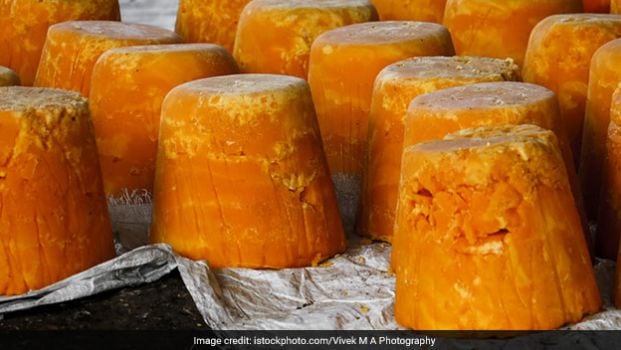
If your jaggery has already hardened, try these quick solutions:
1. Steam it for 1–2 minutes until slightly soft, then store properly.
2. Microwave for 8–10 seconds (only if using a microwave-safe bowl).
3. Place it in a warm room for a few hours before breaking it.
4. Grate the block and store in an airtight jar to prevent re-hardening.
Also Read: Struggling With Dosa Batter? Here's How To Ferment It Properly For Restaurant-Style Results
Mistakes To Avoid While Storing Jaggery | What To Avoid While Storing Jaggery

Photo: iStock
Here are some mistakes that can affect the shelf life of your jaggery:
1. Storing In Plastic Containers
Plastic traps moisture and can cause jaggery to become sticky or even ferment over time. Always opt for glass or earthen containers, which maintain a stable environment and prevent chemical reactions.
2. Leaving It Uncovered
Exposure to air accelerates moisture loss, making jaggery hard and brittle within days. Use airtight lids to lock in natural moisture and protect it from dust and insects.
3. Placing Near Heat Sources
Keeping jaggery near stoves or windows causes temperature fluctuations, leading to crystallization and dryness. Store it in a cool, dark cabinet where the temperature remains consistent.
4. Touching With Wet Hands
Water introduces bacteria and fungi, which can spoil jaggery quickly. Always use dry, clean hands or a spoon when handling jaggery to maintain hygiene and shelf life.
5. Storing Large Blocks Without Breaking
Big chunks harden faster because air circulates unevenly around them. Break jaggery into smaller pieces before storing to ensure uniform softness and easier usage.
So, follow these tips to keep your jaggery soft and easy to use in winter!