



Winter has a way of shifting food habits. There is more focus on immunity, digestion and foods that quietly work in the background. Amla, or Indian gooseberry, fits perfectly into this season. It is one of the most trusted winter superfoods in Indian homes, packed with Vitamin C, antioxidants and essential minerals. One amla a day is often seen as a simple health habit that pays off in the long run.
The challenge, however, is its sharp sour taste. While some people enjoy it raw, many find it too intense to eat daily. Steaming offers a practical middle path. It softens the fruit, reduces bitterness and keeps most of its nutrients intact. Steamed amla is easier to digest, easier to eat regularly and far more flexible in everyday recipes. But the method matters. Here is how to do it right.
Also Read: Raw Amla vs Steamed Amla: Which Is Better For Digestion, Immunity And Weight Loss

Correct Method to Steam Amla at Home
Steaming amla properly ensures nutrient retention while making it easier on the stomach.
- Wash the amla thoroughly to remove surface impurities.
- Lightly slit each amla or prick it with a fork to allow heat to enter evenly.
- Place a steamer basket in a pot with a small amount of water. The water should not touch the fruit.
- Add the amlas to the basket and cover with a lid.
- Steam on medium heat for 8 to 10 minutes until the fruit softens and the segments loosen.
- Allow it to cool before consuming or using in dishes.
Once steamed, amla becomes softer, less sharp in taste and easier to include in daily meals.
Why Steamed Amla Works Better for Daily Consumption
Steaming changes how the body responds to amla without stripping away its health value. This is why it suits regular intake:
- Vitamin C remains largely intact
- Bitterness reduces naturally
- Digestion becomes easier
- The fruit becomes suitable for more recipes
- It causes less gastric discomfort for sensitive stomachs
Health Benefits of Steamed Amla
Once digestion improves and daily intake becomes easier, the health benefits become more consistent.
Boosts Immunity
Amla is one of the richest natural sources of Vitamin C. Steamed amla supports immune defence, helps the body fight infections and supports recovery during seasonal illnesses.
Improves Digestion
Steamed amla helps regulate acidity, supports bowel movement and improves nutrient absorption without being harsh on the stomach.
Supports Hair and Skin Health
Its antioxidants help slow visible ageing, support collagen production, reduce hair fall and strengthen hair roots with regular intake.
Enhances Heart Health
Chromium and antioxidants in amla help manage cholesterol levels, improve blood circulation and reduce inflammation.
Helps in Blood Sugar Regulation
Amla supports pancreatic function and helps stabilise blood sugar fluctuations when eaten regularly in moderation.
Also Read: Orange Or Amla: Which Fruit Is Better For Your Weight-Loss Diet?
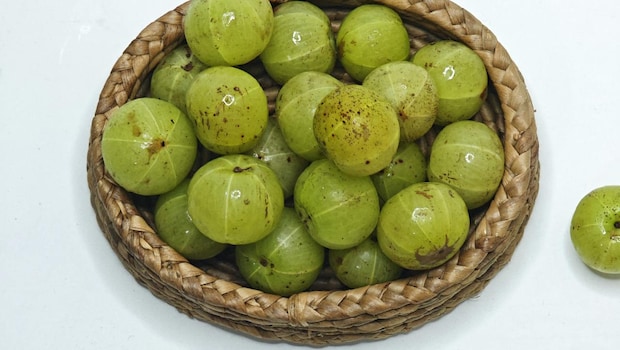
Photo Credit: Pexels
5 Easy Ways to Add Steamed Amla to Your Diet
Once steamed, amla becomes far easier to include in everyday food without forcing the habit.
- Eat it plain with salt and black pepper for digestion
- Blend it into smoothies with banana, apple or spinach
- Mix crushed amla with raw honey for immunity support
- Add it to salads, sprouts or grain bowls
- Turn it into chutney with coriander, mint, green chillies and lemon
This flexibility is what makes steamed amla a long-term dietary addition rather than a short-lived health phase.
Best Time to Eat Amla
| Time of Day | Why It Works |
|---|---|
| Morning on empty stomach | Best for digestion, immunity and skin health |
| Mid-morning | Helps maintain steady energy levels |
| Late at night | Best avoided due to acidity risk |
The Bottom Line
Steamed amla offers the same nutritional strength as raw amla with better tolerance for daily use. It fits into modern eating habits without demanding drastic food changes. With the right method and timing, it becomes one of the simplest winter health habits to maintain.