





There was a time when rotis puffed up on the tawa without coaxing. Older cooks still talk about it, usually while frowning at a packet of branded atta. Many households have tried to fix the problem in a modern way, switching to organic, paying the premium, and trusting the stamp on the packet. However, the rotis remain stubborn. The reason is simple. Organic only tells half the story. The wheat may be grown without chemicals, but the flour is still milled in bulk, packed months in advance, and left to sit in godowns and trucks before it ever meets water. In those months, the natural oils dry out, the aroma fades, and much of the nutrition quietly slips away. What the Indian kitchen is missing is not a better label. It is fresher food. And that simple realisation is slowly changing how India buys its daily staples.
The Blind Spot In The Organic Conversation
Organic farming addresses what happens on the field, and that matters. But most of the nutritional damage happens after harvest, and flour is not alone in suffering it. Refined and solvent-extracted oils are stripped of much of their character long before the bottle is sealed. Pre-ground spices surrender their volatile oils, the very compounds that give them flavour and medicinal value, while waiting on a shelf. A family may pay a premium for organic produce and still consume staples that are nutritionally exhausted. While the certificate says organic, the calendar says stale.
Why Freshness Is The Harder, Better Promise
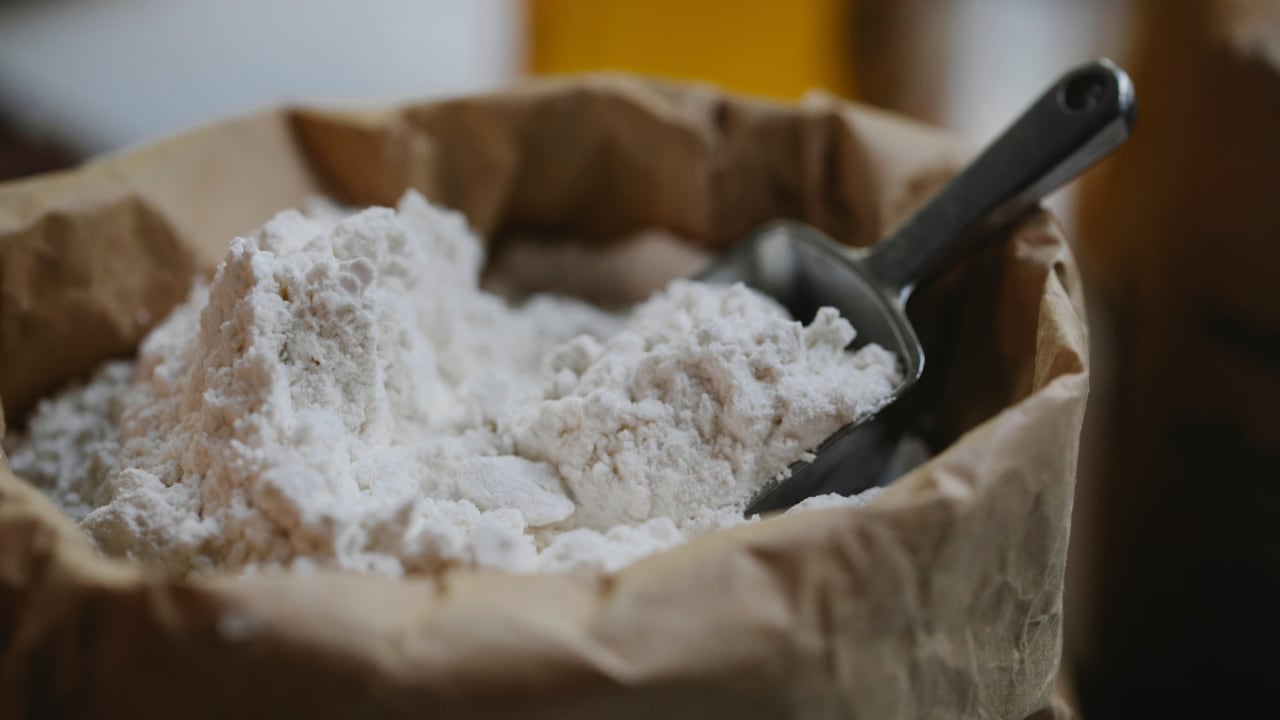
Photo: Canva
Freshness is a more demanding standard than organic because it cannot be printed on a label and forgotten. It has to be delivered continuously, order after order. The demand is unmistakable: a recent report suggests that 78 per cent of Indian consumers plan to increase their intake of fresh produce over the next six months, a signal that nutrition, not just convenience, is now steering the trolley. This is why a new category of food ventures in India is rebuilding the staples supply chain around one principle: process only when the customer asks.
Also Read: Dietician Says This Morning Shot Helped Her Lose 7 Kg In 21 Days. What's In It?
Consider what this approach looks like in practice. A handful of fresh staple startups in India have custom-built stone mills that run at a leisurely 50 RPM and grind wheat without compromising the flavour, texture or nutrients that industrial operations typically sacrifice for speed. In addition, unlike a packaged staple that has been sitting in storage for months, the flour is milled only after an order is placed and reaches the customer in no time. The same philosophy extends to wood-pressed oils, freshly ground spices and other kitchen essentials; everything is kept as unprocessed as possible.
Then there is the matter of trust. Some of these ventures have opened experiential stores where customers can stand and watch their flour being milled in front of them. In a category where consumers have historically had zero visibility into processing, storage or handling, the ability to witness production is a radical act of transparency. No certificate, however credible, can replicate what this does for the customer: turn freshness from a claim on the pack into something experienced in person.
Crucially, this model does not ask consumers to sacrifice convenience. An estimated 67 per cent of startups have embraced omnichannel models, recognising that the modern consumer journey toggles between a delivery app and a store visit, often for the same purchase. Orders placed digitally are milled, pressed or ground on demand and delivered quickly, which means the freshly prepared product often reaches the kitchen faster than a packaged equivalent would leave a supermarket queue.
A Return, Not A Departure
The irony is that none of this is new. Indian grandmothers routinely sent wheat to the neighbourhood chakki and bought oil from the local ghani. Freshness was the default, not a differentiator. What changed was the rise of hyper-convenient grocery formats that traded transparency for speed, placing an ever-longer supply chain between the mill and the meal.
The fresh staples movement is essentially old wisdom re-engineered for modern life: traditional processing techniques are married to technology-enabled ordering and rapid delivery, producing food the way it was always meant to be made, just in time to be eaten.
Also Read: Gwyneth Paltrow Shares Her One-Pan Breakfast With Eggs And Greens
The Road Ahead
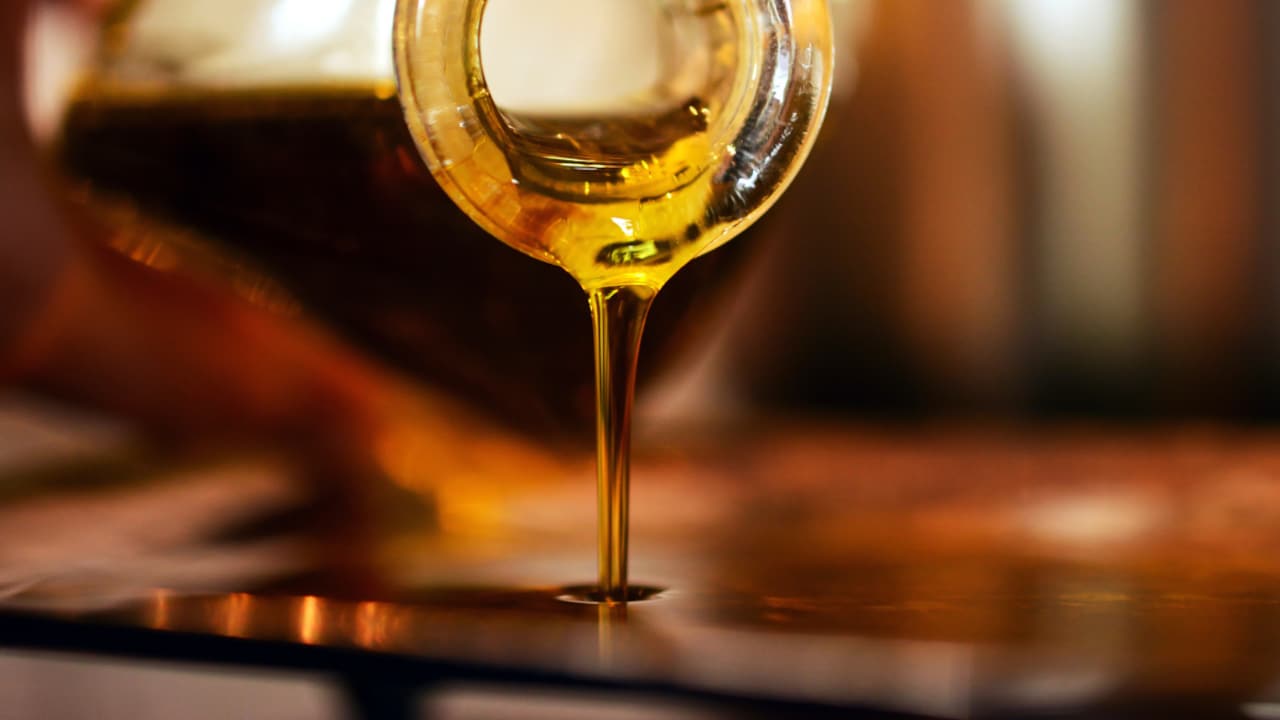
Photo: Canva
India's health-conscious urban consumer is already voting with their wallet. Households in the NCR and other metros are showing a clear willingness to pay more for staples they can trace, watch and trust. Investors, too, are backing ventures built on on-demand processing and micro-milling infrastructure, signalling confidence that freshness is not a niche but the next mainstream trend.
In the end, the revolution will not be announced on packaging. It will show up quietly, in flour that still smells of the mill, in oil that carries the scent of the press, and in spices that sting the air when the jar opens. Organic changed what India asks of the farm. Fresh is changing what it expects from the kitchen shelf. And the kitchen, as always, will have the final word.
About the Author: Yatish Talvadia is the Founder & Chief Experience Officer of Anmasa