




Water is essential for survival. However, drinking unsafe water can lead to diseases such as cholera, diarrhoea, dysentery, hepatitis A, typhoid and polio.
In India, drinking water directly from the tap is generally not considered safe, unlike in countries such as Iceland, Norway, Switzerland and Japan, which are known for having some of the safest tap water supplies.
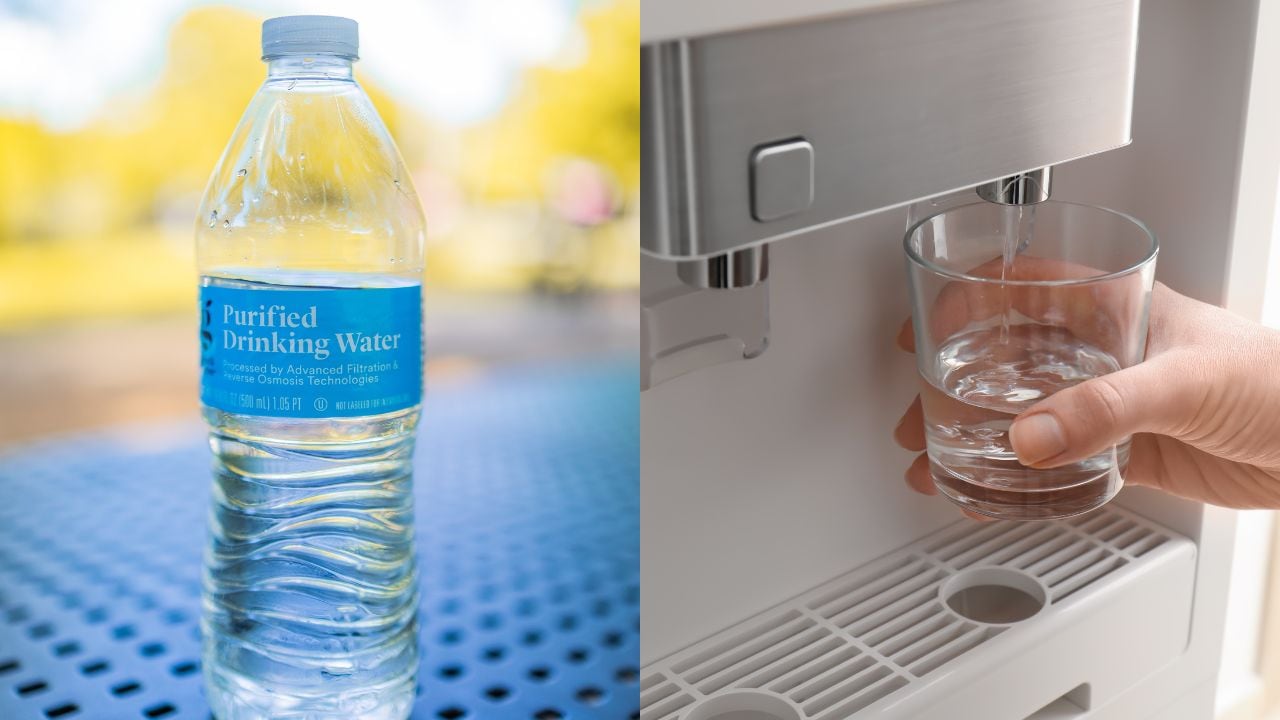
Therefore, households either install an RO water purifier at home or rely on packaged mineral water. But which of the two is better? We asked experts.
What Is Better For Digestive Health? Hepatologist And Therapeutic Endoscopist Answers
"Both packaged drinking water and RO-purified water can be safe for consumption, provided they meet prescribed quality standards and are stored and handled properly," says Dr Abhishek Deepak, Director - Hepatologist & Therapeutic Endoscopist, Institute of Gastro Sciences, ShardaCare - Healthcity. "Their safety largely depends on the quality of the source water, the purification process, and regular maintenance."
"From a digestive health perspective, microbiologically safe water is essential, as contaminated water can introduce harmful microorganisms and increase the risk of diarrhoea and gastrointestinal infections," he adds.
Level Of Minerals: RO Purifiers Vs Packaged Water
"RO purifiers can effectively remove several dissolved impurities, including certain heavy metals, but may also reduce the levels of naturally occurring minerals," continues Dr Abhishek Deepak.
He adds, "Packaged drinking water, meanwhile, must comply with applicable quality regulations, making it important for consumers to choose products from reliable, licensed manufacturers."
Which Is Better For Children? Paediatrician Weighs In
Dr Sushil Singla, Director - Paediatrics, Sarvodaya Hospital, Sector 8, Faridabad, says, "Both packaged mineral water and RO-purified water can be safe for children, provided they meet prescribed drinking water quality standards. The choice should depend on water quality, safety, storage, and the child's nutritional needs rather than the source alone."
"Not Every Bottled Water Product Is Mineral Water"
Packaged mineral water undergoes quality checks and contains naturally occurring minerals such as calcium and magnesium, which contribute to its mineral content, Dr Sushil Singla acknowledges. However, he cautions: "Parents should not assume that every bottled water product is mineral water."
"Packaged drinking water and natural mineral water are different categories. Parents should check the label, ensure the seal is intact, and avoid storing bottles in direct sunlight or excessive heat," the paediatrician adds.
Tips For Managing RO Water Purifiers At Home
RO-purified water effectively removes several dissolved impurities and contaminants. However, depending on the system, it can also reduce naturally occurring minerals, Dr Singla notes.
Sharing RO purifier maintenance tips for parents, he adds, "Parents should ensure that the RO purifier is regularly serviced, its filters are replaced on time, and the source water is tested periodically. If the water has very low mineral content, remineralisation may be considered based on water quality assessment."
"For children, adequate hydration and microbiologically safe drinking water are far more important than whether the water comes from a bottle or an RO purifier. A balanced diet generally provides the minerals children need for healthy growth and development. Parents should prioritise safe, clean and properly stored drinking water rather than spending extra on bottled water or assuming that RO water is automatically healthier," he signs off.
READ | From Italy To India, How Bisleri Became India's Packaged Water Giant
So, What Should You Choose?
Prachi Mandholia, a Mumbai-based clinical nutritionist, explains that for everyday consumption, a properly maintained home purifier is a practical option. "However, RO is not necessary for every household. If the municipal water supply is already safe and has acceptable TDS levels, a simpler filtration system may be sufficient."
When buying packaged water, she recommends "always checking the seal, manufacturing date and FSSAI licence details".
The nutritionist notes, "My recommendation: Don't judge water by its brand or packaging. Judge it by its quality and safety. Ultimately, clean, microbiologically safe drinking water with an appropriate mineral balance is what matters most."
About Jigyasa KakwaniJigyasa finds her solace through writing, a medium she is exploring to make the world more informed and curious with every story published. She is always up for exploring new cuisines, but her heart comes back to the comforting ghar-ka-khana.