

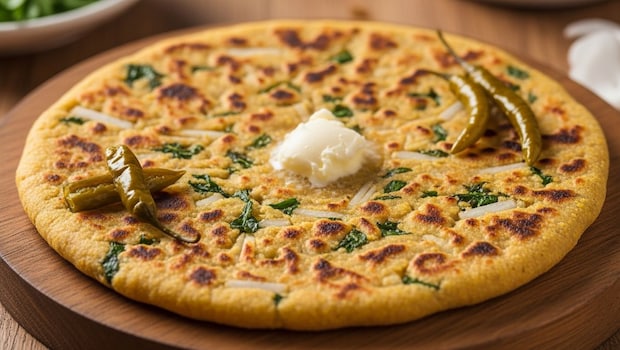
Makki methi mooli paratha is a wholesome Indian flatbread that brings together taste, nutrition, and tradition in the most comforting way. Made with maize flour, fresh fenugreek leaves, and grated radish, it is especially popular in winter when these ingredients are at their freshest.
Unlike regular wheat parathas, this one has a rustic texture and a naturally sweet, earthy flavour. It is filling, rich in fibre, and packed with vitamins and minerals - making it a nourishing choice for any meal. When made well, the paratha turns soft on the inside, lightly crisp on the outside, and pairs beautifully with curd, white butter, or homemade pickle.
What Makes Makki Methi Mooli Paratha Special
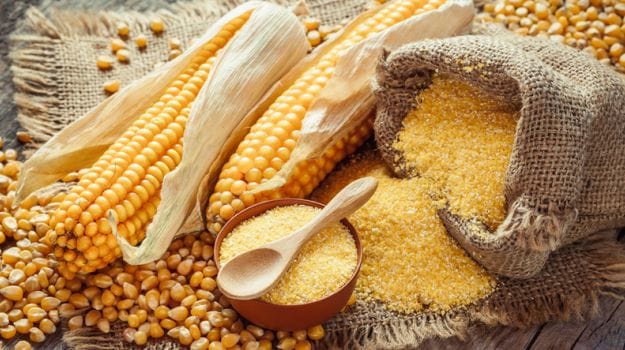
The magic of this paratha lies in its unique mix of ingredients. Makki ka atta gives it a grainy texture and gentle sweetness that no other flour can replicate. Fresh methi adds a light bitterness and a lovely aroma, while mooli brings moisture and a subtle sharpness that balances the flavours perfectly.
This paratha is naturally gluten-light, hearty, and deeply satisfying. It reflects traditional seasonal cooking - using winter produce to create dishes that warm and nourish the body. Its simplicity, rustic charm, and nutritional benefits make it truly special.
Also Read: Is Methi Thepla Good For Weight Loss? Here Are 5 Pro Tips To Make It Extra Nutritious
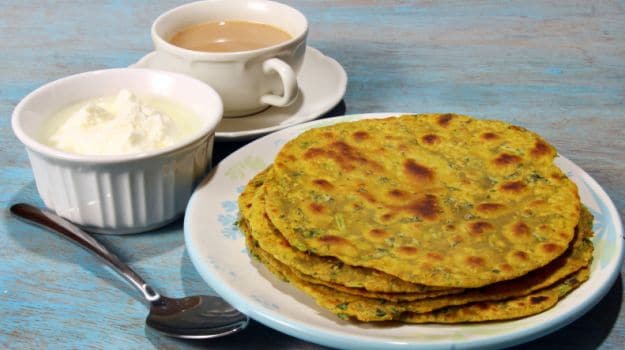
5 Tips to Make Soft, Flavourful Makki Methi Mooli Parathas
1. Choose Fresh and Tender Ingredients
Good ingredients make all the difference. Use bright green, tender methi leaves; older ones can taste bitter. Pick a firm, juicy radish and grate it finely. Make sure your makki atta is fresh, as stale maize can taste bitter and feel gritty. Fresh ingredients guarantee better flavour and texture.
2. Remove Excess Moisture from the Mooli
Radish naturally contains a lot of water. After grating, lightly squeeze out some moisture - not all of it. Removing just enough prevents the dough from turning sticky or difficult to roll, while still keeping the paratha soft.
3. Improve Binding with a Support Ingredient
Since makki atta lacks gluten, it does not bind as well as wheat flour. Adding a small amount of wheat flour or warm mashed potato helps hold the dough together. Use warm water to knead; this makes the dough softer and easier to handle.
Also Read: Lehsuni Methi Paneer: A Light, Garlic-Rich Paneer Dish For Easy Home Cooking
4. Roll with Care
Makki dough is delicate, so be gentle. Use a little oil or roll the dough between sheets of plastic rather than using dry flour. Press lightly from the centre outward. An even thickness ensures the paratha cooks evenly without cracking.
5. Cook on Medium Heat with Enough Fat
Cook the paratha on medium heat. High heat will burn the outside before the inside cooks. Use ghee or butter generously - makki parathas taste best when cooked with good fat. Cook until golden spots form on both sides, pressing gently for even cooking.
This winter, enjoy the warmth and goodness of soft, flavourful makki methi mooli parathas- a simple, seasonal delight that never disappoints.