



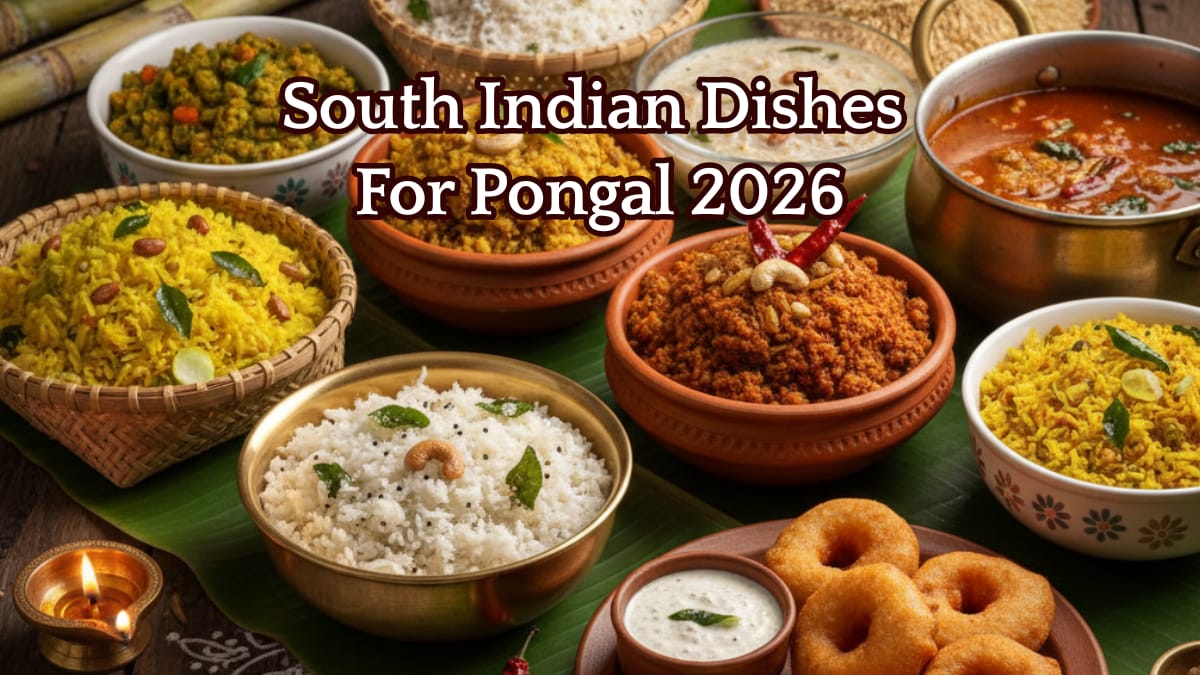
In January 2026, Pongal will be celebrated from January 14 to 17, and Thai Pongal (main day) shall be observed on January 15. Widely celebrated in Tamil Nadu and other parts of South India, Pongal marks the sun's northward journey and signals the end of the winter harvest season. It unfolds over four days, each reflecting gratitude: to nature, the sun, farm animals, and the land that sustains life. Homes are cleaned and decorated, rituals are performed at sunrise, and families come together to acknowledge both agricultural abundance and shared prosperity.
At the centre of these celebrations is food. Pongal is a festival that places everyday ingredients on a ceremonial pedestal, turning familiar meals into symbols of renewal, continuity, and collective memory.
Why Pongal Is Inseparable From Food
Pongal's identity is inseparable from the harvest, and the food cooked during the festival reflects this relationship clearly. Newly harvested rice forms the backbone of most dishes. It can be paired with moong dal, milk, jaggery, coconut, ghee, pepper, tamarind, etc. Many ingredients are drawn directly from the season's yield. These are not luxury items reserved for celebration alone; they are staples that continue to shape South Indian cooking throughout the year. Pongal as a festival, in many ways, sets the tone for how these ingredients will be used in everyday kitchens.
10 Traditional South Indian Dishes To Enjoy During Pongal

1. Ven Pongal
Ven Pongal is a soft, savoury preparation of rice and moong dal cooked until creamy and comforting. Tempered with black pepper, cumin, ginger, and generous ghee, it reflects the festival's emphasis on warmth and nourishment. Commonly eaten for breakfast on Thai Pongal, it is simple yet deeply satisfying. Served with chutney or sambar, it anchors the festive meal.

2. Sakkarai Pongal
Sakkarai Pongal is the symbolic heart of the festival, prepared as an offering before it is eaten. Rice and lentils are slow-cooked with jaggery, ghee, cardamom, and nuts, creating a rich but balanced sweetness. Traditionally cooked in a new pot until it overflows, it represents abundance and good fortune.
3. Puli Pongal
Puli Pongal is a tangy rice dish flavoured with tamarind and a bold tempering of mustard seeds, curry leaves, and dried red chillies. It reflects the everyday side of festive cooking. Its robust flavour makes it ideal for sharing. The dish also highlights how harvested rice is adapted into practical, flavour-forward meals.
4. Payasam
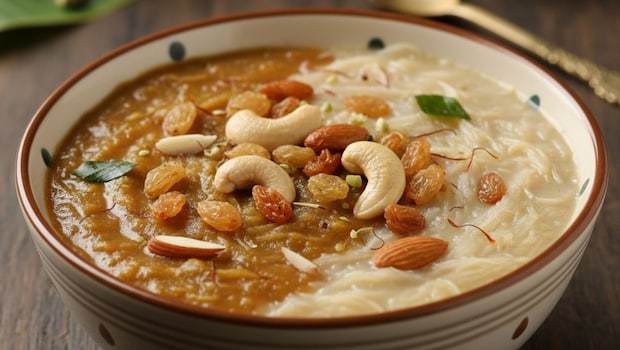
Payasam adds a gentle sweetness to the Pongal spread and is often served after the main meal. Made with milk or jaggery and ingredients like rice, lentils, or vermicelli, it reinforces the harvest theme through its base elements. The texture is slow and comforting rather than rich or heavy. It acts as a quiet, warming close to a festive meal. If you're not making it at home, you can order it online.
5. Pulihora
Pulihora, another tamarind-based rice dish, is known for its sharp, layered flavours. Prepared with cooked rice and a spiced tamarind paste, it is a mix of acidity with heat and nuttiness. Its ability to stay fresh for hours makes it a common choice during festive outings. Pulihora also reflects how harvest rice finds expression beyond ceremonial contexts.
6. Coconut Rice
Coconut rice combines two staple ingredients to create a satisfying delicacy that is loved by many. In this dish, cooked rice is mixed with grated coconut and lightly seasoned with mustard seeds, curry leaves, and green chillies. The result is mild, aromatic, and grounding. It often acts as a calming counterpoint to stronger flavours on the Pongal table.
7. Lemon Rice
Lemon rice brings brightness and freshness to festive meals. Turmeric gives it colour, while lemon juice adds a clean acidity that cuts through richer dishes. Peanuts and tempering spices add texture and depth. It is festive without being heavy, making it especially popular during family gatherings.
8. Pongal Kootu
Pongal kootu is a vegetable-and-lentil dish that reflects the season's produce. Cooked with minimal spice and finished with coconut, it is mild, hearty, and balanced. The dish complements rice-based preparations without competing for attention. It reinforces the festival's emphasis on wholesome cooking.
9. Medu Vada

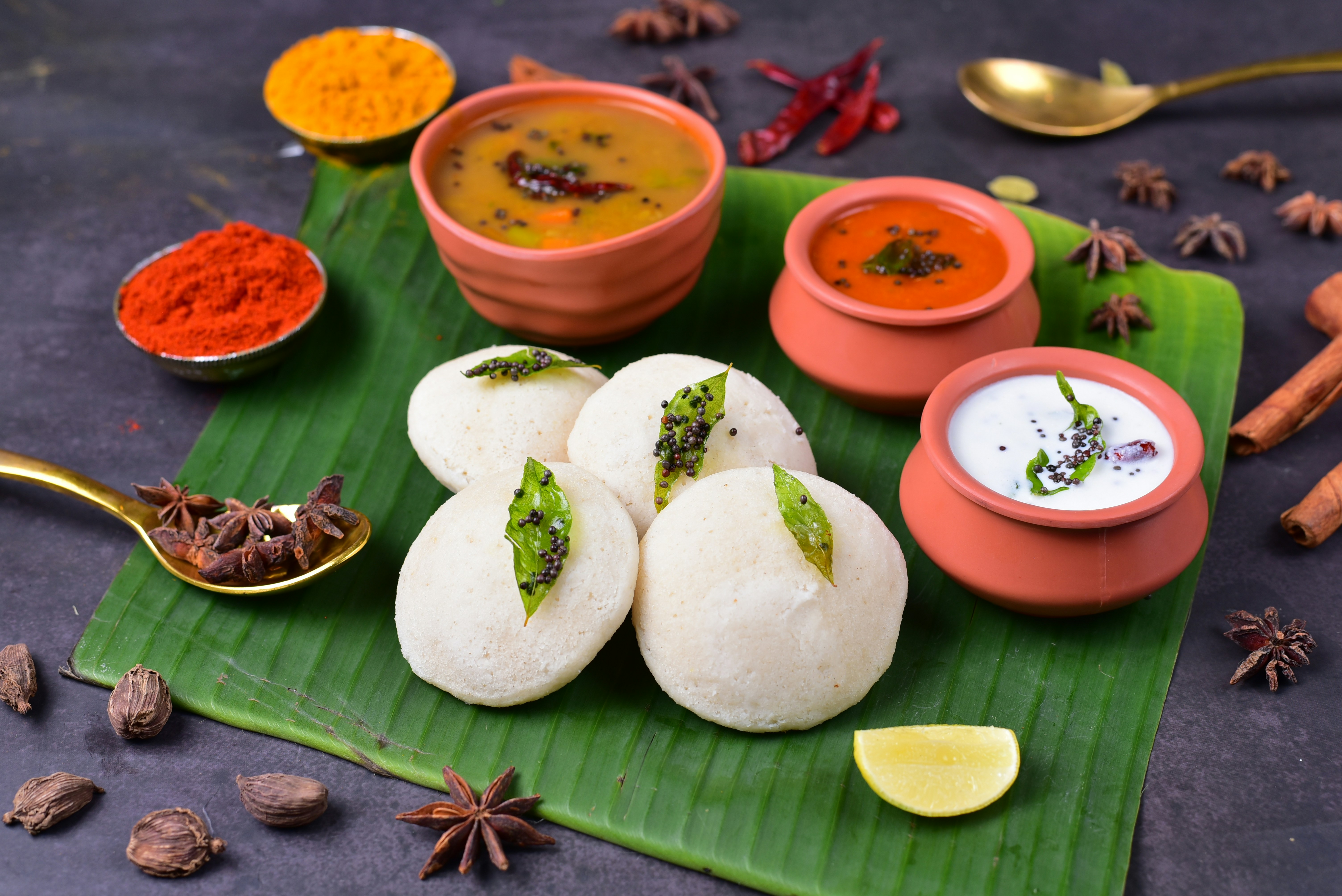
Medu vada introduces crispness to the Pongal spread. Made from urad dal batter and fried until golden, it is crunchy on the outside and soft inside. This delight is rarely eaten alone and is usually paired with chutney or sambar. Its presence adds contrast and familiarity to the festive meal. Get it via a food delivery app if you want it quickly.
10. Sambar
Sambar is the unifying element of a Pongal feast. Made with lentils, seasonal vegetables, and tamarind, it brings together multiple harvest ingredients in one pot. Its versatility allows it to accompany everything from pongal to vada. It is more than just a common side dish.
Pongal food is celebratory without being excessive, so you need to try it soon. Happy Pongal 2026!
Disclosure: This article may contain links to third-party websites or resources. However, this does not affect the integrity of the content, and all recommendations and views are based on our independent research and judgment.