









Most of us eat the same breakfast on rotation. Poha on Monday, eggs on Tuesday, maybe some toast if we're feeling lazy, and then we're back to poha again. The problem isn't discipline, it's options. If your morning meal isn't interesting, it's very easy to skip it or replace it with something that gives you a sugar crash by 10 AM. These savoury cottage cheese muffins solve that problem quite elegantly. They are high in protein, genuinely delicious, travel well, reheat in under a minute, and can be made in batches on Sunday for the whole week. Once you try them, they'll earn a permanent spot in your breakfast rotation.
Wait, Savoury Muffins?

Yes, and they make complete sense once you think about it. A muffin is essentially just a baked item in a cupped shape. The world has been making savoury muffins, think corn muffins, cheese muffins, and herb-spiked breads, for a very long time. A sweet muffin uses sugar and fruit; a savoury muffin uses vegetables, cheese, and spices. Same logic, completely different and arguably more satisfying result.
What makes cottage cheese the star ingredient here is not just its protein content, though that is genuinely impressive, but also what it does to the texture of a baked good. When cottage cheese is mixed into muffin batter and baked, the curds melt completely. You won't see or taste them as individual pieces. What you get instead is a muffin that is softer, moister, and fluffier than one made without it. If the texture of cottage cheese has always put you off, baking is actually the best way to work with it because the texture transforms entirely in the oven.
Also Read: How To Make Restaurant-Style Chicken Korma In Your Kitchen
A Quick Note On Cottage Cheese in India
Cottage cheese can be confusing in India due to the term “paneer.” Technically, they differ: paneer is firm, dry, and holds its shape when cooked, while Western cottage cheese is wetter, softer, with visible curds in a creamy base. It's the spreadable type, not for cubing in curries. Cottage cheese has about 98 calories and 11 grams of protein per 100 grams, whereas paneer has around 265 calories and 18 grams. For this recipe, use genuine cottage cheese, now widely available in Indian supermarkets. Brands like Mother Dairy and Amul offer it in flavoured yoghurts in small tubs. Amul, Mother Dairy, and Milky Mist versions are suitable. If cottage cheese is unavailable, hung curd (strained yoghurt or chakka) is the closest substitute, found in every Indian kitchen. It won't be identical but will suffice.
Why These Muffins Are Worth Your Time
The Protein: These muffins get protein from three different sources: cottage cheese, eggs, and cheese. A single muffin from a standard batch delivers approximately 10 to 14 grams of protein, enough to keep you full and energised well into the late morning. Most Indian breakfasts, while comforting, are carbohydrate-heavy and lower in protein. These muffins correct that balance without requiring you to think about it.
The Meal-Prep: Muffins are one of the most freezer-friendly foods that exist. Make a batch of twelve on Sunday evening; it takes about 40 minutes from start to finish, and you have breakfast sorted for the week. They keep in an airtight container in the refrigerator for up to five days, and in the freezer for up to three months. To reheat from the fridge, 30 seconds in the microwave is all you need.
The Flexibility: The base recipe is a starting point. Once you have it down, you can customise it with essentially any vegetable, spice combination, or cheese you like. The recipes further below will give you three variations tuned specifically to Indian flavour profiles.
The Base Recipe: Classic Savoury Cottage Cheese Muffins
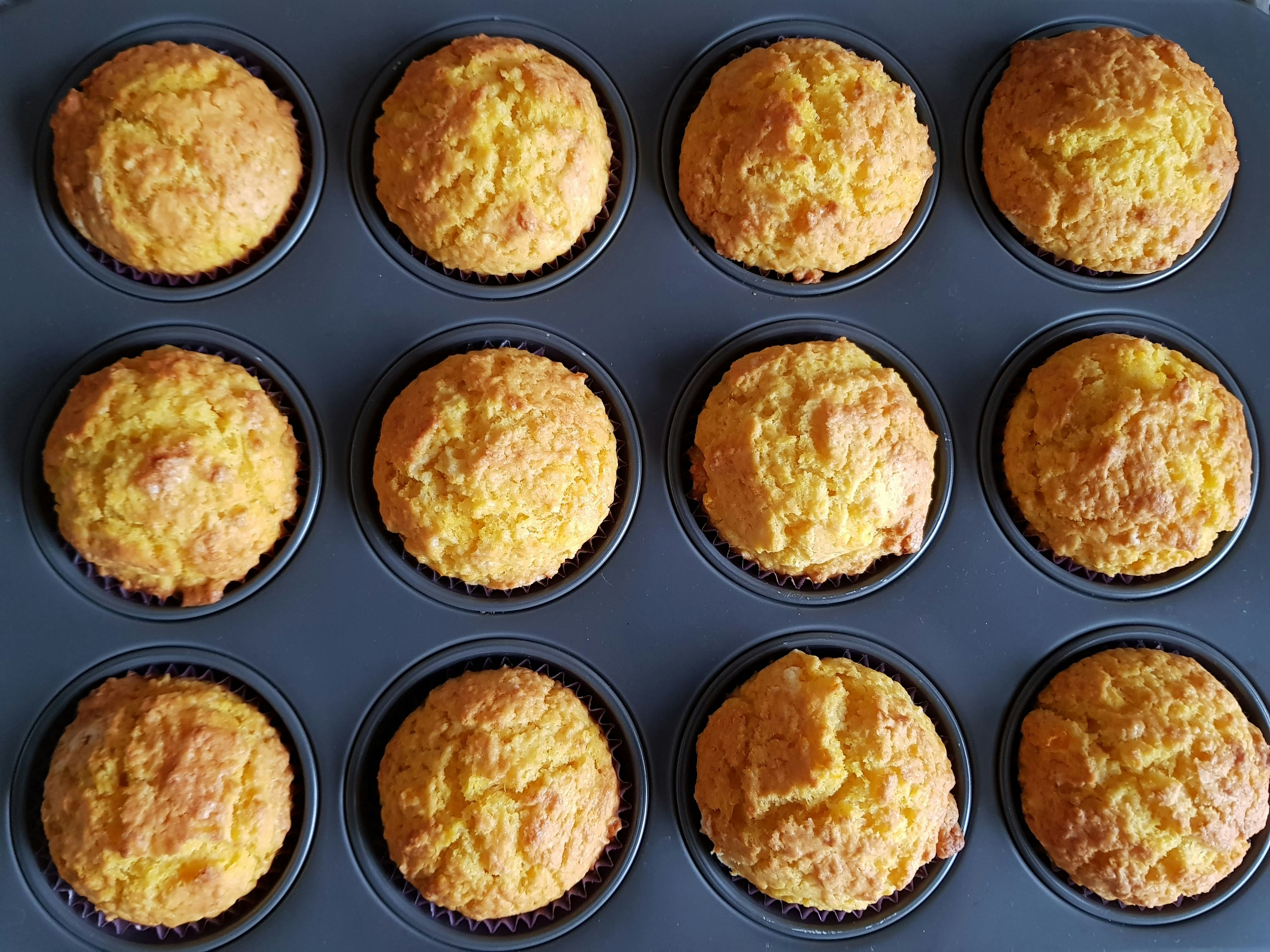
Makes 12 muffins. | Prep time: 15 minutes. | Bake time: 22 to 25 minutes.
Ingredients
Wet ingredients:
- 250g cottage cheese (about one standard small tub from Amul or Mother Dairy)
- 3 large eggs
- 60ml whole milk (or any milk you use)
- 2 tablespoons olive oil or any neutral oil (sunflower or refined groundnut oil both work)
- 1 teaspoon honey or a tiny pinch of sugar (optional, just to balance the salt)
Dry ingredients:
- 200g all-purpose flour (maida)
- 1.5 teaspoons baking powder
- Half a teaspoon of salt
- Quarter teaspoon black pepper, freshly ground
- Half a teaspoon dried oregano or mixed herbs (optional but recommended)
Fillings and toppings:
- 80g cheddar or any melting cheese, grated (processed cheese works fine if that's what you have)
- 100g finely chopped vegetables of your choice (see notes below)
- 2 spring onions, finely sliced, or a small handful of fresh coriander, roughly chopped
Method
Step 1: Preheat and prepare your tin. Set your oven to 200°C (or 180°C if using a fan oven). Grease a 12-cup muffin tin generously with butter or oil, or line it with paper muffin cases. If you go without liners, the cheese creates a gorgeous golden, slightly crispy crust on the edges that is honestly the best part of the whole muffin, so grease directly and skip the liners if you can.
Step 2: Prep your vegetables. Whatever vegetable you're using, chop it finely. This is important. Large chunks create uneven texture and can weigh the muffin down. If using spinach, squeeze out every bit of moisture after chopping; excess water makes muffins soggy. If using zucchini or lauki (bottle gourd), grate it and then wring it in a clean kitchen cloth to remove liquid. If using broccoli, chop into tiny florets and blanch briefly in hot water before using.
Step 3: Mix the wet ingredients. In a large mixing bowl, whisk together the cottage cheese, eggs, milk, oil, and honey or sugar until reasonably combined. Don't worry if the cottage cheese doesn't mix in perfectly smoothly; small white flecks in the batter are completely fine. They disappear during baking.
Step 4: Add the dry ingredients. Sift the flour, baking powder, salt, pepper, and dried herbs into the wet mixture. Fold gently with a spatula until just combined. This is critical: do not overmix. Overmixing develops the gluten in the flour and gives you tough, dense muffins. You want to fold just until no dry flour is visible, and then stop. A few lumps are completely fine.
Step 5: Fold in fillings. Add your chopped vegetables, most of the grated cheese (save a little for the top), and the spring onions or coriander. Fold in with three or four gentle strokes.
Step 6: Fill the tin. Divide the batter evenly among the 12 cups. Each cup should be about three-quarters full. Scatter the reserved grated cheese over the tops. If you want extra colour, add a light sprinkle of chilli flakes or smoked paprika on top of each muffin.
Step 7: Bake. Place in the preheated oven and bake for 22 to 25 minutes, until the tops are golden brown and a toothpick inserted in the centre comes out clean. The edges should look slightly darker, and the cheese on top should be bubbling and lightly charred in spots.
Step 8: Cool slightly before removing. Allow the muffins to sit in the tin for 5 minutes after removing from the oven. This helps them firm up and makes them much easier to remove without breaking. Then transfer to a wire rack. Eat warm, or cool completely before storing.
Also Read: How To Build Your First Home Bar (On A Budget)
Three Indian-Inspired Variations

1. Palak and Paneer Muffins
For saag lovers needing a quick breakfast, use 100g blanched, dry spinach, chopped. Replace mixed herbs with 0.5 tsp cumin, 0.25 tsp turmeric, and a pinch of garam masala. Add 50g crumbled paneer to the batter. Top with chaat masala. Pairs well with yoghurt.
2. Methi and Corn Muffins
Fresh methi (50g, finely chopped) and 80g sweet corn kernels (thawed, dried) enhance baked goods. Replace oregano with a pinch of hing and half a teaspoon of ajwain, which adds a thyme-like aroma. Top with grated cheese and sesame seeds before baking for a delightful twist.
3. Masala Capsicum and Cheese Muffins
This high-protein variation is crowd-pleasing. Sauté finely diced red or green capsicum with half a chopped green chilli in oil. Add coriander and red chilli powders to the dry ingredients. Mix processed cheese with crumbled feta for a sharp note. Top each muffin with a capsicum slice before baking.
Tips That Make All the Difference
Use room temperature ingredients: Cold eggs and cold milk straight from the fridge do not incorporate as well with the cottage cheese. Take your eggs and milk out 20 minutes before you start.
Don't skip squeezing the vegetables: Watery vegetables, spinach, zucchini, and lauki, will make your muffins wet and dense in the middle unless you remove the liquid first. Squeeze them in a kitchen cloth until no more moisture comes out.
Cool before storing: Storing warm muffins in an airtight container creates condensation inside the container, which makes them soggy. Let them cool completely, at least 30 minutes, before you put them away.
Freeze for longer storage: These freeze extremely well. Wrap each muffin individually in cling film or foil and place in a zip-lock bag. They last up to three months in the freezer. To reheat, unwrap and microwave for 60 to 90 seconds from frozen, or thaw overnight in the fridge and microwave for 30 seconds.
The cheese crust is the point: Do not use muffin liners if you can help it. When baked directly in a well-greased tin, the cheese on the outer edges of each muffin crisps up and caramelises into a golden crust. The edges are crispy and golden brown, while the centres stay soft and fluffy. It's the best version of these muffins by some distance.
What to Serve Alongside
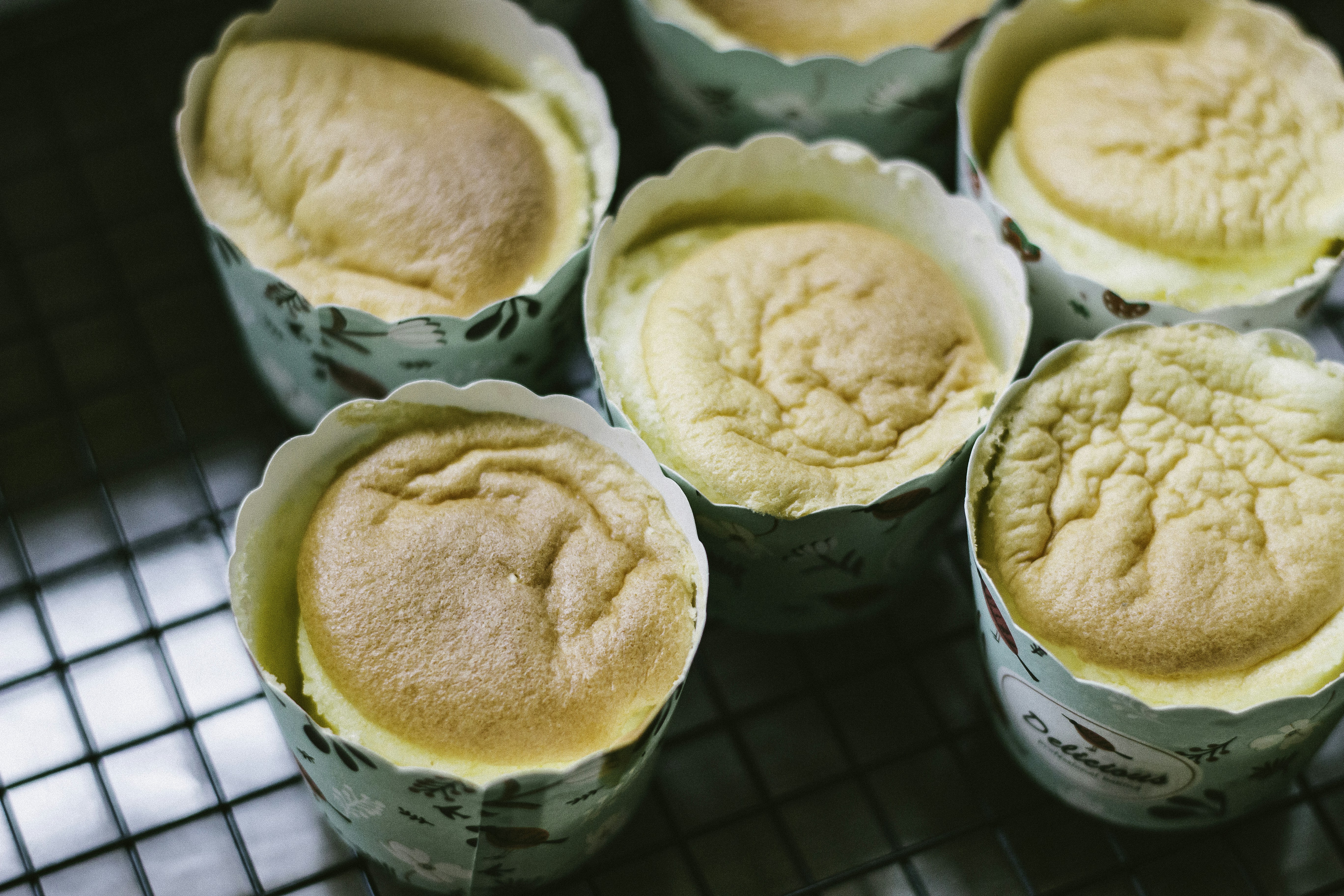
These muffins are satisfying on their own, but they pair well with a few simple things. A small bowl of hung curd or Greek yoghurt works as both a dip and a protein supplement. A cup of masala chai alongside a warm muffin is not a bad way to start a morning. For a more substantial breakfast, pair two muffins with a small fruit salad or a banana, and you have a very complete, balanced meal.
The Bigger Picture
Protein at breakfast is one of the most effective things you can do for your energy levels, concentration, and appetite through the rest of the day. The challenge in the Indian breakfast context is that our traditional options, idli, poha, upma, and paratha, are largely carbohydrate-based and lower in protein. These muffins are an easy, make-ahead way to shift that balance without giving up comfort food entirely. They're warm, flavoursome, familiar enough to feel like something you'd want to eat at 7 AM, and genuinely high in protein. That combination is harder to achieve than it sounds, and that's exactly what makes this recipe worth baking again and again.