


Cheese is everywhere in our daily lives, from melting into breakfast sandwiches, topping pizzas, or starring in late-night snacks. In Switzerland, it's next-level: folks devour over 22 kg per person yearly, making it a dietary staple and cultural obsession. This tiny nation earns its "Land of Cheese" crown with unmatched passion and variety.
When someone mentions "Swiss cheese," most people picture pale yellow slabs with holes. That's a sad misunderstanding of what Switzerland actually represents in the cheese world. Switzerland isn't just a country that makes cheese. It's a nation where cheese is cultural identity, economic backbone, and daily ritual. With nearly 500 varieties produced today, Switzerland has earned its title as the "Land of Cheese" not through marketing but through centuries of perfected craft. Evidence of Swiss cheesemaking dates back to 2500 BC when dairy farming was first introduced to the area. For four and a half millennia, Swiss farmers have been turning Alpine milk into gold. The rugged mountains that make most of Switzerland unsuitable for crops become perfect for dairy farming. And what do you do with all that milk in a pre-refrigeration world? You preserve it as cheese. This geographical necessity became cultural mastery, economic strength, and eventually, global dominance in dairy excellence.
Also Read: Silly Mistakes That Can Ruin Your Chaat
The History: From Celtic Ancestors to Global Export
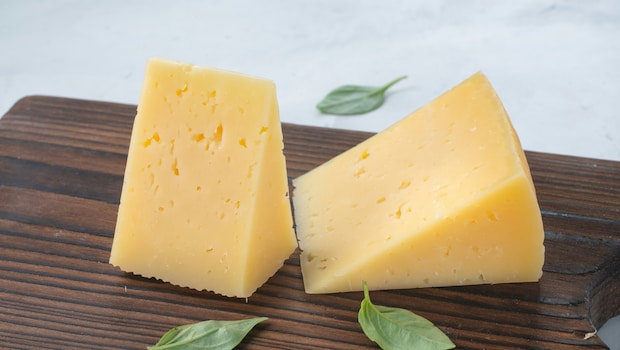
Sbrinz has been made in central Switzerland for more than two millennia, a descendant of cheeses made by Celtic ancestors since the 1st century. But Swiss cheese, as we know it, evolved through necessity and innovation. In the Middle Ages, Alpine cheesemaking was encouraged by local monasteries, which owned large tracts of Alpine land and took cheese as tithes. The Abbey of Saint Gall owned much of the Appenzell region from the 10th century.
Through the centuries, Swiss cheesemaking evolved from cottage cheese-like styles to the introduction of rennet in the 15th century, leading to the creation of many hard cheeses for which Switzerland is renowned. By the 16th century, Alpine cheeses became significant export products. The hard texture meant they survived long intercontinental sea voyages without spoiling.
From 1914 until 1999, the cheese industry was dominated by the Cheese Union, which controlled all aspects of production, marketing, and export. When the organisation disbanded, cheesemakers felt free to create new varieties. This liberation sparked an explosion of innovation while maintaining traditional quality.
The Culture: Why Cheese Matters in Switzerland
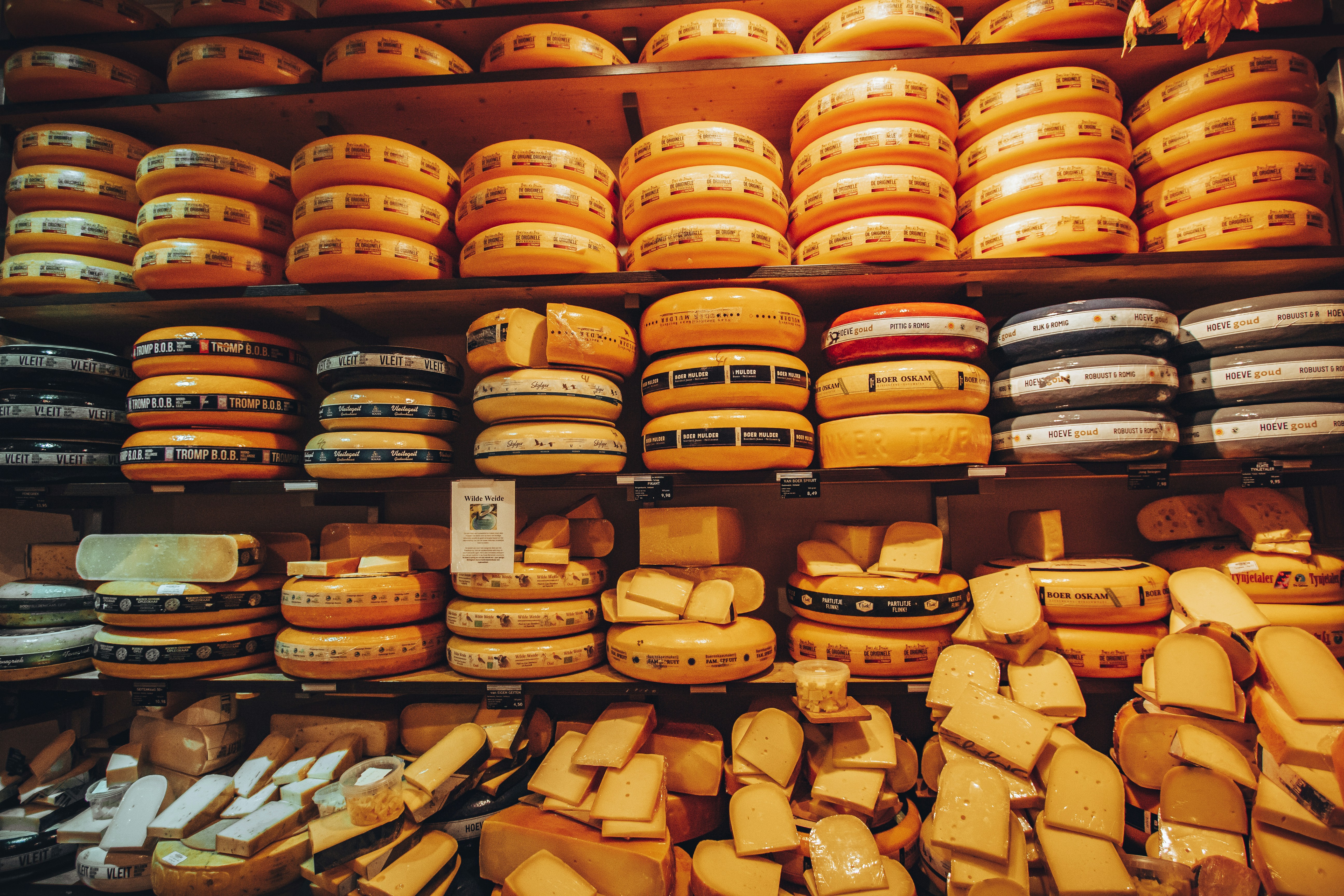
For Swiss people, cheese isn't just food. It's livelihood, tradition, and identity. The Alpine pasture season from May to October is documented as far back as Medieval times. In December 2023, UNESCO recognised this seasonal production as part of its Intangible Cultural Heritage list.
The culture is deeply practical. In high Alpine valleys where crops don't grow, dairy farming makes sense. During summer months, cows graze on mountain pastures rich with Alpine grasses and wildflowers. This gives their milk distinctive, complex flavours that carry through to the cheese. At Jumi dairy, cows graze on fresh alpine grass and herbs in the highlands during summer. Milking happens twice daily, and fresh, still-warm milk is transported by tractor, horse, or even dogs.
The Swiss take cheese seriously. Gourmino's Gruyère, aged for 12 months, has won the World's Best Cheese Award three times. This isn't accidental; it's the result of obsessive attention to detail, strict quality controls, and generational knowledge.
The Famous Types: Beyond the Holes
1. Emmental
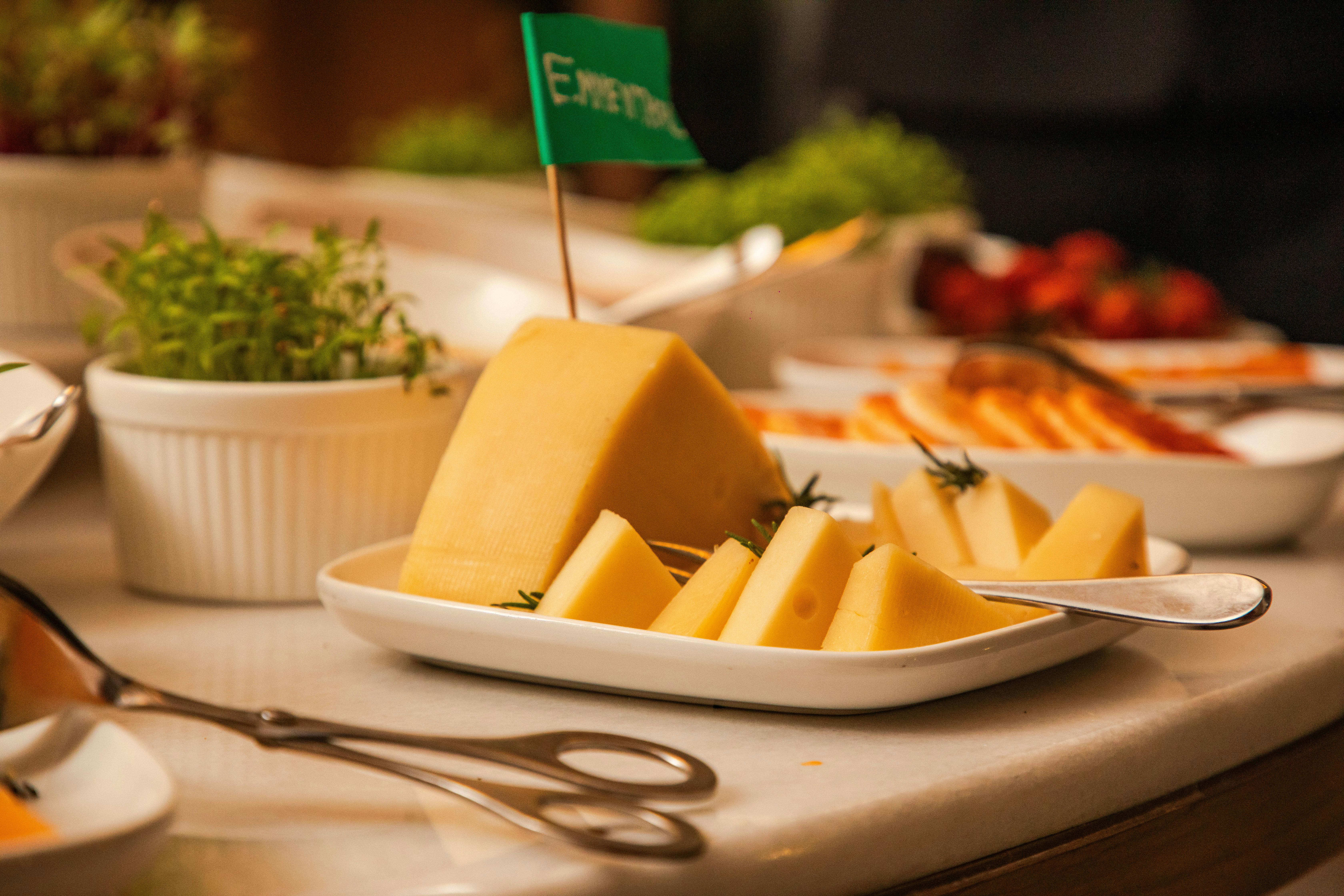
Emmental earned the AOP (appellation d'origine protégée) protected designation in 2000, offered in eight expressions ranging from four months to over 14 months ageing. This is what Americans call "Swiss cheese," though real Emmental bears little resemblance to mass-produced versions.
It takes 262 gallons of cow's milk to make one 200-pound wheel of Emmental. The flavour isn't mild; it's nutty, with notes of hazelnuts and brown butter. The holes, or "eyes," form from bacteria that produce gas during ageing. The discovery that microscopic hay dust causes this process happened only in the 21st century.
2. Gruyère
:max_bytes(150000):strip_icc()/GettyImages-179313182-2000-4482be3bffc349299c03f35060b83ef2.jpg?im=FaceCrop,algorithm=dnn,width=620,height=350 "Latest and Breaking News on NDTV")
Le Gruyère aged six to nine months is smooth, sweet, mild, and slightly creamy. After 10 months, it transforms into Gruyère AOP Reserve, with a delicious savoury bite becoming outstanding at 18+ months.
In continental Europe, Gruyère is thought of as the archetypal Swiss cheese. It's the backbone of fondue and essential for raclette. One wheel can weigh 100 pounds.
3. Raclette
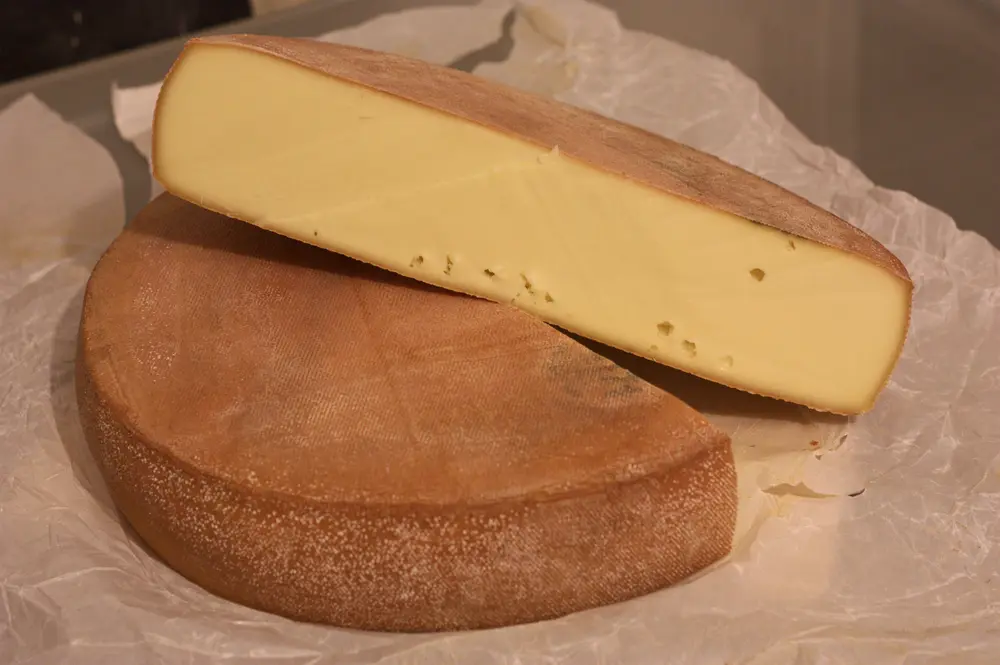
Raclette cheese, produced in the Valais canton, is a semi-firm cow's milk cheese fashioned into 6 kg rounds, granted AOC status in 2003. It's been used for the famous melted cheese dish since the 16th century.
The cheese melts beautifully, becoming gooey and stretchy, perfect for scraping over potatoes and pickles.
4. Appenzeller
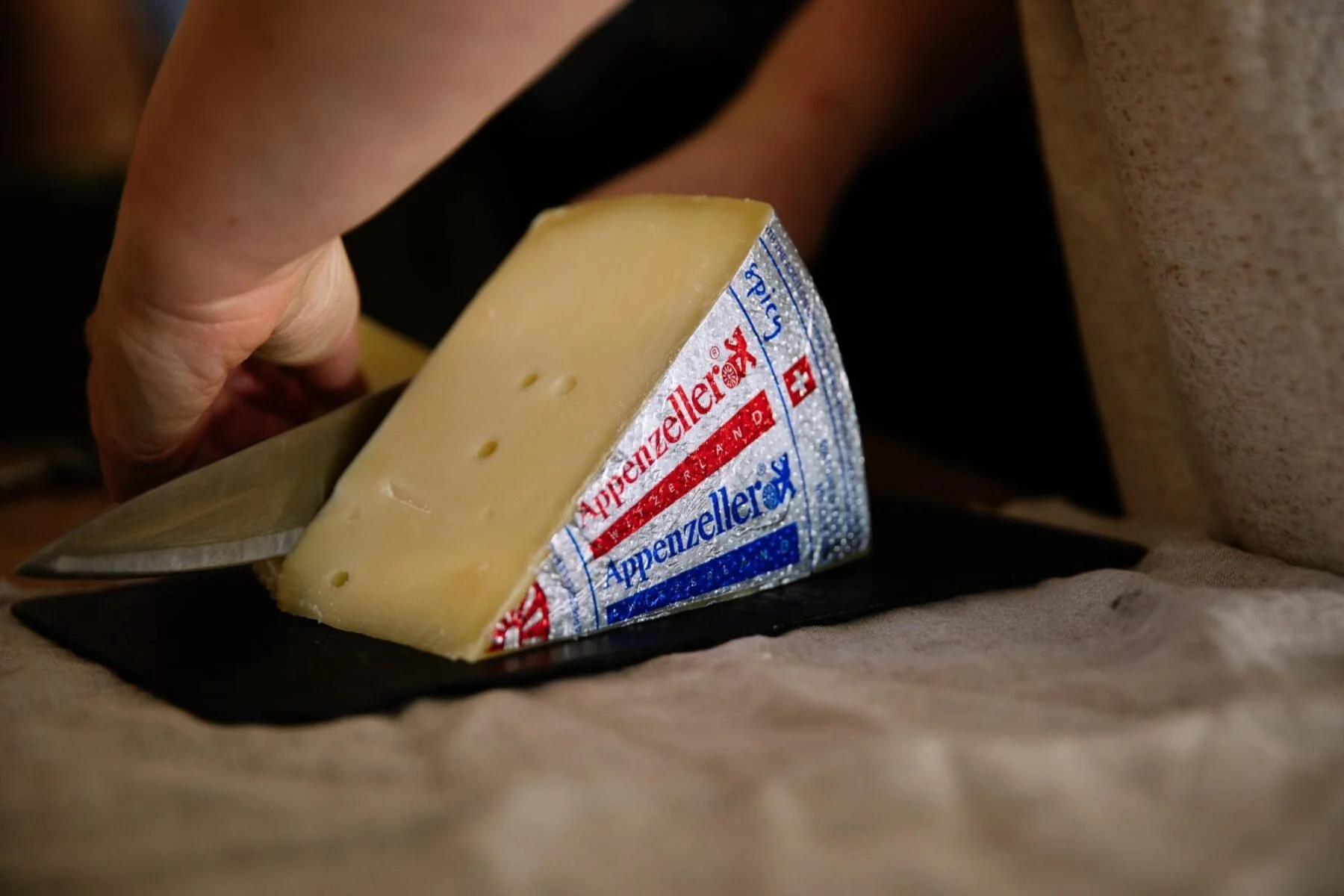
With an assertive, spicy personality, Appenzeller is one of Switzerland's boldest cheeses, full of herbaceous and floral aromas. During ageing, each wheel is hand-rubbed with a secret herbal brine that gives it a distinctive character.
5. Vacherin Mont-d'Or
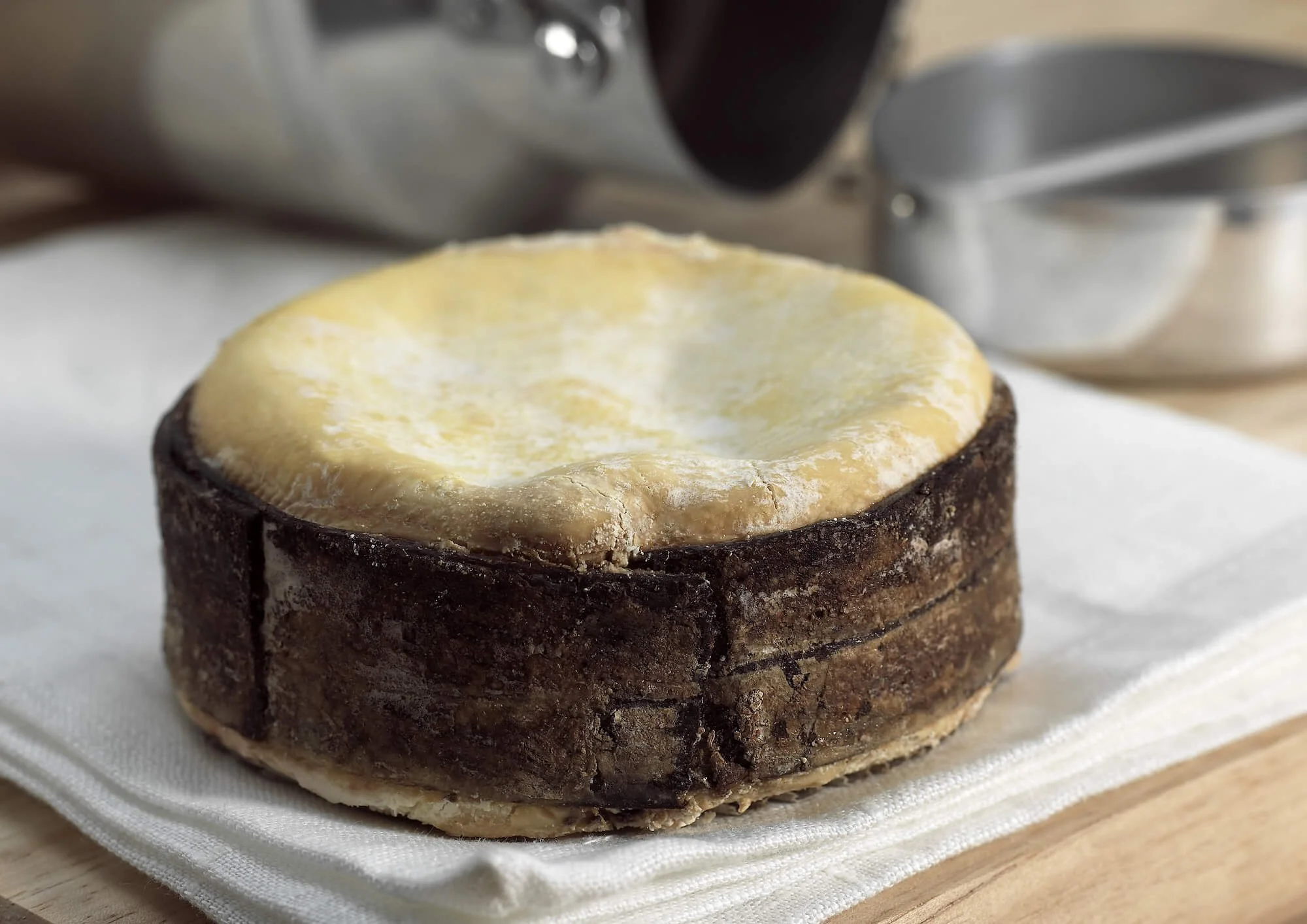
This seasonal cheese can only be produced from mid-August through March, sold from September through April. The deep reddish rind exposes a pudding-like interior. It's so soft you eat it with a spoon.
Also Read: "Kindness Still Exists": Internet Praises Woman Offering Tea To Sanitation Worker In Viral Clip
6. Sbrinz
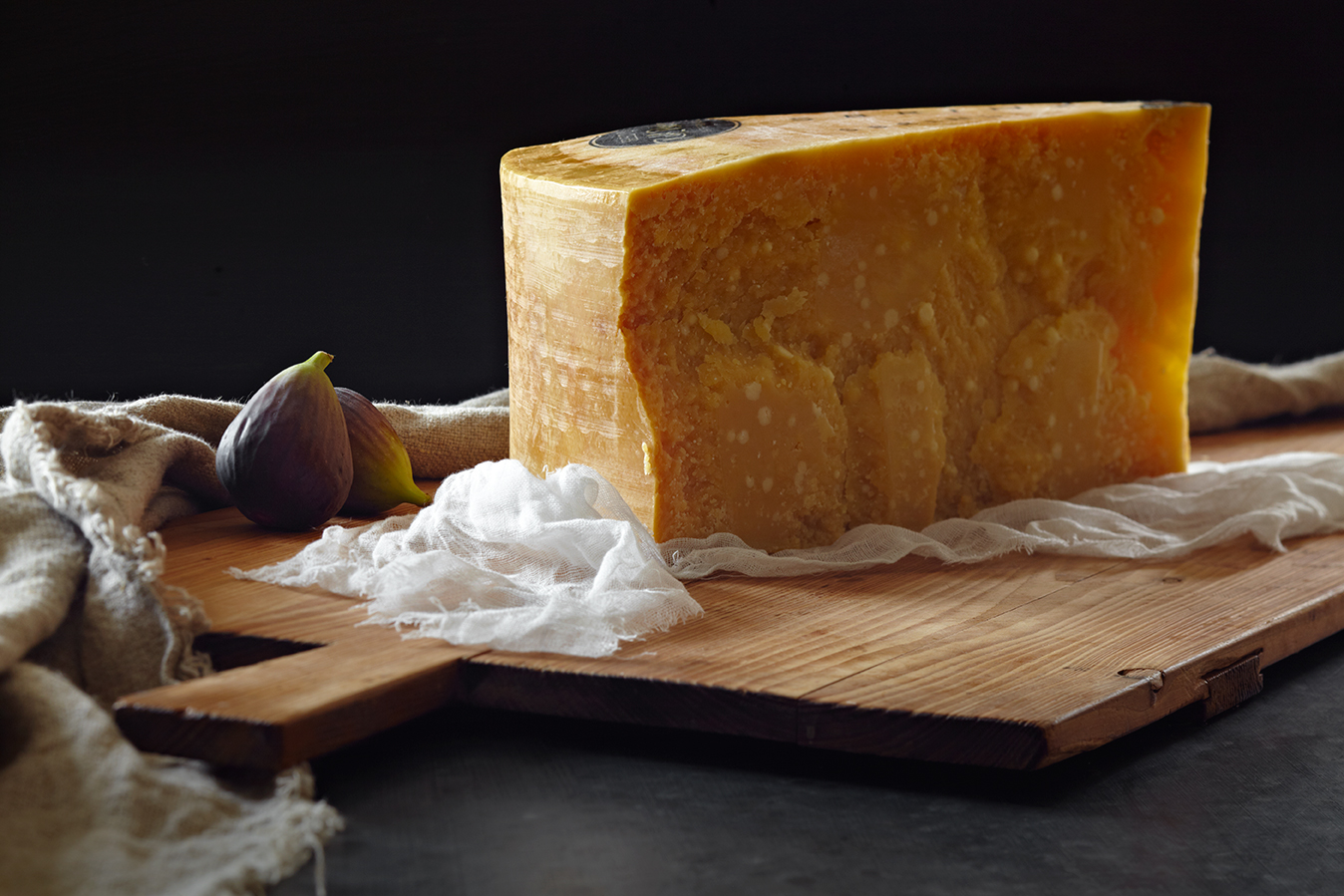
Considered one of Europe's oldest cheeses, Sbrinz has been made for over two millennia. Only 42 dairies in central Switzerland make it. Nearly 160 gallons of milk create each 100-pound wheel. Often called "Swiss Parmesan," it's aged for a minimum of 24 months.
What Makes Swiss Cheese So Special?
The Milk
Production methods rely on premium milk from cows grazed in a unique Alpine climate. The diverse mountain flora, hundreds of grasses, herbs, and wildflowers, give Swiss milk complexity impossible to replicate elsewhere.
The Tradition
Swiss-type cheeses are "cooked," meaning made using thermophilic lactic fermentation starters, incubating curd at high temperatures of 45°C or more. They're pressed to expel excess moisture, creating 'cooked pressed cheeses.'
Traditional Alpine cheeses are made in copper or copper-lined vats, which are mandatory for widely protected varieties. Modern industrial cheese uses stainless steel, but traditionalists insist copper affects flavour.
The Standards
AOP (Appellation d'Origine Protégée) and AOC (Appellation d'Origine Contrôlée) designations protect traditional Swiss cheeses. These legally controlled standards cover permitted cow breeds, pastures, location, making method, and maturation period.
The Character
Swiss-type cheeses have a firm but elastic texture, flavour that's not sharp, acidic, or salty, but rather nutty and buttery. When melted, they're gooey, slick, stretchy, and runny.
Must-Try Swiss Cheese-Based Foods
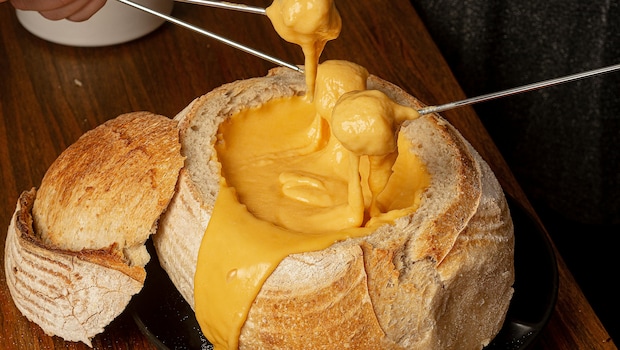
Fondue
Switzerland's national dish. Traditional fondues use Gruyère, Vacherin, and Emmental. Cheese melts in white wine with garlic. Diners dip bread cubes on long forks. Drop your bread in the pot, and tradition says you buy the next round of drinks.
Raclette
A popular dish consisting of melted cheese served with potatoes, gherkins, and pickled onions. Originally, cheese was heated on fire and scraped from the wheel onto potatoes, onions, pickles, or dried meat.
Rösti with Appenzeller
Swiss hash browns topped with melted Appenzeller cheese.
Älplermagronen
Swiss Alpine macaroni: pasta with potatoes, cream, cheese, and onions. Comfort food perfected.
Cheese Boards
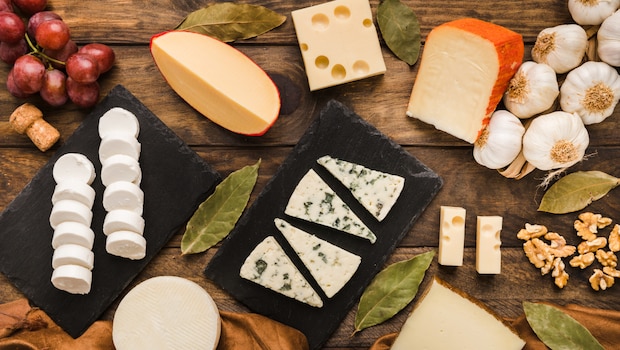
Swiss cheese boards feature multiple types at different ages, served with crusty bread, nuts, dried fruits, and local wines.
Also Read: 10 Pro Hacks For Perfect Frosting At Home For Your Cakes
The Land Of Cheese
Switzerland earned "Land of Cheese" not as a nickname but as a documented fact. With nearly 500 varieties, centuries-old traditions, and quality standards that remain unmatched globally, Swiss cheese represents what happens when geography, necessity, and obsessive craftsmanship meet. For Indians discovering European cheese culture, Switzerland is the essential starting point. The cheeses melt perfectly. The flavours are complex but approachable. And unlike some artisanal cheeses that feel intimidating, Swiss varieties welcome you in, from mild Emmental to bold Appenzeller, there's something for every palate. Next time you see "Swiss cheese" at a store, look closer. Is it real Emmental? Authentic Gruyère? Or just a pale imitation? Because once you've tasted actual Swiss cheese, made in Alpine dairies, aged in humidity-controlled caves, following methods unchanged for centuries, you understand why Switzerland holds this title with such pride.