

Every Indian family has that one sweet which makes people sit up a little straighter when it appears on the table. For many of us, that sweet is Mysore Pak; golden, glossy and unapologetically rich. Across quiz books and general knowledge sites, Mysore Pak is often described as the “King of Sweets” in India, thanks to its royal origin story and outrageous amount of ghee. It was born in the kitchens of the Mysore Palace, has travelled to weddings and mithai counters across the country, and today inspires everything from tasting rooms to modern twists. This is its story, and a detailed recipe for your own kitchen.
This Dish Is Called The King Of Sweets In India
Several Indian sweets claim informal crowns, but when people talk about the “King of Sweets” in a GK or trivia context, they almost always mean Mysore Pak. Multiple current-affairs explainers and quiz prep sites explicitly identify Mysore Pak as the sweet known as the King of Sweets, citing its royal background, rich taste and national popularity. While the title is more poetic than official, it reflects how strongly this one dessert is associated with indulgence, status and celebration.
What Exactly Is Mysore Pak?
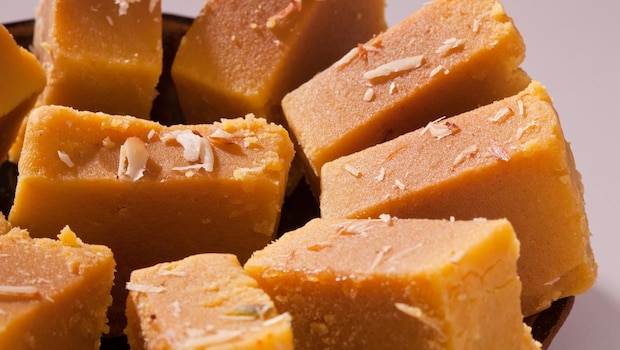
At its core, Mysore Pak is deceptively simple. It is a South Indian sweet made from just three main ingredients: gram flour (besan), sugar and a frankly shocking amount of ghee.
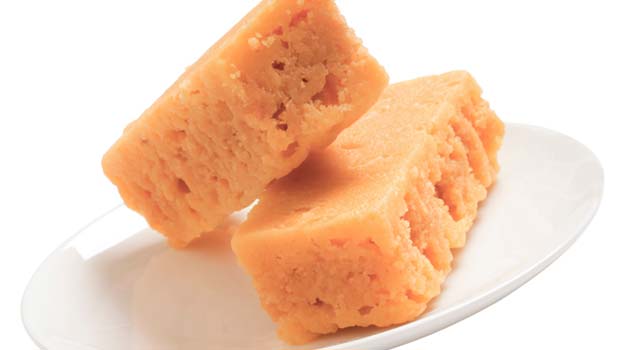
Cooked correctly, these transform into a fudgy, porous block that looks like a dense barfi but eats like a buttery cookie, melting into a puddle of nutty sweetness almost as soon as it hits your tongue.
Karnataka Tourism describes it as a popular sweet from the state, with the word “pak” coming from paaka, the sugar syrup that binds everything together. Traditional versions are a little firm and crumbly; modern “melt-in-the-mouth” styles, made famous by certain Karnataka sweet shops, are softer and almost airy. Either way, it is a sweet that proudly tastes like pure ghee and slow cooking, nothing subtle here.
Also Read: Which Is The Oldest Dessert Of India?
A Brief History: From Royal Accident To Icon
Most versions of the story agree on a few key points: Mysore Pak was created in the royal kitchens of the Wadiyar rulers of Mysore, sometime in the late 19th or early 20th century, by a palace cook named Kakasura Madappa. One day, when dessert was not ready and the king, often identified as Krishna Raja Wadiyar IV, was about to sit down to lunch, Madappa improvised. He cooked besan in ghee, mixed it into a hot sugar syrup, and poured the mixture out onto a plate, hoping it would set into something decent.
By the time the royal family reached the dessert course, the mixture had firmed up into soft, golden blocks. The king tasted it, was delighted by the way it melted in his mouth, and demanded to know what this new sweet was called. Caught off guard, the cook is said to have blurted out “Mysore Paka, “Mysore” for the city, and “paka” or “pak” from the Kannada word for sugar syrup. The name stuck, the recipe was refined, and Mysore Pak soon became a regular royal dessert.
Over time, the king encouraged Madappa to sell the sweets outside palace walls, leading to the establishment of Guru Sweets (often called Guru Sweet Mart) near Devaraja Market in Mysore. Descendants of the original cook still run the shop, and many writers and tourism boards point to it as the place to taste “authentic” palace-style Mysore Pak. From there, it spread across Karnataka, Tamil Nadu, Andhra Pradesh, Telangana and eventually to mithai counters all over India, even showing up in parts of Bangladesh under slightly modified names.
Cultural Importance: More Than A Festival Sweet
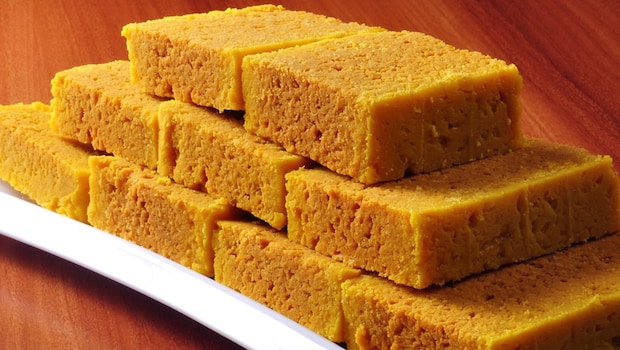
Mysore Pak is more than a Diwali box filler. Across South India, it is almost mandatory at weddings, baby showers and major religious celebrations, where a spread of sweets feels incomplete without at least a few golden rectangles of this ghee bomb. In many households, it is one of the first “special” sweets considered when there is news to celebrate or guests to impress.
Its palace origin has also turned it into a kind of edible heritage symbol. Food writers describe Mysore Pak as one of Karnataka's signature desserts and a key part of the state's culinary identity, alongside dishes like bisi bele bath and ragi mudde. Travel features highlight Guru Sweet Mart and newer Mysore Pak-focused experience centres as reasons in themselves to visit Mysuru, treating the sweet almost like a living museum piece you can eat.
At a broader level, calling it the “King of Sweets” reflects a few things Indians often value in a celebratory dessert: an origin story linked to royalty, a short ingredient list that hides a lot of technique, and a taste that leaves no doubt about the amount of ghee that went into it.
Styles And Regional Variations
Within Karnataka and neighbouring states, Mysore Pak now exists in several styles.
- Traditional/firm Mysore Pak: Often associated with Guru Sweets and older shops, this version is slightly hard, with a porous, honeycomb-like interior and a clear bite before it melts.
- Soft Mysore Pak: Popularised by some modern sweet chains, this has a higher ghee ratio and shorter cooking, making it lighter in colour and extremely soft – many describe it as the sweet equivalent of a ghee-soaked sponge.
- Flavoured versions: Some brands and home cooks now infuse the basic formula with cardamom, saffron, dry fruits or even chocolate and coffee, though purists still swear by the plain ghee-and-besan original.
Despite these variations, most recipes still revolve around three pillars: well-roasted besan, a carefully judged sugar syrup and a slow stream of hot ghee folded in at just the right moment.
How Mysore Pak Is Traditionally Made
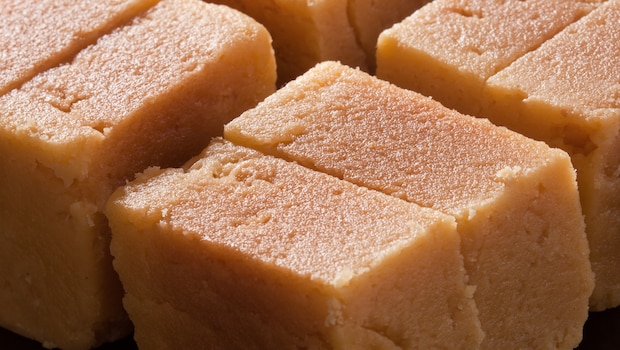
Karnataka Tourism breaks the process into three main stages: frying besan in ghee, making the sugar syrup, then combining the two and letting the mixture set.
Sounds easy; in practice, Mysore Pak is notorious for being unforgiving if you rush the syrup or skimp on the ghee.
Ingredients (for a classic, ghee-rich batch)
- 1 cup gram flour (besan), fine and sifted
- 2 to 2½ cups ghee (traditionally even more)
- 2 cups sugar
- 1 cup water
- Pinch of baking soda (optional, for a more porous texture, used in some traditional recipes)
- ¼ tsp cardamom powder (optional)
Method
Step 1: Toast the besan in ghee
Grease a small tray or thali with ghee and set aside. In a heavy-bottomed kadai, heat ½–¾ cup of ghee on low to medium flame. Add sifted besan, roast while stirring to avoid lumps or burning, until the raw smell disappears and the flour turns deeper in colour, emitting a nutty aroma, taking 8–10 minutes. Keep the mixture warm.
Step 2: Make the sugar syrup
In a separate thick-bottomed pan, combine sugar and water, heating gently while stirring until the sugar dissolves completely. Then, increase the heat and cook the syrup until it achieves a one-string consistency, where a drop between thumb and forefinger stretches to a single thin thread before breaking. At this stage, you can stir in cardamom powder if desired.
Step 3: Combine and build the texture
Lower the sugar syrup flame and gradually add the warm ghee–besan mixture, stirring continuously to prevent lumps. Once combined, incorporate the remaining hot ghee slowly, stirring as the mixture thickens, turns glossy, and leaves the pan's sides. Small bubbles and a porous surface indicate readiness. Optionally, sprinkle a tiny pinch of baking soda for a honeycomb-like interior, but avoid excess to maintain taste.
Step 4: Setting and cutting
Immediately pour the hot mixture into a greased tray and gently level the top, avoiding excessive tapping to preserve air. Let it cool for 10–15 minutes until partially set, then mark squares or rectangles with a greased knife. Once fully cool, separate the pieces and store them in an airtight container. Good Mysore Pak keeps for days at room temperature and longer in the fridge.
The key, as many experienced cooks stress, lies in patience, heat control, and not being timid with the ghee.
If you cut the ghee sharply, you simply end up with a dry, hard barfi; the legendary melt-in-the-mouth texture needs fat and time.
Also Read: Masala Dosa Bites Recipe: A Bite-Sized Twist On A South Indian Classic
Why Mysore Pak Still Feels Relevant

In an era of fusion cupcakes, viral cheesecakes and air-fryer desserts, Mysore Pak has quietly held its place. Food and travel writers from India and abroad keep returning to it as an example of how a dish can embody a place – in this case, Mysuru's royal kitchens and Karnataka's love of ghee and grain-based sweets. Contemporary brands talk about it as “South India's crown jewel of sweets”, while heritage accounts call it the “king of South Indian sweets”, reinforcing its halo.
Within families, it also carries emotional weight. For many Kannadigas, a box of Mysore Pak signals home, though people from Tamil Nadu or Andhra Pradesh will just as fiercely claim their local versions. Wedding menus across the south still feel incomplete without it, and Diwali platters pan-India often feature at least a few pieces among the laddoos and kaju katli.
Newer developments, such as Mysore Pak experience centres, guided tastings and storytelling-based shops, are turning it into an object of culinary tourism as well, not just a festival sweet.
So the “King of Sweets” tag is not just nostalgia; it is actively being kept alive by chefs, tour guides and sweet shop owners.
Also Read: 8 Hidden Bars In Delhi Where Finding The Door Is Part Of The Experience
The King Of Desserts
The dish most commonly crowned the “King of Sweets” in India is not a multi-layered modern pastry or a chocolate invention; it is a simple-looking brick of besan, sugar and ghee that once surprised a hungry Mysore king. Mysore Pak's power lies in that contrast between appearance and experience; it looks humble, yet it eats like concentrated luxury. From the accident in Kakasura Madappa's royal kitchen to Guru Sweets' loyal queues and Diwali boxes across the country, it has earned its crown one melt-in-the-mouth bite at a time. For Indian home cooks, learning to make it is like adding a little bit of that royal story to your own family table. Even if you only attempt it once a year, it will probably become the dessert everyone talks about long after the plates are cleared.