



I first visited Hosa during a recent trip to Goa, almost on a whim, after hearing friends rave about its take on South Indian food. Perfectly located in Siolim, the restaurant felt instantly welcoming and unpretentious. From the first few bites, it was clear that this was not just another good meal. The food was thoughtful, comforting and full of flavour, without ever feeling heavy. What really stayed with me was how the chef took the time to explain the dishes, sharing recommendations that made each plate feel personal. I also loved the interiors of the establishment. It was classy but not overwhelming, and subtly added an element of luxury (along with comfort) to the dining experience.
The service only added to the experience. The staff were warm, quick to respond and genuinely attentive, striking that rare balance of being present without hovering. It felt like the kind of place where people truly enjoy what they do. The entire meal was delicious, filling and satisfying. So when I later found out that Hosa had rolled out a new menu, I couldn't help but feel curious. Having loved my first experience so much, I wanted to know what had changed and what stayed the same. That curiosity led me back to Hosa, this time for a conversation with chef Harish Rao, to understand the thinking, memories and flavours shaping the restaurant's new menu.
Known for its contemporary approach to regional cuisine, Hosa's refreshed offerings highlight coastal traditions, home-style techniques, and clean, flavour-forward cooking.
The small plates section welcomes dishes like Girmit, a Karnataka-style puffed rice served with stuffed chilli bajji; Podi Vattayappam, soft rice cakes paired with chilli podi; and Green Liver Fry, a plant-based mock-meat creation with finger millet dosas. New favourites such as Naranga Chicken in an orange-chilli glaze and Chettinad Lamb Chops join returning hits like Hosa Fried Chicken and Roti Canai with tawa chicken.
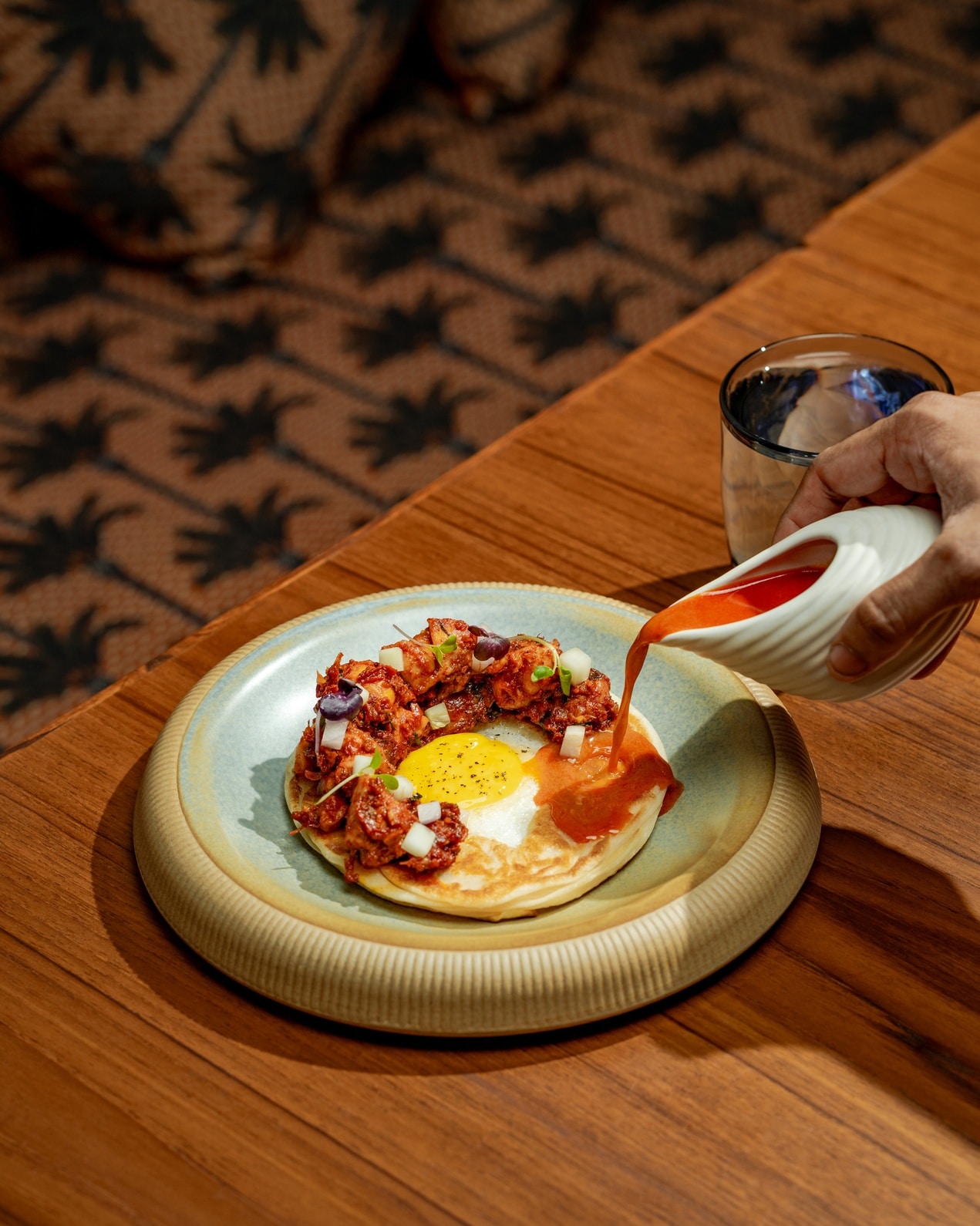
Roti Canai
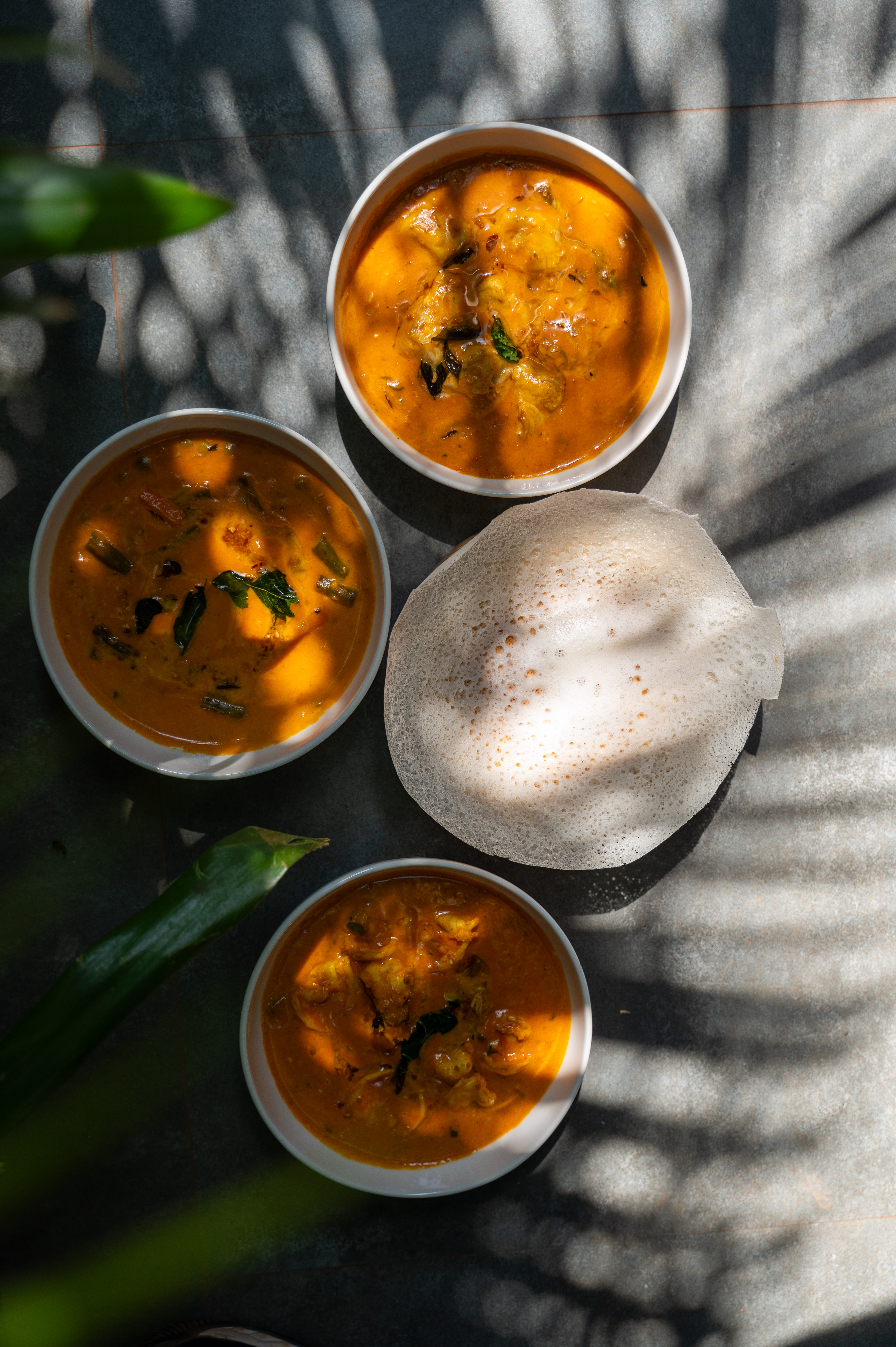
Large plates feature comforting additions like Potato Gassi, a chilli-coconut masala, and a reimagined Southern Pork Curry with braised pork belly and bacon-coriander rice. Seafood remains a highlight with Crab Fry served alongside neer dosa, complementing classics like Karwar Fried Fish and Toddy Shop Prawns.
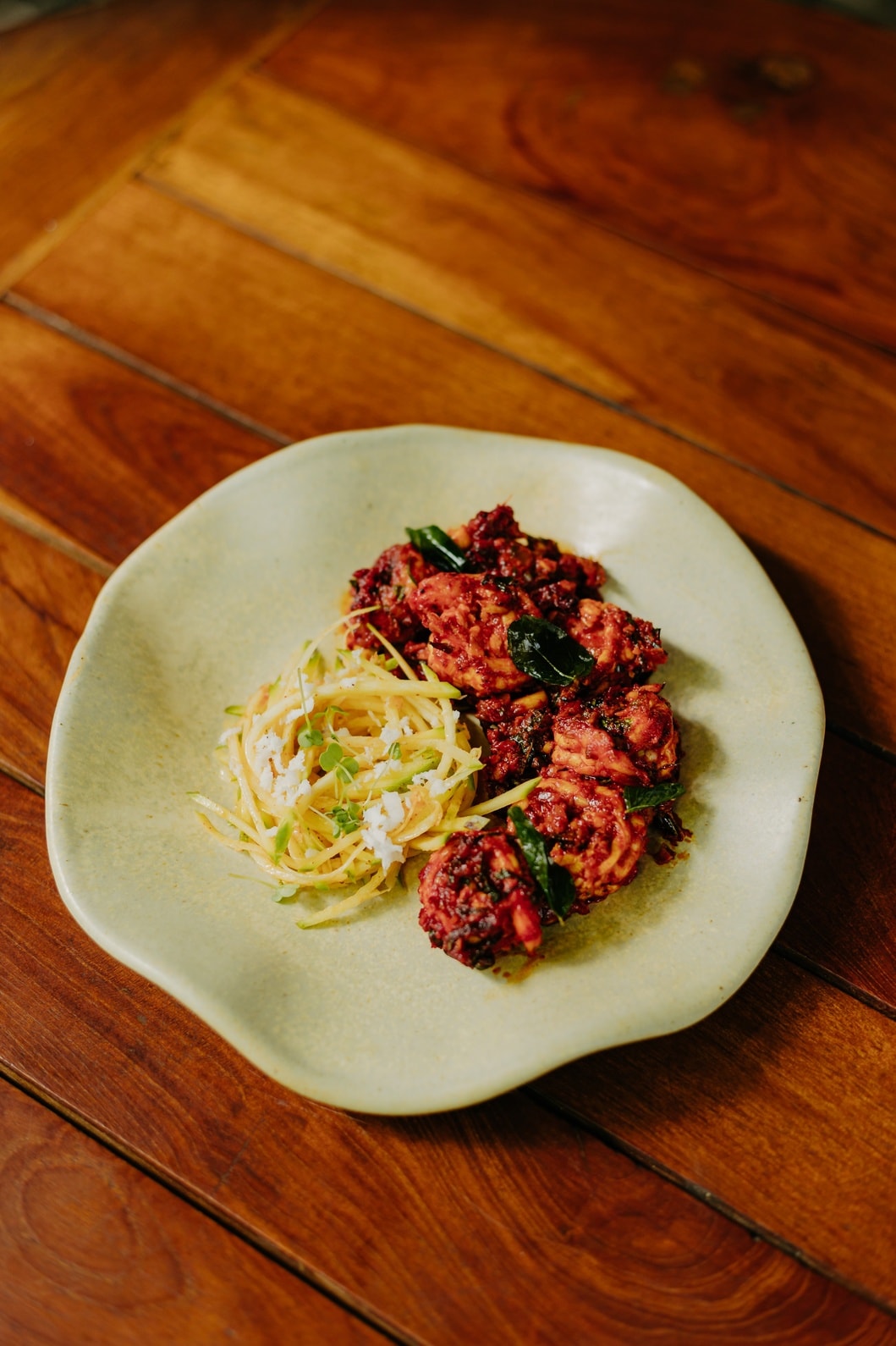
Toddy Shop Prawns
Desserts continue Hosa's ingredient-led philosophy with creations such as Coconut Snow with jasmine granita and Chocolate Chilli Ganache, alongside house-made ice creams and sorbets.
Chef Harish Rao sums it up: "The new dishes celebrate South India's diversity while staying true to Hosa's style."
Q&A With Chef Harish Rao:
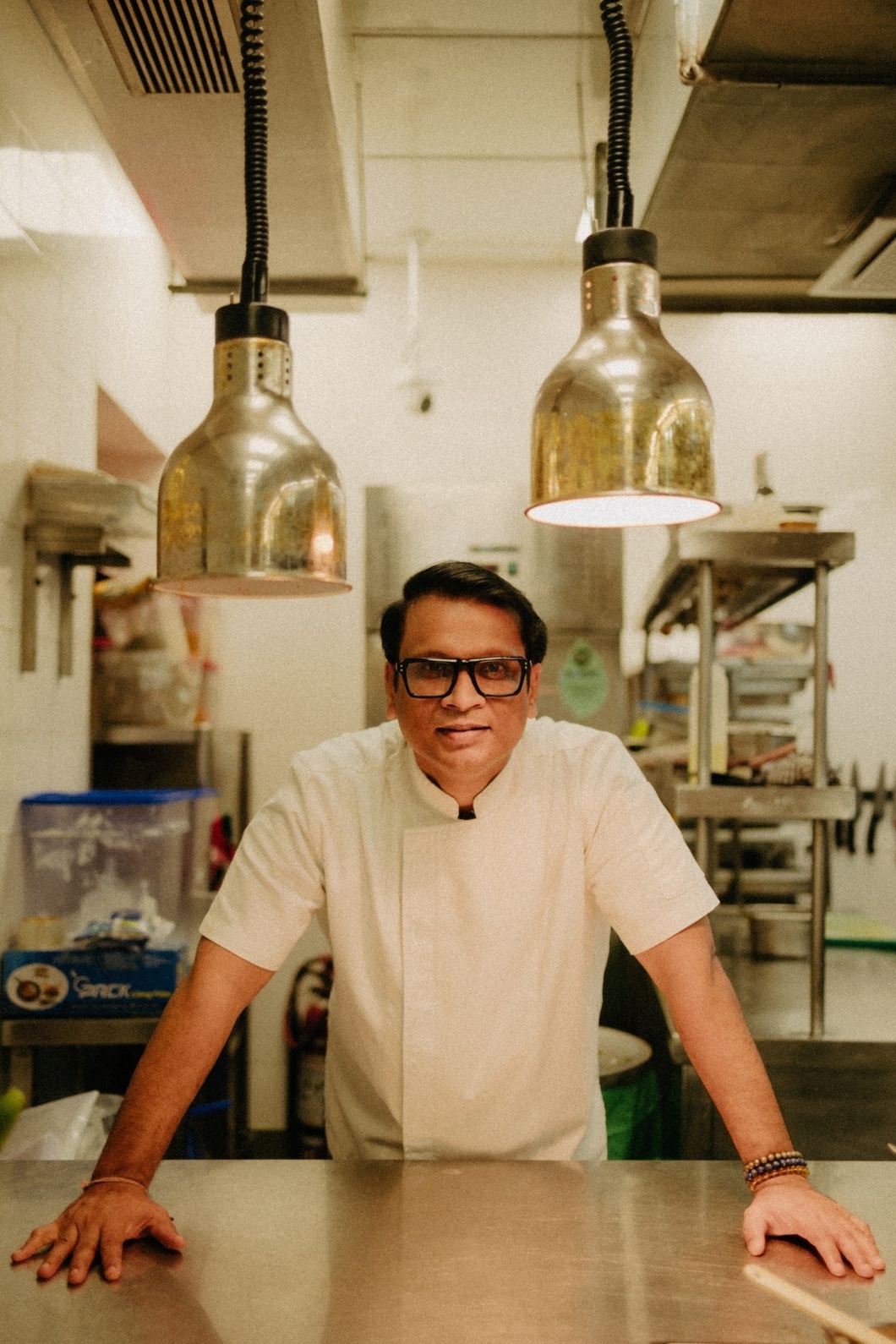
1. Hosa has always drawn from regional South Indian food cultures. With this new a la carte menu, what personal memories or places most strongly shaped the new dishes?
The menu is rooted in lived experiences rather than formal recipes, meals eaten while travelling through Tamil Nadu, coastal cooking along Kerala and other states in south India, and everyday comfort food from home. These moments shaped our understanding of balance and restraint. The dishes reflect familiarity and warmth, but with clarity and intention, staying true to the places that inspired them.
2. The refreshed menu balances comfort food with innovation. How do you decide where to preserve tradition and where to reinterpret it?
We preserve tradition when the emotional connection is strong and reinterpret only where technique or balance can enhance the experience. Innovation is not about changing flavours for novelty, but about refining them, cleaner spice usage, better textures, and improved digestibility, while respecting the essence of the dish.
3. Seafood remains a popular menu item at Hosa Goa. With additions like the Crab Fry alongside long-standing favourites, how does the Goan coastline influence your sourcing and flavour choices?
The Goan coastline encourages simplicity and freshness. When seafood is sourced well, it needs very little intervention. Our flavours are guided by the natural sweetness and salinity of the catch, with spices used to support rather than overpower. The crab fry is a good example, bold, but balanced and coastal at heart.
4. The new Dindigul Mutton Biryani is described as having a cleaner spice profile. What does 'clean' mean to you in the context of South Indian cooking, and how does it reflect Hosa's evolving style?
'Clean' means precision and purpose; each spice is distinct, measured, and layered thoughtfully. South Indian cooking is naturally complex, but that complexity comes from balance, not heaviness. This biryani reflects Hosa's evolution toward refinement, where flavour is deep, but never overwhelming.
5. South Indian food is incredibly diverse and constantly evolving. As Hosa grows, how do you see the restaurant's menu continuing to change while staying rooted in its original philosophy?
Our philosophy has always been to explore with respect. As Hosa grows, the menu will continue to evolve through regional influences, seasonal ingredients, and thoughtful reinterpretation, while staying grounded in South Indian techniques, flavours, and food culture.
6. Goa attracts a mix of loyal local diners and first-time visitors from across the country and abroad. Do you notice a difference in how locals and tourists respond to reimagined versions of familiar South Indian dishes?
Yes, locals often respond emotionally, looking for authenticity and familiarity, while visitors are more open to reinterpretation. Our aim is to meet both expectations, offering food that feels honest to locals and exciting to those discovering these flavours for the first time.
7. When locals see reinterpretations of dishes they know well, like pongal, gassi or biryani, what kind of feedback matters most to you as a chef?
What matters most is when they feel the dish is respectful. It doesn't need to be identical to what they know, but it should carry the same spirit and comfort. That sense of recognition tells us we've stayed true to the dish.
8. South Indian food changes every few kilometres. As Hosa continues to evolve, how do you see the dialogue between regional tradition, local diners, and global travellers shaping future menus?
That dialogue is central to Hosa. Regional traditions keep us rooted, local diners keep us honest, and global travellers encourage clarity and openness. Our future menus will continue to sit at this intersection, evolving naturally while remaining deeply connected to place and culture.
About Neha GroverLove for reading roused her writing instincts. Neha is guilty of having a deep-set fixation with anything caffeinated. When she is not pouring out her nest of thoughts onto the screen, you can see her reading while sipping on coffee.