








 Should Machines Decide Who Lives And Dies In A War? Ex-CIA Chief Answers
 Kriti Sanon Says Instagram Has No Option To Report AI-Generated Images Of Her
 What Anthropic, Monks And The Cusp Of Consciousness Teach About Tomorrow
 Nikhil Kamath's Big AI Bet: Why India Should Look Beyond Silicon Valley
 When Will India Get Its Own Apple, Samsung? Ashwini Vaishnaw Reveals Timeline
 NDTV World Summit 2026: Shaping The Future Amid Global Change
 Neeru Saini On Fitness, Focus & Her Love for Churma!
 NDTV Lifeline- Himanshu Saini on the Secret to Eating Well: More Greens, Healthier Desserts
 Hockey Champions Savita Punia & Neha Goel on Fitness, Recovery & The Meaning of Health
 Millets: The Superfood That's Good for You and the Planet
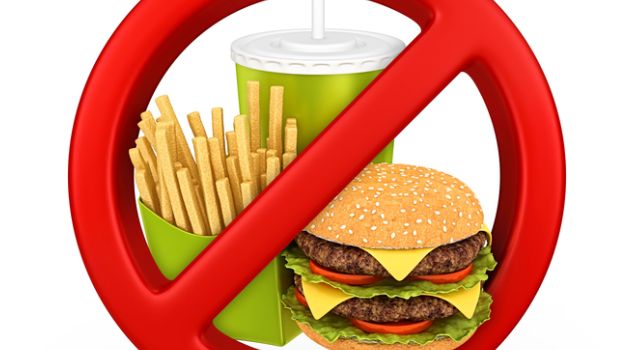
FSSAI's report on 'Consumption of Fat, Sugar and Salt (FSS) and its health effects on India's population' stated, "The country's existing nutrition and public health policies fails to provide vision and urgent steps that are needed to tackle the rising problem of overweight and obesity due to increasing urbanization, sedentary lifestyles and unhealthy diets. Thus we need to recognize and formulate strategies to reduce the burden of risk factors that fuel the chronic disease epidemic. One such established risk factor is unhealthy diet, especially those high in trans and saturated fats, refined sugars and salt."(Also read: Maharashtra Bans Junk Food in School Canteens to Curb Obesity)

Image Credit: Istock
Some Measures Suggested by FSSAI
In the report, FSSAI suggests the following measures -
- Monitoring of FSS intakes at a national level that will facilitate the much needed evidence and basis for establishing regulatory limits in food for manufacturing and sale.
- Advertisement ban for foods high in FSS during children TV shows or kids TV channels. Celebrity endorsements of such foods to be discouraged. The online social media websites should also comply with advertising ban for unhealthy foods.
- Additional tax on highly processed commodities and sugar sweetened beverages. Imposing additional tax on the purchase of commodities such as pre-packaged foods with high salt and fat content, sugar sweetened beverages, etc., can be a pragmatic approach to reduce their intake.
- Nutrition education and awareness. A multifaceted approach with policy convergence between nutrition, agriculture, food industries, health and allied sectors to bring about significant reduction in FSS intakes at large. Raising consumer knowledge and awareness through public health campaigns, school education programs to help make healthier food choices among the population.

- Advocating reformulation of commercialised products. Encourage voluntary reformulation of food products to reduce the contents of fats (i.e. saturated fats and trans fats), sugar (free sugars) and salt in packaged food.
- Positive nutritional labelling in creating awareness among the population in order to make healthier food choices. Detailed guidance from FSSAI's panel constituted specifically for labelling issues is sought.
- Provide a nutrition-sensitive and an enabling environment to allow a consumer to make healthier choices in a sustained fashion.
The report aims to be a guideline document in reducing consumption of fat, sugar and salt through processed food products for all the stakeholders, including the FSSAI, industry and consumers.