



Curd is usually associated with summer meals, but many people enjoy it throughout the year for its comforting taste and soothing texture. Winter, however, brings its own set of digestive challenges, especially when the body feels colder, and overeating is more often. There has always been a debate around when and how curd should be eaten during the colder months. When paired thoughtfully, curd can still support gut balance and overall comfort in winter. Before looking at these pairings, it helps to understand whether curd itself is suitable for the season.
Also Read: Not All Salts Are Created Equal: Expert Shares Which One Is Best For Your Health
Is It Safe To Have Curd In Winter?
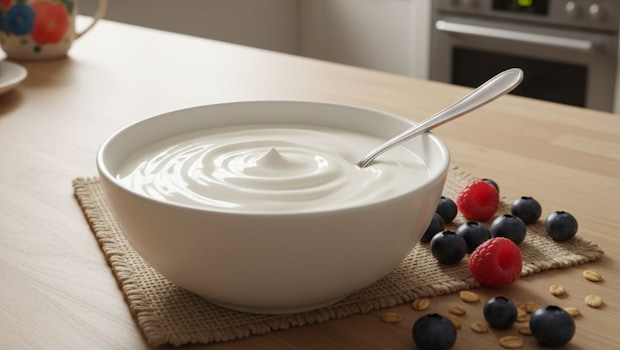
Absolutely! As per nutritionist Rupali Datta, you can consume curd in winter but in moderation. Curd can be had but not at cold temperatures. She says, "Cold-temperature foods should not be had in winter season, as the body has to work twice as hard to bring them up to the body temperature."
Fresh, room-temperature curd usually digests well and provides the probiotics needed to keep the gut active in cold weather. Moderation is important, but curd does not need to be avoided.
Here Are 5 Winter Curd Combinations That Support Better Gut Health
1. Curd with Rice

Curd and rice remain one of the easiest and gentlest meals for the stomach. Warm rice helps soften curd's cooling quality and creates a balanced dish that many people find soothing in winter. As per Ayurvedic health coach Dimple Jangda, this combination helps in repopulating the good bacteria in your gut. Plus, this pairing also works well when you want something light that does not cause acidity or heaviness.
2. Curd with Jaggery
Jaggery is often eaten in winter for its warming and digestive benefits, as per a 2020 research paper. Combined with curd in small amounts, it creates a gentle and nourishing mix that is naturally sweet and easy on the stomach. The minerals in jaggery complement the probiotics in curd and can support smoother digestion after a heavy lunch.
3. Curd with Roasted Flaxseeds
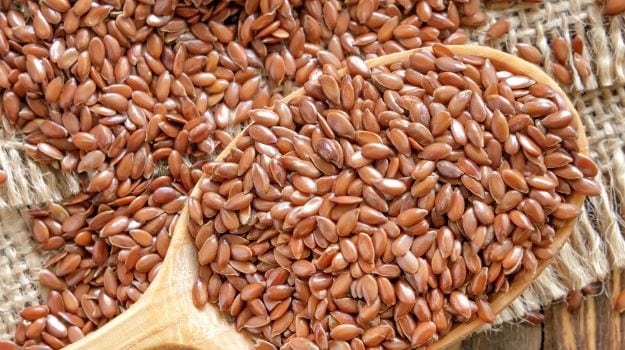
As per a 2023 research paper, flaxseeds add fibre, texture and healthy fats that help regulate digestion in winter. When stirred into curd, roasted flaxseeds make the dish more filling and help prevent constipation, which is common during colder months. This combination supports a healthy gut environment and keeps meals light yet nourishing. It can be eaten as a mid-morning snack or paired with lunch for an extra boost of fibre.
4. Curd with Dry Fruits
Dry fruits bring warmth, fibre and healthy fats, making them ideal for winter digestion. When mixed into curd, almonds, raisins or walnuts help keep you full for longer, as per health coach Jangda. This pairing also helps stabilise energy levels and prevents snacky cravings during colder evenings. The mix of probiotics, crunch and natural sweetness works well for gut comfort and is an easy way to make curd more winter-friendly.
5. Curd with Millets

Millets such as foxtail, little millet or bajra are warming grains that work particularly well in winter. When paired with curd, they create a hearty meal that supports digestion without feeling too heavy. Millets offer slow-release energy while curd provides probiotics that help maintain gut balance. This combination is especially useful for days when you want something wholesome that keeps you full and comfortable through the afternoon.
Also Read: What Happens When You Drink Chamomile Tea Every Night For A Month
Best Time To Have Curd
Nutritionist Shalini Sudhakar says that the best time to eat probiotics is after meals. Our gut holds about 100 trillion bacteria-some helpful, some not. While harmful bacteria mess with digestion, good ones help break down food and make digestion smoother. She adds, "Finishing your meal with a probiotic improves digestion, enhances nutrient absorption, and prevents bloating."
So, you can have curd in the winter and make it extra beneficial for your body by adding these pairings to your diet.
Disclaimer: This content including advice provides generic information only. It is in no way a substitute for qualified medical opinion. Always consult a specialist or your doctor for more information. NDTV does not claim responsibility for this information.