


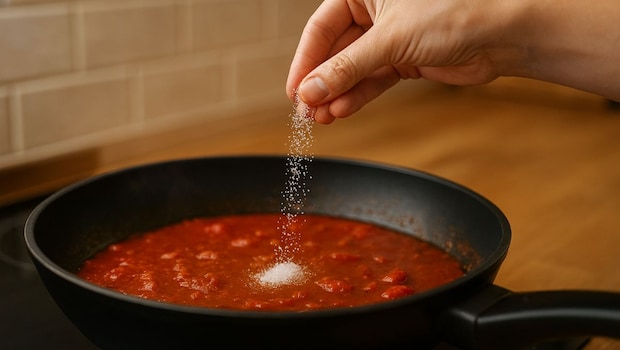
Tomato-based curries are a staple across Indian kitchens, from everyday gravies to festive paneer dishes. Yet achieving that ideal balance - tangy, rich, and rounded - can sometimes feel challenging. Even with the right spices and well-cooked masala, the curry may still taste sharp or lack depth. This is where a small pinch of sugar quietly helps. Not to sweeten the dish, but to round out flavours in a way that many home cooks and professional kitchens rely on without emphasising it.
Also Read: How Banarasi Paan Became A Viral Hit Across India From The Lanes Of Varanasi
Sugar Balances Tomato Acidity Naturally

Tomatoes contain natural acids that can easily dominate a curry, especially when they're very sour or off-season. A tiny amount of sugar helps soften this sharpness just enough for the tomato flavour to settle into the gravy instead of sitting on top of it.
What happens when you add a pinch:
- Cuts excessive tang without overpowering the tomato
- Makes the gravy taste smoother and more cohesive
- Reduces the acidic aftertaste that lingers
This is one reason many dhaba-style gravies feel more rounded even with heavy tomato use.
Sugar Enhances Overall Flavour Depth
Beyond balancing sourness, sugar subtly elevates the dish by helping other flavours shine through. In controlled amounts, it strengthens the character of the spices and improves the unity of the masala.
It helps:
- Spices taste more defined
- The masala blend more seamlessly
- The gravy develop a fuller, well-rounded profile
Think of it as a small adjustment that supports existing flavours rather than altering them.
Sugar Improves Colour and Finish of the Gravy
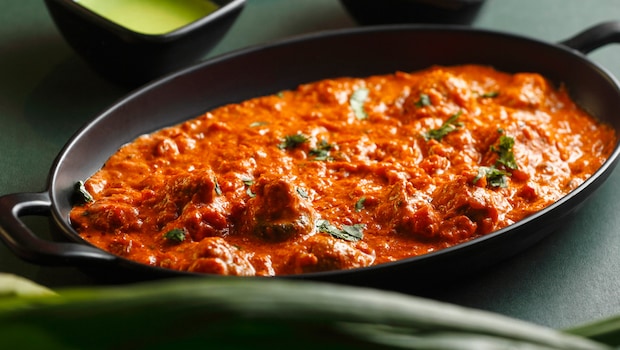
A lesser-known perk of using a pinch of sugar is its effect on appearance. When cooked properly, it can assist mild caramelisation, leading to a deeper, more inviting colour.
Why this works:
- Encourages gentle browning in the masala
- Makes the gravy look richer and slightly glossy
- Gives the dish a more polished, appetising finish
Many professional kitchens rely on this subtle enhancement to improve presentation.
When You Should Definitely Consider Adding Sugar
This trick becomes especially useful when:
- Tomatoes are very sour or out of season
- The gravy feels sharp even after slow cooking
- You're making gravies like paneer butter masala
- You want a more balanced, restaurant-style outcome
If your tomatoes are naturally sweet and balanced, you may need very little or none at all.
How Much Sugar To Add

The key is restraint - tomato gravies should not taste sweet.
A simple guide:
- Start with a pinch (about 1/8 teaspoon)
- Add it towards the end of cooking
- Taste and adjust if necessary
- Let the curry simmer for 2–3 minutes after adding
Add gradually. It's easy to increase sweetness, but impossible to reverse it.
Common Mistakes To Avoid
- Adding sugar too early, which can interfere with bhunao
- Using too much, resulting in an odd sweetness
- Expecting sugar to fix undercooked tomatoes — always cook the masala properly first
- Skipping taste checks before and after adding
Pro Tip For Better Balance
If you prefer a more natural way to mellow acidity, you can use:
- A little grated carrot
- Well‑cooked chopped onion
- A touch of jaggery instead of refined sugar
These work well in many Indian gravies and offer a subtle sweetness without standing out.
Also Read: 6 Foods The British Royal Family Loves To Eat
A pinch of sugar in tomato-based curries is ultimately about bringing balance. When used thoughtfully, it can turn a sharp, uneven gravy into one that's rounded, comforting, and far closer to what you'd expect from a well-made restaurant dish — all without making the curry taste sweet.