







Losing weight isn't about punishment. It's not about suffering through sad meals or staring at your phone watching calories disappear. The entire paradigm of weight loss has shifted. In 2026, genuine health professionals understand that sustainable weight loss comes from small changes repeated consistently rather than dramatic overhauls abandoned by February. Weight loss works when you stop fighting your body and start listening to it. When you stop demonising foods and start understanding nutrition. When you shift from thinking “I can't eat this” to thinking “what does my body actually need?” This shift changes everything. Indian kitchens offer incredible advantages for this journey. We understand spices beyond taste. We understand dal, beans, and lentils that global nutrition science is only now catching up to. We understand rice and flatbread that European cultures complicated through unnecessary restrictions. This feature outlines seven concrete changes that align with 2026's evidence-based approach to sustainable weight loss. Not trends. Not celebrity diets. Science-backed, research-proven changes that actually work when implemented patiently.
Also Read: The Flavour India Forgot: Why Smoked Meat From The Northeast Deserves The Spotlight
Change 1: Shift Your Relationship With Fibre
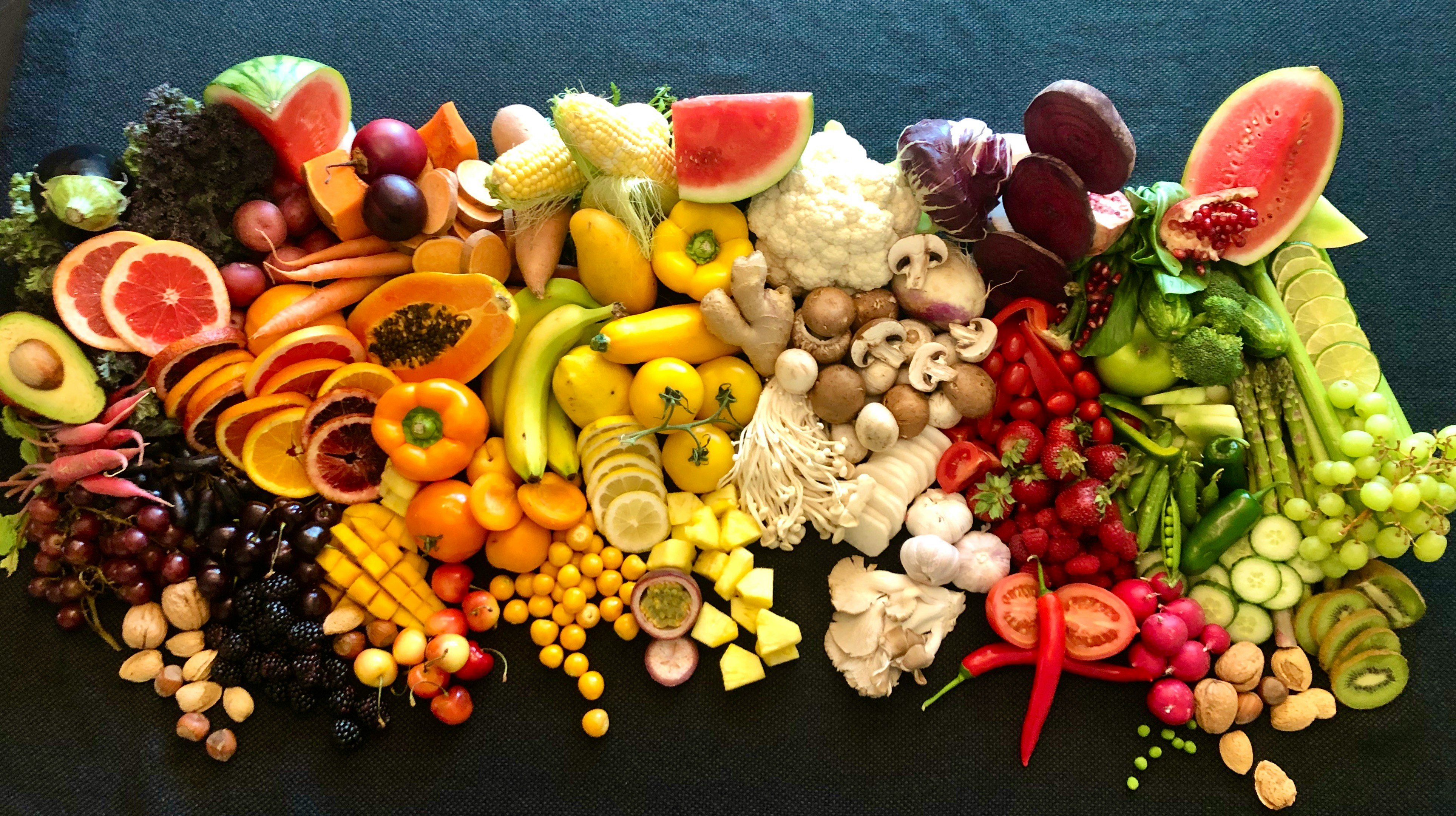
In 2026, fibre becomes the nutritional spotlight. For weight loss specifically, fibre creates fullness on fewer calories. It stabilises blood sugar, reducing cravings. It feeds beneficial gut bacteria, improving digestion and metabolism.
Indian cuisine is naturally fibre-rich if you make conscious choices. Moong sprouts, chickpeas, black lentils, brown rice, and whole wheat flour are staples we've always had. The change isn't discovering new foods. It's prioritising them strategically.
Practical Application:
For breakfast, mix chia seeds into yoghurt or stir ground flaxseed into oatmeal. At lunch, swap white rice for brown rice or quinoa. Add half a cup of black lentils to your meal. At dinner, load your plate with non-starchy vegetables like spinach, broccoli, or asparagus alongside wholegrains.
The key is a gradual increase. Jump from 15g fibre daily to 30g overnight, and you'll experience bloating. Increase by approximately 5g every week. Your gut bacteria adapt as you progress.
Change 2: Stop Tracking Calories, Start Listening To Hunger
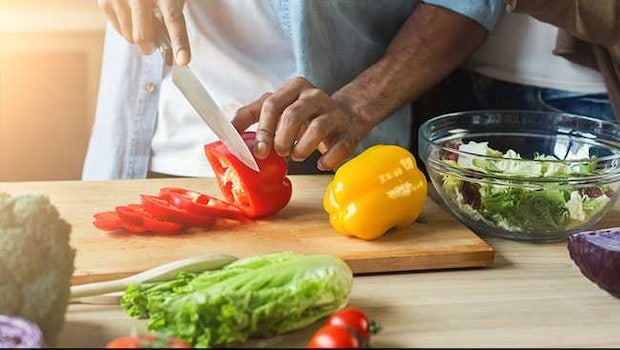
Photo Credit: iStock
Calorie-tracking apps are demonstrably inaccurate. They drive anxiety. They create food rules that disconnect you from your body's actual needs. In 2026, the shift moves toward intuitive eating, trusting your body's internal signals of hunger and fullness.
Research shows that greater interoception, especially awareness of hunger and fullness cues, correlates with lower levels of disordered eating behaviours. Your body knows what it needs. Modern life just makes you too busy and stressed to listen.
Practical Application:
Instead of tracking, eat slowly. Notice when you feel genuinely hungry versus bored, stressed, or thirsty. Finish meals when you feel 70-80% full, not when your plate finishes. This sounds simple but requires genuine practice. Most of us eat mechanically without presence.
For Indian meals specifically, this means savouring dal slowly rather than eating it as fuel. Taste each spice in the curry. Noticing when your body feels satisfied rather than when you've finished the serving.
Change 3: Make Beans And Legumes Your Protein Foundation
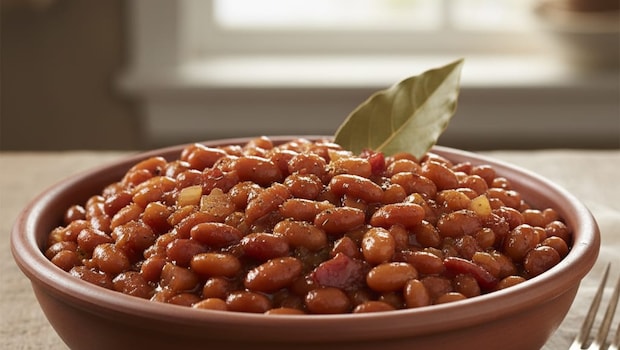
2026 is the year of the bean. Every 50g of beans or legumes consumed daily is associated with a six per cent lower all-cause mortality risk. Beans are simultaneously protein-forward, plant-based, high-fibre, sustainable, affordable, and genuinely filling.
Why This Matters For Weight Loss:
Beans keep you full for hours. They don't spike blood sugar. They contain approximately 15-20g of protein per cooked cup alongside 8-10g of fibre. Compared to processed protein sources, beans outperform dramatically on every metric.
Practical Application For Indians:
This is genuinely easy because Indian cuisine already celebrates beans. Rajma (kidney beans), chole (chickpeas), moong (mung beans), urad (black lentils). Add beans to everything: dal, curries, salads, or as a simple salted snack. Start with two to three tablespoons of beans per meal and build gradually to avoid bloating.
Rinse canned beans thoroughly before using them. This removes fermentable carbohydrates that cause bloating. Most importantly, approach beans as the protein source rather than as an accessory. A bowl of well-spiced rajma with brown rice becomes a complete meal.
Change 4: Build “Hunger-Crushing Combos” For Sustained Energy
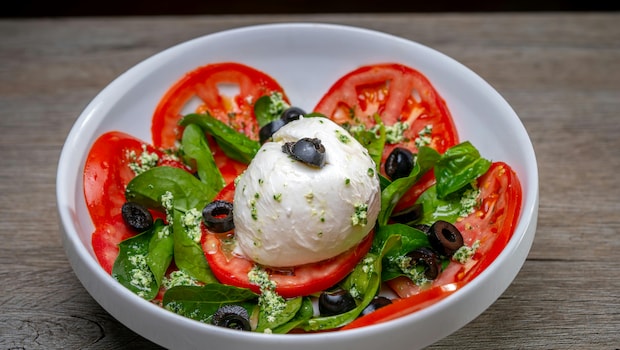
Photo Credit: Pexels
This works because three components create satiety: protein, fibre, and healthy fats. Together, they keep blood sugar stable, prevent crashes, and maintain fullness for hours.
Indian Examples:
Instead of snacking on biscuits or packaged foods, try cottage cheese (paneer) with berries and almonds. Or fresh mozzarella with cherry tomatoes and olives. Or snap peas with guacamole and roasted chickpeas. The combination prevents the blood sugar spike and crash that drives overeating.
For Indians specifically: Greek yoghurt with sliced mango and almonds. Hummus with vegetables and nuts. Chickpea flour (besan) pancake with curd and berries. The key isn't discovering exotic ingredients. It's combining what you already have strategically.
Why This Changes Weight Loss:
When you include protein, fibre, and healthy fat together, your body processes food differently. Digestion takes longer. Blood sugar rises gradually. Hormone signals that create fullness remain activated longer. You naturally eat less without restriction.
Change 5: Prioritise Nutrient Density Over Calorie Counting

The Shift:
Instead of asking “how many calories,” ask “how many nutrients?” Nutrient-dense foods provide maximum health benefit relative to calories consumed. A bowl of spinach curry with tofu contains far fewer calories than a pastry, yet keeps you fuller longer because every calorie delivers nutritional value.
Building Your Plate:
Include lean protein (dal, fish, tofu, chicken). Include wholegrains (brown rice, quinoa, whole wheat). Include plenty of vegetables (at least half your plate). Include healthy fats (nuts, seeds, coconut, groundnut oil).
This automatically creates a calorie deficit without restriction because real food satisfies more completely than processed alternatives.
Change 6: Stop Demonising Foods, Eat Everything Mindfully

Photo Credit: Pexels
The Problem With Restriction:
When you label foods as “junk” or “bad,” you create unhealthy psychological relationships with eating. Restricted foods become obsessed foods. This drives binge eating and failure.
The Reality:
No food is inherently bad. Some foods have higher nutritional value than others. That doesn't mean permanently eliminating enjoyable foods. It means eating them in appropriate portions, with intention rather than guilt.
Practical Application:
If you love samosas, have one samosa with dal and vegetables rather than three with sugary drinks. If you love sweets, have a small portion with meals rather than between meals on an empty stomach. This prevents blood sugar spikes that increase cravings.
Also Read: When Is Lohri 2026? Timings, Traditions And 5 Classic Festive Recipes
Change 7: Build Your Diet Around Sustainable Habits, Not Perfection
Research shows that people lose weight and maintain it when they focus on sustainable changes rather than dramatic overhauls. Small changes repeated consistently create permanent shifts. Perfection creates stress and failure.
The Reality Of Indian Lifestyles:
You have weddings. Family gatherings. Festivals. Your diet won't be perfect. It shouldn't be. Health comes from how you eat 80% of the time, not obsessing about 20%. Build habits that survive real life.
Monthly Realistic Goals:
Aim to lose 2 kilograms monthly. That's 24 kilograms yearly, which is genuinely significant and sustainable. Faster weight loss causes metabolic adjustment, hunger amplification, and eventual regain. Slower change works.
A Simple One-Week Sample Diet
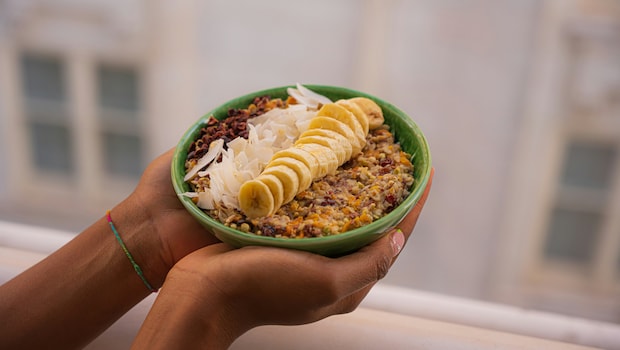
Photo Credit: Unsplash
Monday:
- Breakfast: Oatmeal with chia seeds, berries, and almonds
- Lunch: Brown rice with rajma curry, spinach salad
- Dinner: Grilled fish with sweet potato and broccoli
Tuesday:
- Breakfast: Greek yoghurt with ground flaxseed and mango
- Lunch: Chickpea salad with vegetables and lemon dressing
- Dinner: Moong dal with brown rice and sautéed vegetables
Wednesday:
- Breakfast: Whole wheat toast with almond butter and banana
- Lunch: Lentil soup with whole-grain bread
- Dinner: Tofu stir-fry with brown rice and mixed vegetables
Thursday:
- Breakfast: Besan pancake with curd and berries
- Lunch: Mixed vegetable and bean salad with nuts
- Dinner: Chicken curry (made with yoghurt, not cream) with brown rice
Friday:
- Breakfast: Semolina upma with vegetables and peanuts
- Lunch: Black lentil (urad) curry with roti and salad
- Dinner: Steamed fish with quinoa and asparagus
Saturday:
- Breakfast: Mixed fruit with almonds and seeds
- Lunch: Chickpea and vegetable curry with brown rice
- Dinner: Grilled paneer with peppers and whole wheat roti
Sunday:
- Breakfast: Poha (flattened rice) made with vegetables and peanuts
- Lunch: Mixed dal with brown rice and cooked greens
- Dinner: Vegetable soup with beans and whole grain bread
Hydration: The Overlooked Foundation

Drinking enough water supports digestion, keeps skin healthy, controls appetite, and improves metabolism. Dehydration often masquerades as hunger. Before reaching for food, drink water. The government recommends 6-8 glasses daily.
For Indians, this means herbal tea counts. Masala tea with less sugar counts. Coconut water counts. The key is avoiding sugary drinks that add calories without nutrition.
Also Read: Guti Aloo Fry: The Assamese Potato Dish You'll Fall In Love With
Weight loss in 2026 looks nothing like weight loss in 2016. It's not about punishment or restriction. It's about small, sustainable changes that align with how your body actually works. It's about listening rather than forcing. About nourishment rather than deprivation. About understanding that Indian cuisine, with its heritage of spices, beans, and whole grains, already provides everything you need for sustainable weight loss. You don't need expensive superfoods or foreign diets. You need patience, consistency, and genuine attention to what your body actually needs. These seven changes represent that approach. Implement them gradually. Skip what doesn't work. Personalise what does. In 12 months, you'll be genuinely surprised at what consistency creates.