


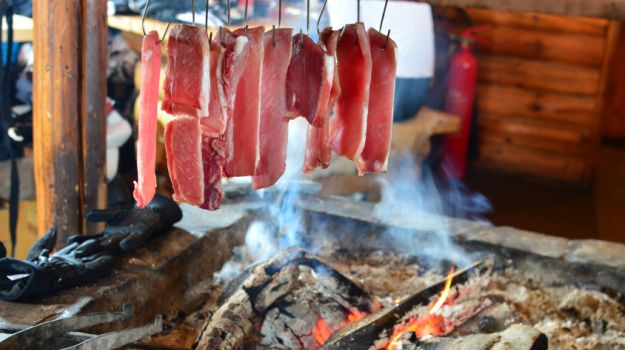
Walk through a village in Nagaland or Assam during winter, and you notice something immediately: the air tastes smoky. Not aggressively so. Gently, persistently, everywhere. That smoke comes from fires burning in homes and community spaces, slowly smoking meat hung above hearths. The practice has continued for centuries, possibly millennia. Smoke meat is the undisputed foundation of northeastern cuisine. It appears in everyday meals and celebratory feasts. It defines how these communities understand preservation, tradition, and connection to land. Yet remarkably, smoked meat from the northeast remains largely invisible in mainstream Indian food narratives. Whilst butter chicken and biriyani conquered Indian restaurants globally, smoked meat stayed local, shared primarily within communities that created it. This invisibility isn't about quality. It's about representation. Northeast India has over 200 ethnic groups. Each has its own smoking tradition. Each has recipes stretching back generations. Each deserves recognition.
Understanding smoked meat traditions is understanding something genuinely important: how climate shapes cuisine, how ecology drives innovation, and how food cultures communicate across borders without ever needing permission to do so.
Also Read: Why You Should Have Peanuts With Jaggery This Winter
What Smoked Meat Actually Means In The Northeast

More Than Preservation:
Smoking meat isn't just a technique in the northeast. It's a cultural practice, a form of food security, a way of honouring seasonal abundance. When seasonal meat is available, smoking ensures it sustains families through scarcity. But the cultural weight extends beyond practicality. Smoking represents a connection to ancestors, to land, to rituals that cement community bonds.
The Philosophy:
According to Chef Atul Lahkar, Chief Ambassador for Assam at the India Food Tourism Organisation, “Smoking is not just a technique. It is a strong connection to the roots. Through smoking, we carry the wisdom of generations and hundreds of community recipes. Many social customs, rituals, and festive traditions revolve around smoked and fermented food.”
This understanding transforms how you approach smoked meat. It's not merely about extending shelf-life. It's about honouring tradition, respecting ingredients, and understanding food as cultural inheritance.
Why Climate Created Smoking Culture

The Environmental Reality:
Northeast India receives heavy rainfall. Humidity lingers even in the plains. Before modern refrigeration, preserving food in such conditions required reliable methods. Sun-drying proved unreliable. Salting alone created monotony. Smoking emerged as the most practical solution because it functioned reliably in humid conditions and used resources abundantly available in forested regions.
Traditional Infrastructure:
Most northeastern homes feature traditional stilt houses with central hearths burning continuously. These houses accidentally functioned as natural smoke chambers. Communities discovered that meat hung above these fires preserved beautifully whilst absorbing complex flavours. What began as an environmental adaptation became a cultural practice.
The Ecological Advantage:
Unlike mainland India, which relied on sun-drying, pickling, and heavy spicing, the northeast developed smoking and fermentation because forest ecology and climate made these methods inevitable. As Chef Lahkar explains, “Pickling and smoking are both preservation arts, but smoking became our ancestral technique because it suited our homes and our rhythm of life.”
This isn't a cultural choice in the modern sense. It's survival ingenuity becoming cultural identity.
The Techniques: More Complex Than You Realise
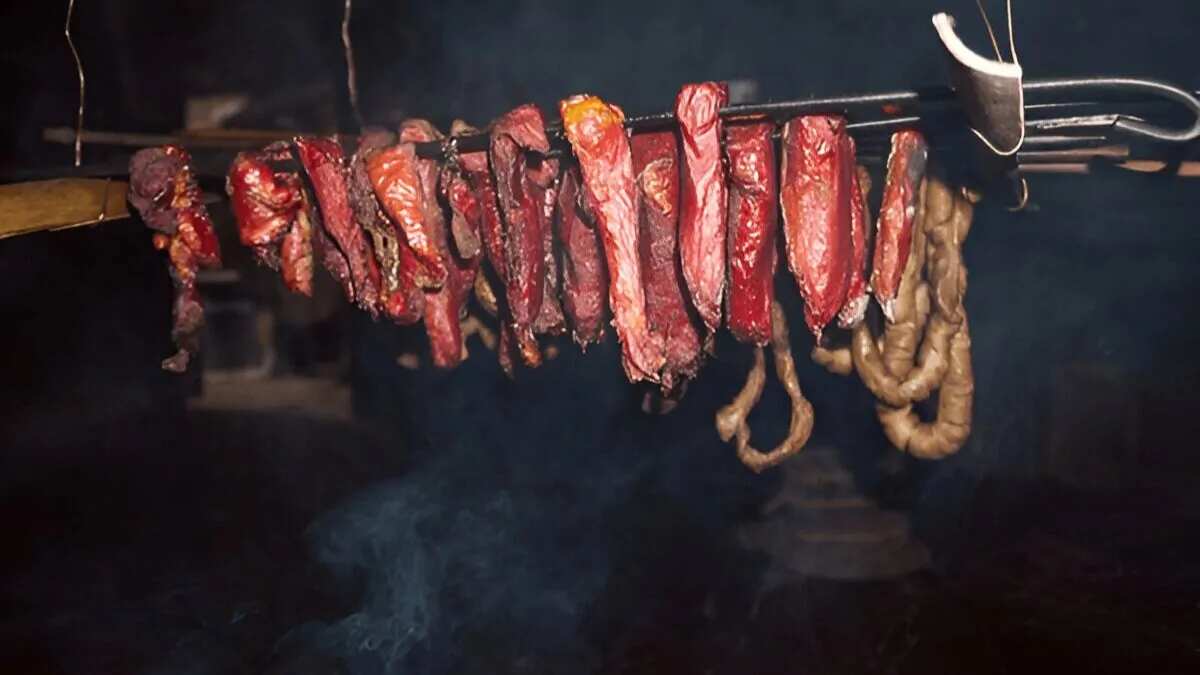
According to Diganta Saikia, co-founder of Manxho (a brand specialising in heritage smoked meat products), there are two main smoking approaches in the northeast:
Method One: Cold Smoking Fresh Meat
Fresh meat is salted, cured for several days, and then smoked slowly over a steady fire using specific woods. The curing stage is crucial. Salt draws moisture out whilst creating an environment where beneficial fermentation begins. The smoking follows, usually lasting 24 to 72 hours, depending on meat thickness and desired intensity. The result is dense, deeply flavoured meat that keeps for months.
Method Two: Hot Smoking Boiled Meat
Meat is boiled first, then smoked. Boiling partially cooks the meat and changes its texture. When smoked afterwards, the meat absorbs smoke flavour differently than raw cured meat. The result is softer, lighter, with smoky undertones rather than deep smoke flavour. Different communities prefer different approaches based on traditional techniques and available resources.
Also Read: 8 Iconic Restaurants Across India Serving History For Over 100 Years
Wood Selection Matters Enormously:
Saika emphasises that wood selection determines the final flavour. The northeast uses roughly for types of wood, each imparting different characteristics. Hardwood creates deeper smoke. Fruitwoods add sweetness. Forest wood contributes to earthiness. The choice depends on what meat is being smoked, desire intensity, and what the local forest provides.
This attention to detail rivals any professional smoking operation globally. The difference is that this knowledge remains tribal and community-based rather than commercialised.
Connection To Southeast Asia
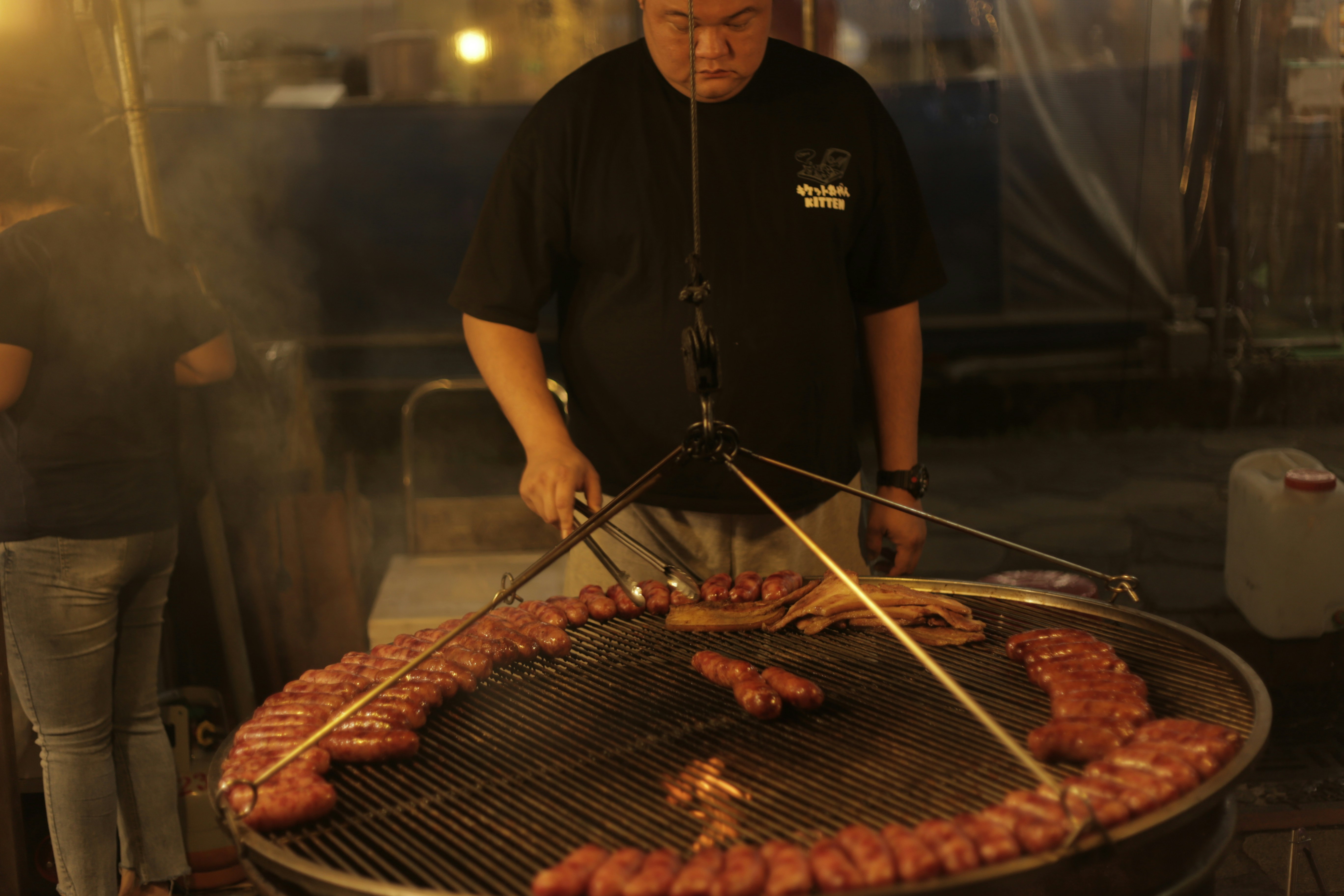
More than 200 ethnic groups inhabit northeast India. Many trace ancestry to Tibeto-Burman and Austroasiatic peoples who migrated from southern China, Myanmar, Thailand, Vietnam, Laos, Cambodia, and Malaysia thousands of years ago. They brought preservation techniques with them: smoking meat, fermenting bamboo shoots, pickling with salt or ash, and making dried meat stocks.
In China's Yunnan province and Myanmar's Chin Hills, pork smokes above household hearths and appears in simple broths. In Laos and northern Thailand, dried or lightly smoked meats pair with fermented bamboo shoots daily. These techniques mirror exactly what you find in Naga, Mizo, Khasi, and Assamese kitchens. The similarity isn't accidental. It reflects shared ancestry and shared environmental adaptation.
Remarkably, most Indians don't recognise this connection. When discussing Southeast Asian cuisine globally, northeastern Indian smoked meat traditions remain invisible. Yet the culinary lineage is direct. Understanding northeastern smoked meat is understanding something genuinely Southeast Asian, but geographically and politically positioned as Indian.
The Recipe To Try: Urad Dal With Smoked Meat (Bodo Tradition)

Ingredients (Serves 4-6):
- 200g black lentil (urad dal)
- 500g smoked meat (pork or chicken)
- 2 onions, finely chopped
- 10 garlic cloves, crushed
- 4 green chillies, slit
- 4 tablespoons mustard oil
- 1 cup alkaline water (khaar)
- Salt to taste
- Water as required
Method:
Heat the mustard oil until it releases its sharp, nutty aroma. This aroma is crucial. Mustard oil's pungency cuts through smoke and creates balance. Add onions, garlic, and green chillies. Fry gently until soft and golden. This tempering process builds the foundation.
Add the smoked meat and fry continuously so it absorbs the aromatics. This step is non-negotiable. The meat must interact with the hot oil and spices, allowing smoke flavours to develop further. Season with salt and pour alkaline water.
This is the distinctly Bodo element. Alkaline water tenderises the meat and gives the gravy earthiness impossible to achieve otherwise. Most Indian cooks unfamiliar with this tradition use regular water. That fundamentally changes the dish.
Add soaked black lentils and fry everything together briefly. Pour enough water to cover the ingredients and bring to boil. Simmer gently until the meat becomes tender, and the lentils break down into a thick gravy. The final texture should be hearty with smokiness shining through every spoonful. Serve with steamed rice.
Pro-Tip:
Soak black lentils overnight. This softens them and develops natural sweetness. Rinse smoked meat briefly in hot water to clean the surface whilst preserving the aroma. Cook slowly. Rushing creates inferior results. The dish tastes best when the smoke, alkaline, and lentils melt together naturally.
Smoked Pork With Fermented Soybean (Axone)
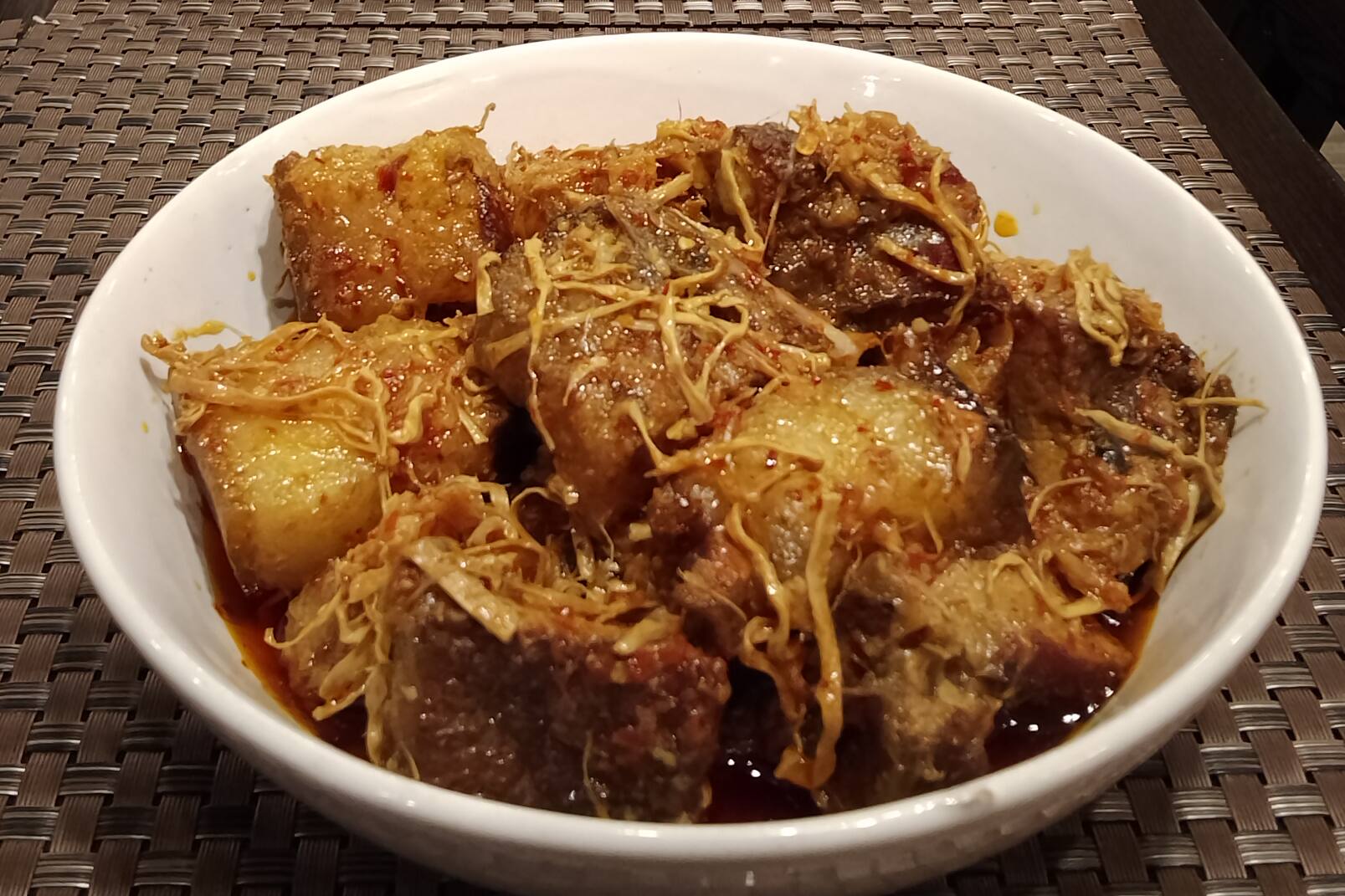
Ingredients (Serves 4):
- 600g smoked pork (cubed or sliced)
- 1/2 cup fermented soybean (axone), rinsed
- 3 tablespoons oil
- 2 onions, roughly chopped
- 6 garlic cloves, crushed
- 3-4 green chillies, slit
- 1 inch ginger, crushed
- Turmeric powder 1/2 teaspoon
- Salt to taste
- Fresh coriander leaves
- Water as needed
Method:
Heat oil in a wok. Add onions, garlic, ginger, and green chillies. Fry until aromatic. Add smoked pork and fry for 3-4 minutes, allowing it to sear slightly. This creates textural contrast. Add turmeric powder and stir. Add rinsed fermented soybean. This is the signature element. Axone tastes pungent, funky, and absolutely delicious when used properly. Fry everything for 2 minutes so flavours combine.
Pour enough water to create a light curry consistency. Bring to a boil and simmer for 15-20 minutes until flavours meld. The pork should stay tender, not become mushy. Finish with fresh coriander. Serve with rice.
The Axone Element:
Fermented soybean (axone) is essential. Store-bought versions exist online, but homemade fermented soybean tastes superior. The funk and umami it adds create something genuinely different from any other Indian curry. If unavailable, this dish loses its soul.
Why Smoked Meat Is Missing From Indian Food Narrative
Long before modern connectivity, northeast India remained on the margins of cultural exchange. The region wasn't deliberately excluded. Geography simply made interaction with mainland India less frequent than with Southeast Asia. This physical separation created independent food traditions that developed without mainstream Indian influence.
Much of Indian food history intertwines with religion and caste. Ideas of purity shaped eating patterns across much of India. Food choices in the northeast, however, were guided by ecology rather than theology. This fundamental difference created quiet division. Whilst mainland India debated spices and preparation methods through religious lenses, the northeast refined preservation arts independently.
Smoked meat traditions rely on local ingredients often unavailable elsewhere. Without these specific woods, without access to fermented bamboo shoots and axone, without understanding traditional techniques, recreating authentic dishes outside the northeast proved genuinely difficult. This ingredient barrier limited how widely the cuisine could spread.
Indian food narratives in films, television, and popular writing prioritised specific cuisines whilst rendering others invisible. The issue wasn't taste. It was visibility and access. Smoked meat from the northeast simply wasn't part of conversations that shaped Indian food identity nationally.
The Shifting Landscape: Slow Recognition
Urban Discovery:
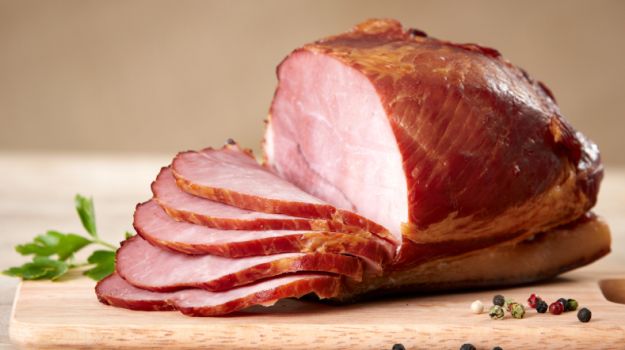
Northeastern cuisine is finding niche in Indian metros. Restaurants like Hornbill in Delhi (founded 2015) and Gitika's PakGhor in Mumbai (founded 2014) pioneered introduction of smoked meat to mainstream diners. These restaurants faced scepticism initially but gradually built audiences through consistency and storytelling.
Cultural Catalysts:
Festivals like the Hornbill Festival in Nagaland introduced mainland diners to authentic flavours. People attending festivals would later seek these flavours in restaurants, creating demand. Migration also shaped this exchange as students and professionals from the northeast introduced friends and colleagues to smoked meat gradually, spreading the cuisine person to person.
Broader Palate Shift:
BBQ and grilled culture becoming mainstream helped. Smoked meat flavours naturally align with these preferences. As Indian palates opened to grilled dishes and smoking techniques, acceptance of northeastern smoked traditions increased.
Also Read: Guti Aloo Fry: The Assamese Potato Dish You'll Fall In Love With
Smoked meat traditions in northeast India represent something profoundly important: adaption born from necessity becoming cultural identity. Climate and geography didn't just shape what people ate. They shaped how entire communities understood preservation, tradition, and connection to place. The remarkable invisibility of these traditions in mainstream Indian food discourse represents a lost opportunity to understand ourselves better. When you eat smoked meat from the northeast, you're eating food that bridges Southeast Asia and India, that survives without modern refrigeration, that tastes complex without aggressive spicing. You're eating food that proves Indian cuisine is vastly more diverse than popular narratives suggest. Supporting and celebrating northeastern smoked meat traditions isn't about trendy food discovery. It's about recognition, about visibility, about understanding that some of India's most important food traditions remain quietly, unjustly unknown.