




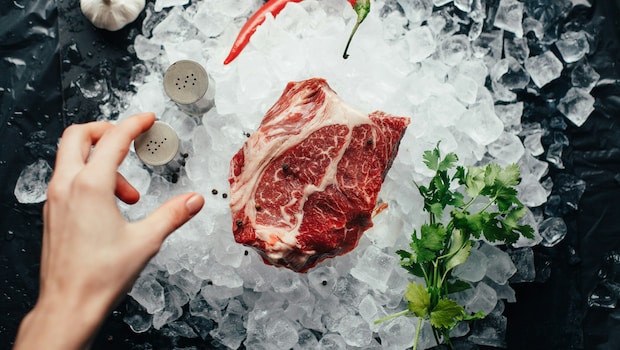
Forgot to take the meat out of the freezer before cooking? It happens to the best of us. While leaving frozen meat on the kitchen counter may seem like the quickest solution, food safety experts warn that it can increase the risk of bacterial growth, especially in peak summer. The good news? There are several safer and faster ways to defrost meat without affecting its texture or flavour. Knowing the right method can make all the difference between a rushed meal and safe cooking. Here are some practical kitchen hacks that can help you thaw frozen meat quickly when you're short on time.
Also Read: From Watermelon Rind To Melon Seeds, 7 Ways To Use Fruit Scraps At Home
Here Are 5 Safe Ways To Defrost Meat Faster Without Ruining Texture
1. Use The Cold Water Method
Photo: Pexels
One of the quickest and safest ways to defrost meat is by placing it in a bowl of cold water. Make sure the meat is sealed properly in a leak-proof bag before submerging it.
- Change the water every 20–30 minutes
- Keeps the temperature safely low
- Smaller cuts may thaw within an hour
Larger portions may take longer, but this method remains one of the most reliable for quick defrosting without compromising texture.
2. Flatten Meat Before Freezing
This step happens before freezing but makes a major difference later. Instead of storing meat in thick blocks, flatten it into thin, even layers in freezer-safe bags.
- Thin portions defrost much faster
- More even thawing, fewer cold spots
- Saves storage space in the freezer
This method ensures you don't have to struggle with uneven thawing or long waiting times later.
3. Try The Metal Pan Trick
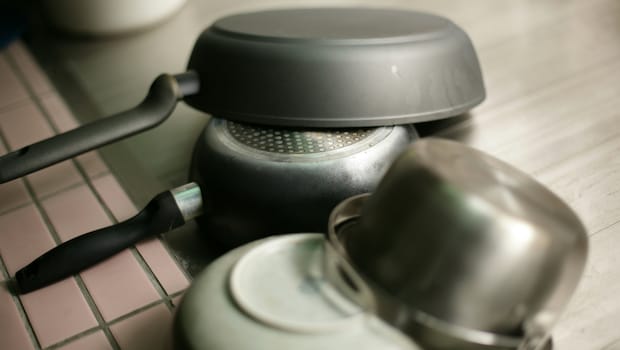
Photo: Unsplash
This lesser-known hack works surprisingly well. Place the sealed frozen meat between two metal pans or on an upside-down metal tray.
Metal conducts heat efficiently, helping transfer room temperature warmth to the meat more quickly than other surfaces.
- Works best for smaller cuts
- No water or electricity needed
- Helps speed up natural thawing
4. Use The Microwave Defrost Setting Carefully
Most microwaves come with a defrost mode that can thaw meat within minutes. However, this method requires close attention.
- Defrost in short intervals
- Flip the meat regularly
- Cook immediately after thawing
If left too long, certain areas may start cooking, which can affect both texture and taste.
5. Portion Meat Smartly Before Freezing
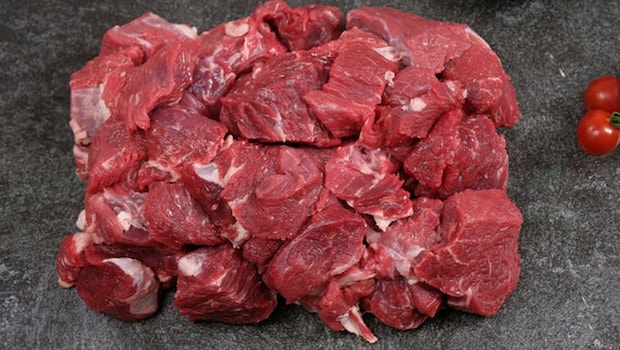
Photo: Unsplash
Instead of freezing large chunks, divide meat into smaller, single-use portions before storing. This is different from flattening - here the focus is on quantity, not thickness.
- Smaller portions thaw faster overall
- Easier to control cooking quantities
- Reduces repeated thawing and refreezing
This method is especially useful for everyday cooking, where you rarely need the entire batch at once.
What Is The Safest Way To Defrost Meat?
While quick methods are helpful, food safety experts still recommend slow, controlled thawing whenever possible. The safest way to defrost meat is in the refrigerator, as it keeps the meat at a consistent, safe temperature.
Here's what to know:
- Refrigerator thawing is the safest method
- Keeps meat below bacteria growth temperatures
- Works best for overnight planning
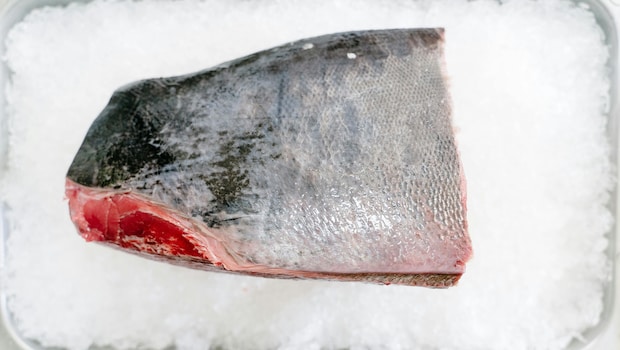
Photo: Pexels
However, if you are short on time:
- Cold water method is the fastest safe alternative
- Microwave should only be used for immediate cooking
Each method has its place, but the key is to avoid exposing meat to room temperature for too long.
Also Read: This Nepali Chukani Will Add A Tangy Twist To Your Meal
Can You Refreeze Defrosted Meat?
This is one of the most common kitchen doubts. The answer depends on how the meat was thawed.
You can refreeze if:
- Meat was thawed in the refrigerator
- It has not been left out for long
- There are no signs of spoilage
Avoid refreezing if:
- Meat was thawed at room temperature
- It has been sitting out for hours
- It was defrosted using warm or hot water
Refreezing improperly thawed meat can affect both safety and texture, so it's best to handle it carefully. The next time you forget to defrost dinner in advance, these smart techniques can help you save time without compromising safety or quality.