

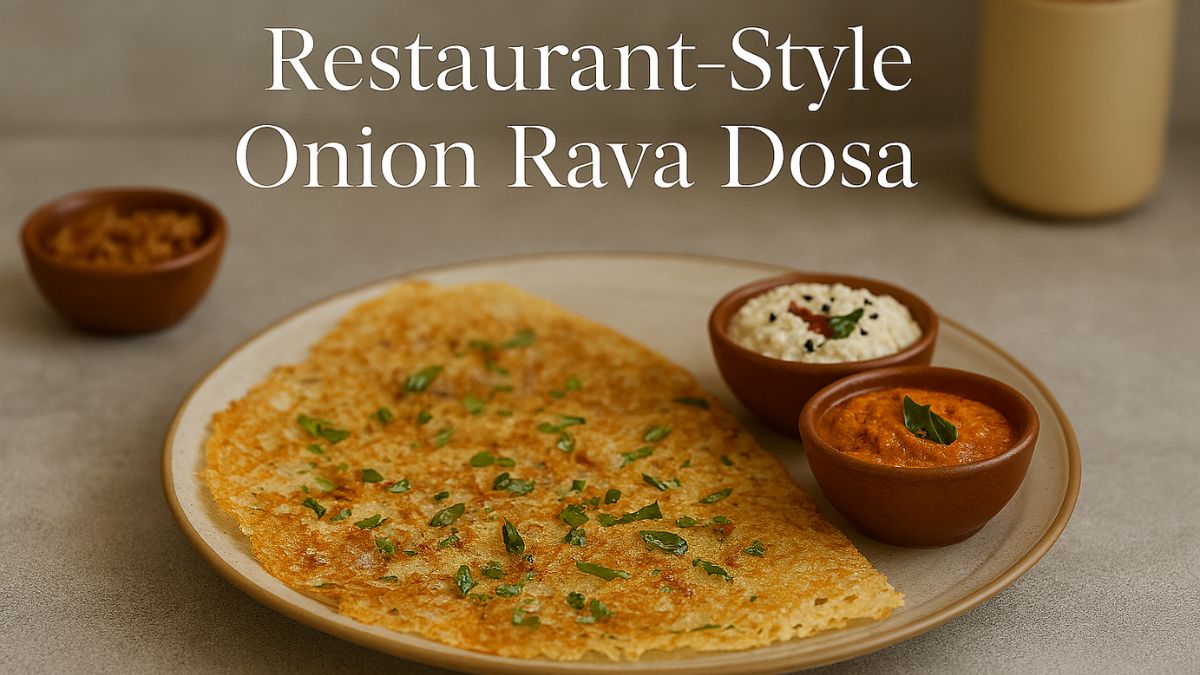
There's something about a crisp onion rava dosa that feels instantly indulgent. Paper-thin, lacy around the edges, dotted generously with onions and green chillies, and crackling as you tear into it. It is the kind of dosa most of us associate with good South Indian restaurants, where the tawa is always hot and the batter somehow behaves perfectly. Making it at home can feel tricky, especially when it turns soft or uneven. But the truth is, onion rava dosa doesn't need fermentation or fancy equipment, just a few small techniques done right. And while your favourite food delivery app can always deliver a great dosa in minutes, mastering it at home is deeply satisfying. If you are planning to take your taste buds on a roller-coaster ride, these tips will help you get that restaurant-style crunch.











Also Read: How To Make Besan Ka Sheera At Home For Winter
Here Are 5 Tips To Make Restaurant-Style Onion Rava Dosa
1. Keep The Batter Thin And Free-Flowing
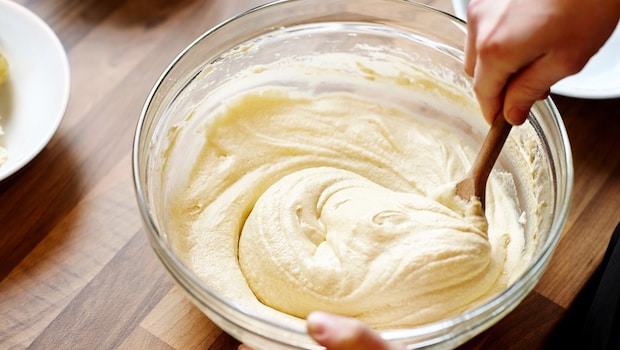
Onion rava dosa batter should be much thinner than regular dosa batter. Think buttermilk consistency, not pancake batter. A thick batter will spread poorly and give you a soft dosa instead of a crisp one. Always whisk the batter well before pouring, as rava tends to settle at the bottom. If needed, add a little water just before cooking. A thin, well-mixed batter is what creates those signature holes and lacy edges that define a proper restaurant-style onion rava dosa.
2. Never Spread The Batter Like A Regular Dosa
This is where most people go wrong. Onion rava dosa is not spread with a ladle. Instead, pour the batter from the outside towards the centre in a circular motion. The gaps will fill naturally as the batter spreads on the hot tawa. This pouring technique creates the net-like texture that makes the dosa crisp. Trying to spread it will break the structure and make it dense. Trust the batter and let gravity do the work.
3. Start With A Properly Hot Tawa Every Time
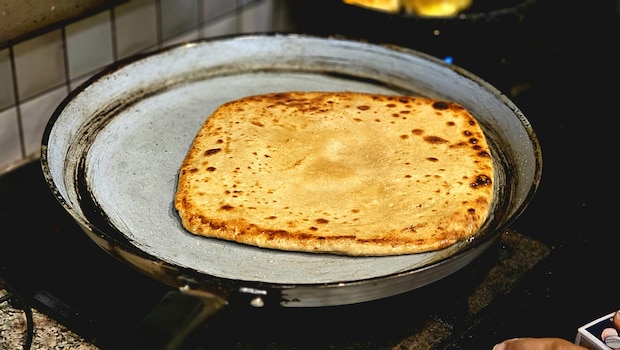
Photo: Pexels

A screaming hot tawa is non-negotiable. Sprinkle a few drops of water on the surface; they should sizzle and evaporate instantly. If the tawa isn't hot enough, the batter will stick and turn limp. If it's overheated, the batter won't spread properly. Maintain medium-high heat and lightly grease the tawa between dosas. Also, avoid non-stick pans if possible. A well-seasoned cast-iron or heavy steel tawa gives the best colour and crunch.
4. Add Onions And Spices Directly On The Tawa
Instead of mixing onions into the batter, sprinkle finely chopped onions, green chillies, curry leaves and coriander directly onto the tawa after pouring the batter. This ensures even distribution and prevents the batter from becoming watery. Press the toppings lightly so they stick to the dosa. This method gives you better texture and that classic restaurant-style look, with onions embedded neatly into the crisp surface rather than sinking to the bottom.
5. Let The Dosa Cook Undisturbed Until Crisp
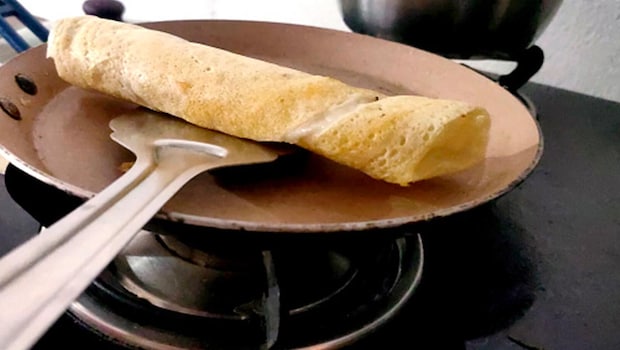
Patience is key. Onion rava dosa should cook uncovered and undisturbed until the edges lift on their own and turn golden brown. Drizzle oil or ghee only around the edges and into the centre holes, not all over. Don't flip the dosa; it's meant to be cooked on one side only. Rushing this step will leave you with a soft centre. A well-cooked dosa should lift off the tawa cleanly and crackle when folded.
Why Onion Rava Dosa Often Turns Soft At Home
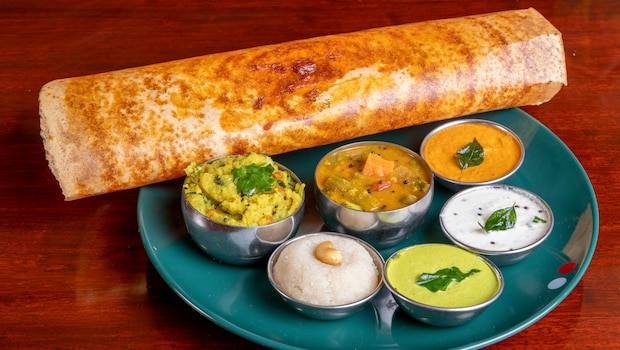
Photo: Unsplash
Here are some reasons why your homemade onion rava dosa turns soft:
- Batter is too thick
- Tawa temperature is inconsistent
- Too much oil added early
- Dosa flipped before it crisps
- Batter not mixed before each pour
Best Chutneys To Serve With Onion Rava Dosa
Here's what onion rava dosa tastes best with:
- Coconut chutney with roasted chana dal
- Tomato garlic chutney
- Onion chutney with a hint of tamarind
- Sambar with a slightly thinner consistency
Also Read: How To Make High-Protein Chana Paneer Samosa Without Frying For Guilt-Free Snacking
How To Keep Dosas Crisp For Longer
Use a well-seasoned, hot tawa
A properly heated cast-iron or steel tawa ensures instant evaporation of moisture, which is key to crisp dosas. If the tawa is even slightly cool, the batter absorbs oil instead of crisping up.
Keep the batter thin and well-stirred
Thin batter spreads naturally and cooks evenly, creating a lace-like texture. Always stir before pouring, as heavier flours settle at the bottom and can make dosas soft and doughy.
Cook on medium heat, not high
High heat browns the dosa too quickly without drying out moisture inside. Medium heat allows slow, even crisping, giving you that restaurant-style crunch.
Drizzle oil around the edges, not the centre

Oil at the edges helps the dosa lift and crisp properly. Too much oil in the centre can trap steam, making the dosa limp within minutes.
Avoid stacking dosas immediately
Stacking traps steam and kills crispness. Place dosas separately on a wire rack or wide plate if serving multiple, even if just for a few minutes.
Serve straight off the tawa
Dosas lose crispness quickly once they cool. For best texture, serve immediately with chutney and sambar rather than letting them sit covered.
So, what are you waiting for? Make onion rava dosa at home with this recipe, and for days when you don't feel like cooking, order it quickly from your favourite food delivery app.
Disclosure: This article may contain links to third-party websites or resources. However, this does not affect the integrity of the content, and all recommendations and views are based on our independent research and judgment.