


Christmas isn't complete without the rich aroma of a freshly baked plum cake wafting through the house. I, for one, can't imagine the festival without digging into the moist goodness. This classic festive treat, packed with dried fruits, nuts, and a hint of spice, is more than just a dessert for me, it's a tradition that brings families together. But here's the secret: a great plum cake isn't made overnight. It's all about planning, prepping, and letting flavors mingle well before the big day. If you are trying your hand at this holiday favorite for the first time, a little preparation goes a long way. From soaking fruits to choosing the right spices, here are some essential tips that I always follow to ensure my plum cake turns out moist, flavorful, and absolutely irresistible.
Why Is Plum Cake Made for Christmas?
Plum cake has been a Christmas staple for centuries, tracing its roots back to England's traditional plum pudding. Over time, the recipe evolved into a rich fruit cake, symbolising abundance and celebration. The dried fruits and nuts represent prosperity, while the warm spices evoke comfort during winter. In many cultures, baking a plum cake is a family ritual-everyone gathers to mix the fruits, often making a wish for the coming year.
Also Read: Christmas Around The World - 9 Popular Foods That Form The Tradition
Why Are Dried Fruits Soaked in Advance?
Soaking dried fruits is the secret to a luscious plum cake. When fruits like raisins, prunes, and cherries are soaked in alcohol or juice, they absorb moisture and flavor, becoming plump and juicy. This process prevents them from drawing moisture out of the cake batter during baking, which could make the cake dry. Alcohol also acts as a natural preservative, allowing the cake to mature beautifully over time. The longer the soak, the deeper the flavors-think of it as marinating your fruits for a burst of festive goodness in every bite.
Also Read: 17 Christmas Dinner Recipes You'll Love
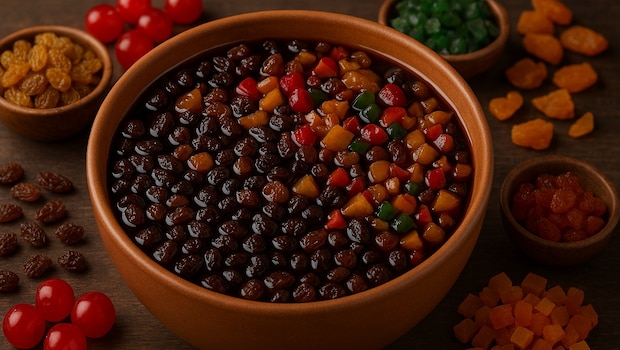
Fruits are soaked in advance for plum cake
Here Are 7 Tips To Prepare Christmas Plum Cake:
1. Start Early with Fruit Soaking
The soul of a plum cake lies in its medley of dried fruits-raisins, prunes, cherries, apricots, and candied peels. To achieve that deep, boozy flavor, soak these fruits in rum, brandy, or even orange juice if you prefer a non-alcoholic version. Ideally, start soaking at least two weeks before Christmas, but even a few days can make a difference. Store the mixture in an airtight jar, give it a gentle shake every day, and watch the magic happen as the fruits plump up and absorb all that goodness.
2. Choose Quality Ingredients
A plum cake is all about layers of flavor, so don't compromise on quality. Use fresh, unsalted butter for richness, good-quality flour for structure, and farm-fresh eggs for that perfect crumb. When it comes to spices-cinnamon, nutmeg, cloves-opt for whole spices and grind them yourself for maximum aroma. These little details elevate your cake from good to unforgettable.
Also Read: Plum Cake And More: 7 Cake Recipes You Must Try This Winter
3. Prep Your Nuts and Fruits
Before mixing, chop your nuts and larger dried fruits into bite-sized pieces. Toss them in a little flour to prevent them from sinking to the bottom of the cake during baking. This simple trick ensures an even distribution of fruits and nuts in every slice.
4. Line and Prepare Your Pan
Plum cakes bake low and slow, so proper pan preparation is key. Line your cake tin with parchment paper and wrap the outside with a layer of newspaper or foil to prevent over-browning. This insulation helps the cake bake evenly without drying out.
5. Don't Rush the Mixing
Cake mixing is an important step. Cream the butter and sugar until light and fluffy-this step traps air and gives your cake a tender texture. Add eggs one at a time, beating well after each addition. Fold in the flour gently, alternating with the soaked fruits, to avoid knocking out the air. Patience here pays off in a beautifully moist cake.
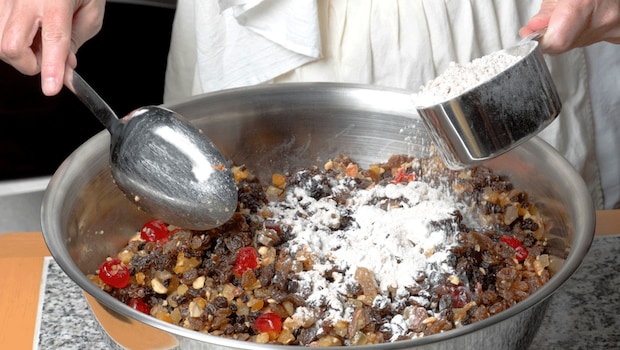
Cake mixing for Christmas is an age-old custom.
Photo Credit: iStock
6. Bake Low and Slow
Plum cakes need time to develop their flavors. Bake at a low temperature (around 150-160 degrees C) for 2-3 hours, depending on the size of your cake. Check with a skewer-it should come out clean but slightly moist. Resist the urge to open the oven door too often; steady heat is crucial.
7. Store and Mature the Cake
Once baked, let the cake cool completely. Wrap it in parchment and foil, then store in an airtight container. For an extra indulgent touch, brush the cake with a little rum or brandy every few days. This aging process deepens the flavors, making your Christmas plum cake truly spectacular.
Final Tip: Don't stress about perfection. Christmas baking is about joy and togetherness. Put on your favorite carols, sip some mulled wine, and enjoy the process. Want a detailed recipe for plum cake? Click here.
About Neha GroverLove for reading roused her writing instincts. Neha is guilty of having a deep-set fixation with anything caffeinated. When she is not pouring out her nest of thoughts onto the screen, you can see her reading while sipping on coffee.