





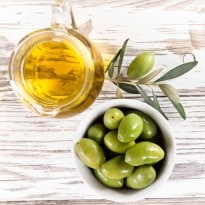
Drizzle it over your salad, use it as a dip for freshly-baked bread or cook with it - olive oil works like a dream every time. It's thick, consistent, silky and the core ingredient of the calorie-friendly Mediterranean diet. It's got many rivals on the market shelf but its distinct taste and string of health benefits helps it to stand out: olive oil helps lower the risk of diabetes, it helps reduce wrinkles, works against bad cholesterol and helps prevent cancer.
For the study, researchers observed the beating hearts of rats and how they responded to the supply of either oleate or palmitate, a fat associated with the Western diet and found in dairy products, animal fats and palm oil. When the researchers introduced oleate through a failing hearts, they saw an immediate improvement in how the hearts contracted and pumped blood. However, when the animal fat was used the diseased hearts worsened. Previous studies have suggested how olive oil can reduce the risk of heart disease, but this is the first time around that the exact compound had been identified.With inputs from IANS

 'AI Scares Me': Kriti Sanon On Personality Rights And Need For Laws
 'This Time I Wanted Gold': Savita Punia Reflects On Historic Asiad Success
 Inside The Mind Of Archer Kumkum Mohod, Who Dared To Challenge South Korea
 Neeru Dhanda Carried Homemade Churma To Asiad, Returned With Two Gold Medals
 "High Inflation Is Like Tax On Everyone": RBI Governor At NDTV World Summit
 NDTV World Summit 2026: AI, Chips, Warfare And The Future Of The World | Key Conversations
 Kriti Sanon On Situationships, Open Relationships And Being Old-School
 Favourite Bollywood Actor To 5-Year Plan, Kriti Sanon Interviews AI Actor Tilly Norwood
 India's Golden Girls: Asian Games Champions On Sacrifice, Success And LA 2028
 RBI Governor Was Asked About Tata Sons' Listing. He Read The Rulebook
For the study, researchers observed the beating hearts of rats and how they responded to the supply of either oleate or palmitate, a fat associated with the Western diet and found in dairy products, animal fats and palm oil. When the researchers introduced oleate through a failing hearts, they saw an immediate improvement in how the hearts contracted and pumped blood. However, when the animal fat was used the diseased hearts worsened. Previous studies have suggested how olive oil can reduce the risk of heart disease, but this is the first time around that the exact compound had been identified.With inputs from IANS