



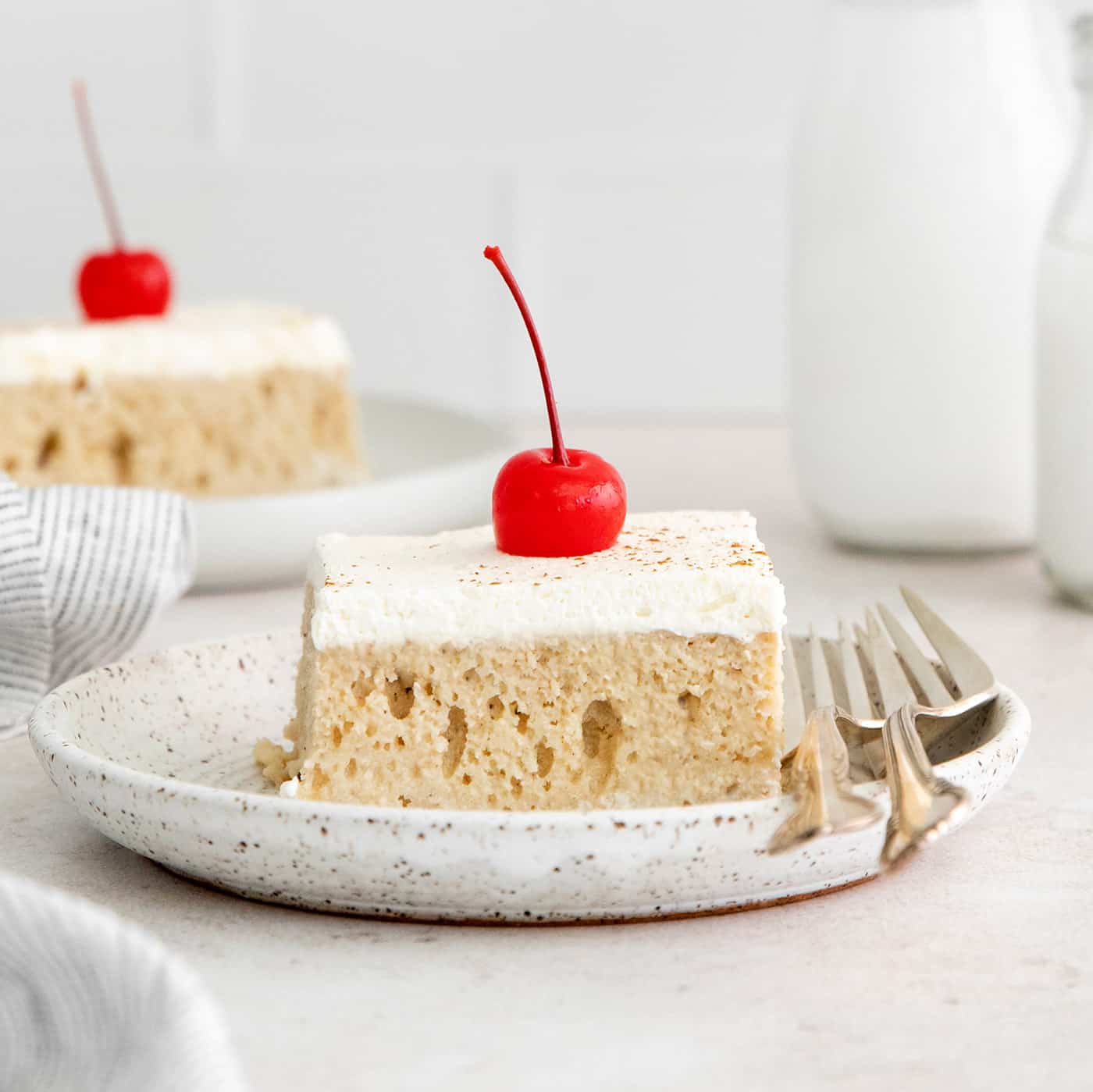
Imagine a cake so soft it melts on your tongue. So moist you wonder how it holds together. So sweet yet not cloying that you reach for another slice without thinking. That's tres leches cake, Spanish for "three milks”, and it's one of Latin America's greatest contributions to dessert. This isn't your typical layered celebration cake with buttercream frosting. This is a light-as-air sponge cake that gets drenched, and I mean absolutely soaked, in a mixture of three different milks: sweetened condensed milk, evaporated milk, and cream. Then it's topped with clouds of whipped cream. When Eleanor Roosevelt tasted this in Nicaragua, she reportedly said it was the best cake she'd ever had. The secret to its impossibly soft, moist texture? The cake is made without butter or oil, relying on whipped egg whites for lift, creating a sponge-like structure with millions of tiny air pockets. When you pour that three-milk mixture over the cooled cake, those air pockets absorb every drop without becoming soggy; staying perfectly moist yet never mushy. It's science and tradition working together to create cake magic. For Indians curious about global desserts or looking for something special to serve at parties, tres leches hits differently. Let's explore how this Latin American classic became legendary and how you can make it perfectly at home.











Also Read: Healthy Strawberry Oatmeal Recipe: Try This Easy-To-Make 'Dessert' As Breakfast
The Tres Leches Tradition in Latin American Cuisine
:max_bytes(150000):strip_icc()/7399-tres-leches-milk-cake-ddmfs-beauty-2x1-BG-25702-f42c94b10c914753aa4dcb413658b8bf.jpg?im=FaceCrop,algorithm=dnn,width=620,height=350 "Latest and Breaking News on NDTV")
Origins: The Great Debate
Ask someone from Mexico about tres leches and they'll claim it's theirs. Ask a Nicaraguan and they'll insist it originated in Nicaragua. Historians suggest this soaked-cake concept actually traces back to medieval England's trifle cakes, using milk to revive stale cake. But the modern tres leches as we know it? That's definitely Latin American.
The most widely accepted theory credits Nestlé. In the 1930s-40s, Nestlé started printing a tres leches recipe on the back of their condensed and evaporated milk cans sold throughout Latin America. Genius marketing. Need to sell more milk? Create an addictive cake recipe that requires three different types. Whether Nestlé invented it or popularised an existing recipe, it worked. Tres leches exploded across Mexico, Nicaragua, Panama, Costa Rica, and beyond.
Cultural Significance
In Latin America, tres leches isn't just dessert. It's a celebration. Birthdays, baptisms, quinceañeras, weddings, Mother's Day, Sunday family gatherings, tres leches show up everywhere. It represents abundance (literally swimming in milk), comfort (soft and sweet), and sharing (always made in large pans to serve many).
Different countries add their own twist. Mexicans might dust it with cinnamon. Nicaraguans sometimes add rum to the milk mixture. Venezuelans might use coconut milk as one of the three milks. But the core remains the same: light sponge cake, three-milk soak, whipped cream topping.
The Complete Tres Leches Recipe
Serves: 12-15 | Prep: 30 min | Bake: 35 min | Soak: Overnight
Ingredients:
For the Sponge Cake:
- 1 cup (125g) all-purpose flour
- 1½ teaspoons baking powder
- ¼ teaspoon salt
- 5 large eggs (room temperature, separated)
- 1 cup (200g) sugar (divided: ¾ cup for yolks, ¼ cup for whites)
- ⅓ cup whole milk
- 1 teaspoon vanilla extract
For the Three-Milk Mixture:
- 1 can (400ml) sweetened condensed milk
- 1 can (370ml) evaporated milk
- 1 cup (240ml) heavy cream (or whole milk)
For the Whipped Cream Topping:
- 2 cups (480ml) heavy whipping cream (cold)
- 3 tablespoons powdered sugar
- ½ teaspoon vanilla extract
- Ground cinnamon for dusting (optional)
Method:
Step 1: Prep
Preheat oven to 175°C (350°F). Grease and lightly flour a 9x13-inch (23x33 cm) baking pan. Set aside three mixing bowls.
Step 2: Make the Batter Base
In a large bowl, sift together flour, baking powder, and salt. Set aside.
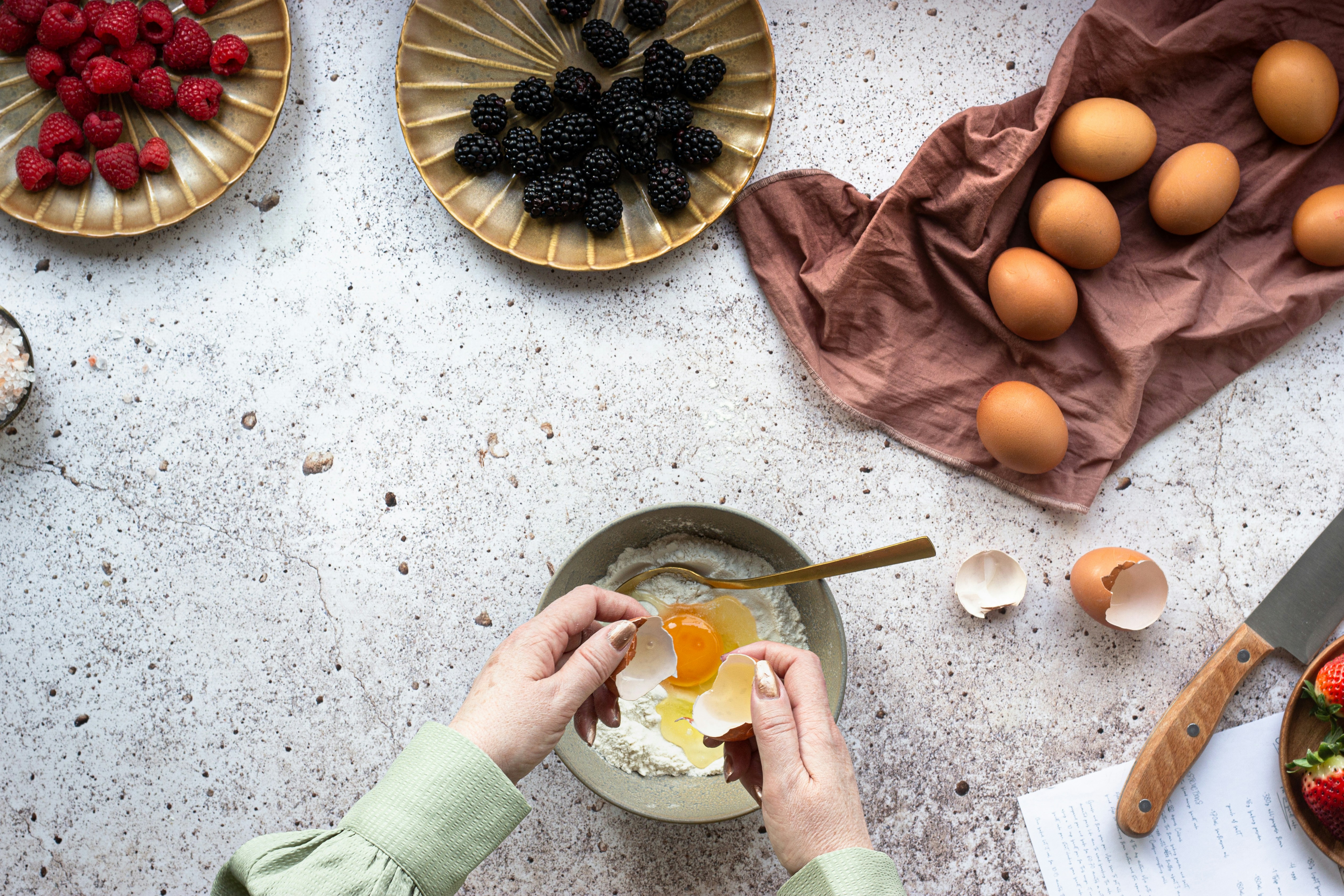
Separate egg yolks and whites into two separate bowls (make sure the bowl for whites is completely clean and dry, any grease prevents them from whipping properly).
Step 3: Beat Egg Yolks
Add ¾ cup sugar to egg yolks. Beat on high speed for 2-3 minutes until pale yellow, thick, and ribbony. When you lift the beater, the mixture should fall in ribbons that hold their shape briefly.
Add ⅓ cup milk and 1 teaspoon vanilla. Mix just until combined.
Step 4: Whip Egg Whites (This is crucial!)
Using clean, dry beaters, beat egg whites on high speed until foamy (about 1 minute). While beating, slowly add the remaining ¼ cup sugar. Continue beating until stiff peaks form, when you lift the beater, peaks should stand straight up without drooping (about 3-4 minutes total).
Pro Tip: Don't overbeat or they'll become dry and grainy. Stop when peaks are glossy and firm.
Step 5: Combine Everything
Pour egg yolk mixture over the flour mixture. Gently stir with a spatula just until no dry flour remains. Don't overmix.
Add about one-third of the whipped egg whites to the batter. Fold gently with a spatula to lighten the mixture. Add remaining egg whites and fold very gently until just combined, some small white streaks are okay. Overmixing deflates the whites and makes a dense cake.
Step 6: Bake
Pour batter into prepared pan. Smooth the top. Bake for 30-35 minutes until top is golden and a toothpick inserted in the center comes out clean. The cake should spring back when lightly pressed.
Remove from oven. Let cool in the pan for 10 minutes, then cool completely (at least 1 hour).
Step 7: Prepare Three-Milk Mixture
In a large measuring jug or bowl with a pouring lip, whisk together condensed milk, evaporated milk, and heavy cream until smooth.
Step 8: Soak the Cake
Once cake is completely cool, use a fork to poke holes all over the surface, lots of them, about 20-30 holes. This allows milk to penetrate deeply.
Slowly pour the three-milk mixture over the entire cake. It will seem like too much liquid. Don't worry. Pour it all. The cake will absorb it.
Cover the pan with plastic wrap and refrigerate for at least 4 hours, preferably overnight. The longer it soaks, the better.
Also Read: How Nutella, A World War II Loaf, Became A Beloved Breakfast Spread
Step 9: Whipped Cream Topping
Just before serving, make the topping. In a chilled bowl with cold beaters, whip heavy cream, powdered sugar, and vanilla on high speed until soft peaks form (about 2-3 minutes). Don't overwhip or you'll make butter.
Spread whipped cream over the soaked cake. Dust lightly with ground cinnamon if desired.
Step 10: Serve
Slice and serve cold. Store any leftovers covered in the refrigerator for up to 3-4 days.
The Secret Behind Tres Leches Softness
:max_bytes(150000):strip_icc()/tres-leches-cake-FT-RECIPE0724-f6ba421da889415bb8bcd643cc97d967.jpeg?im=FaceCrop,algorithm=dnn,width=620,height=350 "Latest and Breaking News on NDTV")
Why Is It So Soft and Never Soggy?
The magic is in the structure. Traditional cakes use butter or oil for moisture. Tres leches uses none. Instead, it relies entirely on whipped egg whites for lift, creating an airy sponge with millions of tiny air pockets.
When you pour the milk mixture over this sponge, those air pockets absorb liquid like a sponge absorbs water. The cake doesn't get soggy because the structure holds, each little air pocket fills with milk but maintains its shape. The result? Impossibly moist but still sliceable. Soft but not mushy.
The Three Milks: Why This Combination?
- Sweetened Condensed Milk: Adds sweetness and richness. Thick consistency helps coat the cake.
- Evaporated Milk: Adds creaminess without too much sweetness. Lighter than condensed milk.
- Heavy Cream (or Whole Milk): Adds fat and creates a balanced, pourable mixture that soaks evenly.
Together, they create a perfectly balanced sweet-cream flavour that penetrates every bite.
Tips for Perfect Tres Leches Every Time
:max_bytes(150000):strip_icc()/Southern_Living_Tres_Leches_Cake_035-7339adcdef27476886e93b830ab1a673.jpg?im=FaceCrop,algorithm=dnn,width=620,height=350 "Latest and Breaking News on NDTV")
1. Room Temperature Eggs: They whip better and create more volume. Take them out 30 minutes before baking.
2. Beat Egg Whites Properly: This is 80% of success. Clean bowl, no grease, beat to stiff peaks. Underbeaten = dense cake. Overbeaten = dry, crumbly cake.
3. Gentle Folding: When incorporating egg whites, fold gently. Imagine you're trying not to wake a sleeping baby. Vigorous mixing deflates the whites.
4. Don't Skip Cooling: Pour milk mixture only over completely cooled cake. Warm cake absorbs unevenly.
5. Poke Enough Holes: Don't be shy. 20-30 holes ensure even soaking.
6. Pour Slowly: Pour milk mixture gradually, letting it absorb as you go. Rushing creates puddles.
7. Overnight Soaking: This is non-negotiable. Minimum 4 hours, but overnight is ideal. The cake needs time to absorb and distribute the milk evenly.
8. Serve Cold: Tres leches is meant to be eaten cold. The cool temperature enhances the creamy texture.
Delicious Variations to Try
- Strawberry Tres Leches: Blend ½ cup fresh strawberries into the milk mixture. Top with strawberry slices and whipped cream.
- Chocolate Tres Leches: Add 3 tablespoons cocoa powder to the flour. For extra decadence, drizzle chocolate sauce over the whipped cream.
- Coconut Tres Leches: Replace evaporated milk with coconut milk. Top with toasted coconut flakes.
- Coffee Tres Leches: Add 2 tablespoons of instant coffee dissolved in hot water to the milk mixture.
- Dulce de Leche Tres Leches: Swirl dulce de leche sauce over the soaked cake before adding whipped cream.
- Mango Tres Leches: Blend fresh mango into the milk mixture. Top with mango chunks.
- Boozy Tres Leches: Add ¼ cup rum, Kahlúa, or Irish cream to the milk mixture for an adults-only version.
Also Read: Inside Ba***ds Of Bollywood Star Mona Singh's Brand-New Restaurant In Mumbai
The Three-Milk Cake
Tres leches cake is proof that sometimes the simplest ideas are the most brilliant. Take a light sponge cake. Drown it in three types of milk. Top with whipped cream. Somehow, this produces one of the world's most beloved desserts. The genius is in the balance. Sweet but not sickly. Rich but light. Soft but not soggy. Indulgent but not heavy. And incredibly easy to make once you understand the technique. Yes, separating and whipping egg whites takes effort. Yes, waiting overnight for the cake to soak requires patience. But the result? Worth every minute. Whether you're serving it at a birthday party, bringing it to a potluck, or just making it because you're curious about Latin American desserts, tres leches delivers. It's crowd-pleasing without being basic. It's impressive without being complicated. It's different enough to feel special but familiar enough that everyone loves it. So grab those eggs, those three types of milk, and make yourself some tres leches magic. Because this cake doesn't just taste good. It tells a story, of Latin American ingenuity, of celebration, of sharing sweetness with people you love. And honestly, that's the best kind of dessert there is.