






Falling asleep should feel natural, but for many people it has quietly become one of the hardest parts of the day. You switch off the lights, put the phone away and still find yourself staring at the ceiling, waiting for sleep to arrive. While stress, screen time and erratic routines often take the blame, what you eat through the day can also play a subtle but important role in how well you rest at night. Interestingly, certain everyday foods are believed to support the body's natural sleep mechanisms when consumed the right way. As per Ayurvedic health coach Dimple Jangda, adding a few specific superfoods to your daily routine may help improve sleep quality over time.
Here Are 4 Expert-Approved Superfoods That May Help You Sleep Better At Night
1. Almonds For Muscle Relaxation And Deep Sleep
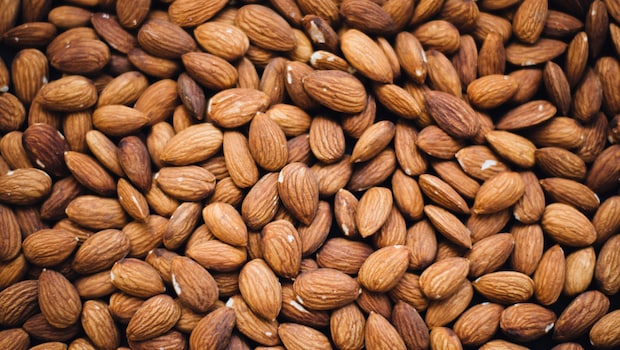
Photo: Unsplash
As per Ayurvedic health coach Dimple Jangda, almonds are a rich source of magnesium, a mineral known to support relaxation and better sleep quality. She recommends consuming 5 to 7 pre-soaked and peeled almonds at dusk. According to her, this practice may help reduce frequent night awakenings, support GABA activity for a calmer mind and relax the muscles. Almond milk at bedtime can also be a soothing option for those who prefer a warm drink at night.
2. Bananas To Support Melatonin And Reduce Night Cramps
Bananas bring together potassium, magnesium and tryptophan, all of which are linked to better sleep support. As per Dimple Jangda, potassium may help prevent night-time cramps that often disturb sleep, while magnesium supports melatonin production, the hormone that regulates sleep cycles. From an Ayurvedic lens, the naturally sweet taste of banana may help balance excess vata associated with dryness and restlessness. She suggests having one banana post lunch or post dinner.
3. Warm Milk With Turmeric And Nutmeg For Night-Time Calm
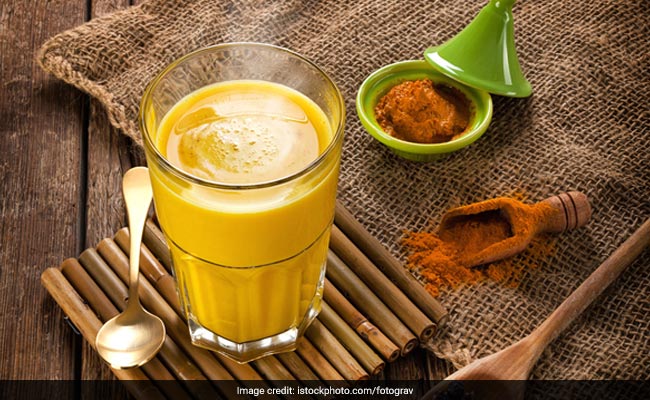
Warm milk has long been associated with bedtime comfort. As per Dimple Jangda, milk is heavy and cooling in nature, which gives it a naturally calming effect on the body. Adding turmeric may help reduce inflammation and oxidative stress, while a pinch of nutmeg is traditionally considered helpful for weak or disturbed sleep. She recommends boiling the milk well with turmeric and a small pinch of nutmeg and consuming it at night for the best results.
4. Cherries As A Natural Source Of Melatonin
Cherries are another sleep-supportive food highlighted by Dimple Jangda. She notes that cherries have a cooling potency that may help reduce pitta imbalance linked to sleep disturbances. They are also known to be a natural source of melatonin, the sleep hormone that signals the body to wind down. Having a bowl of fresh cherries in the evening may help you feel naturally sleepy by night.
Best Time To Eat These Foods For Better Sleep
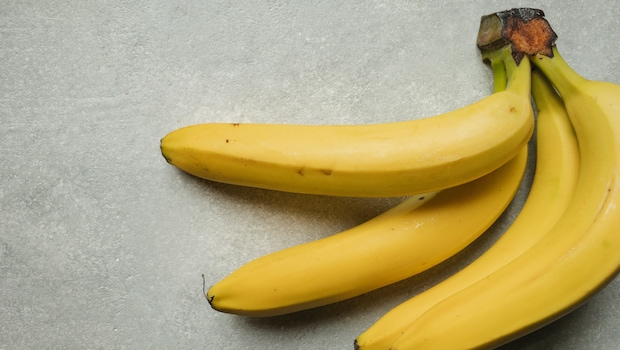
Photo Credit: Unsplash
Timing can make a big difference in how well certain foods support your sleep cycle. Instead of eating them randomly, placing them intentionally through the day can help the body wind down more naturally.
- Soaked almonds are most effective when eaten around dusk.
- Bananas work well after lunch or dinner.
- Cherries are ideal in the early evening.
- Warm milk with turmeric and nutmeg is best consumed shortly before bed.
Spacing them out ensures your body receives steady nutritional support aligned with its natural rhythm.
Also Read: Rameshwaram Cafe Mumbai Opens Free Food Trials For Everyone For 3 Days. Details Here
Can Diet Alone Fix Poor Sleep?
While these foods can contribute to better rest, they are only one part of the solution. Poor sleep is often the result of lifestyle habits rather than diet alone.
Common sleep disruptors include:
- Late‑night screen exposure
- High caffeine intake
- Heavy or late dinners
- Irregular sleep schedules
- Chronic stress
For deeper, more consistent sleep, experts recommend balancing a supportive diet with good sleep hygiene, a calming night routine, and regular sleep‑wake timings.
Disclaimer: This content including advice provides generic information only. It is in no way a substitute for qualified medical opinion. Always consult a specialist or your doctor for more information. NDTV does not claim responsibility for this information.