







Tea is a part of daily life in India, from the first steaming cup of milk chai in the morning to a calming green tea after work. When it comes to health, many wonder: which tea is best for regular drinking? Each type - milk chai, black tea, and green tea - offers its own taste, tradition, and benefits. But which kind of tea is the most beneficial for you if you think of daily consumption? If you are someone who drinks tea regularly and wants to know which would be most healthy for your body, here's a little breakdown of what each tea offers you.
Also Read: How To Make Besan Ka Sheera At Home For Winter
Why Is Tea So Important In India
Tea holds a special place in India's everyday life. It is more than just a drink; it is a comforting ritual that brings people together, whether at home or in bustling roadside chai stalls. India ranks among the world's largest tea producers, with regions like Assam, Darjeeling, and Nilgiri celebrated for their unique flavours and heritage. From a simple cup of chai to rare, premium brews, tea reflects warmth, hospitality, and a tradition that continues to connect millions across the country.
Milk Chai vs Black Tea vs Green Tea: Which To Choose
1. Milk Chai

Milk chai is the most common way tea is consumed in Indian households, typically made with black tea, milk and sugar. While it is comforting and satiating, adding milk changes how tea's natural compounds work in the body.
Tea contains tannins, which are known to bind with certain minerals. As per a 2013 research paper, milk proteins can reduce the antioxidant activity of tea polyphenols, making milk chai nutritionally different from plain tea. This does not mean that milk tea is bad for health. According to Kiran Bhatt, Nutritionist and Vice President of Junoesque Clinic, "We cannot say that the consumption of milk with tea is harmful to health unless someone is allergic to lactose. Milk has its own benefits such as calcium and Vitamin D."
Consultant nutritionist Rupali Dutta notes that black tea and milk tea should not be consumed with meals, as they can interfere with nutrient absorption. This is why milk chai is best enjoyed between meals rather than alongside lunch or dinner.
2. Black Tea
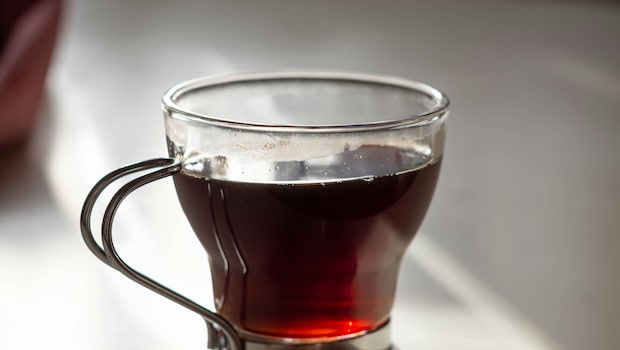
Photo: Unsplash
Black tea is consumed without milk or with very little milk, and is fully oxidised, giving it a stronger flavour and deeper colour. Nutritionally, it sits between milk chai and green tea. While having tea, skipping the addition of milk may allow you to access certain health benefits. As per ICMR, green tea and black tea contain "theobromine and theophylline, which are known to relax arteries and thereby promote blood circulation. They also contain flavonoids and other antioxidant polyphenols, which may reduce the risk of coronary heart disease and stomach cancer."
As Rupali Dutta explains, black tea ranks next after green tea in antioxidant content, but she also advises avoiding it with meals for the same nutrient-absorption reasons.
3. Green Tea

Green tea is minimally processed and usually consumed without milk or sugar, which helps preserve its natural compounds. It is often chosen for its lighter profile and perceived health benefits.
Green tea is rich in catechins, particularly EGCG, which have been widely studied for their antioxidant properties, as per a 2019 research paper. According to Rupali Dutta, green tea contains slightly less caffeine and is the richest in antioxidants, and unlike black or milk tea, it can be consumed with meals. She also recommends limiting intake to two to three cups a day.
Verdict: Which Tea Is Healthier?
There isn't a single “healthiest” tea. It largely depends on how and when you drink it.
- Milk chai works well as a comforting between-meal drink, especially if you enjoy it for satiety rather than antioxidants.
- Black tea offers a balance of flavour and benefits, but is best kept away from main meals.
- Green tea stands out for its antioxidant content and flexibility, as it can be consumed with meals in moderation.
In the end, the healthiest choice is the one that fits your routine, digestion, and timing, not just the label on the cup.
Also Read: How To Make High-Protein Chana Paneer Samosa Without Frying For Guilt-Free Snacking
How To Make Your Daily Tea Healthier
Here are simple tips to enjoy your tea without losing its value:
- Limit sugar: Using less sugar or natural sweeteners keeps calories in check.
- The right temperature: Avoid drinking tea that is too hot.
- Steep for the right time: Over-brewing can increase bitterness without meaningful benefit.
- Listen to your body: If a type of tea upsets your stomach, try adjusting the timing or switching types.
So, choose tea-type as per your health to reap maximum benefits from your favourite beverage.
Disclaimer: This content including advice provides generic information only. It is in no way a substitute for qualified medical opinion. Always consult a specialist or your doctor for more information. NDTV does not claim responsibility for this information.
About Nikita NikhilMeet Nikita, a passionate soul with an insatiable love for two things in life: Bollywood and food! When she's not indulging in binge-watching sessions, Nikita can be found behind the lens capturing moments or expressing her creativity through painting.