



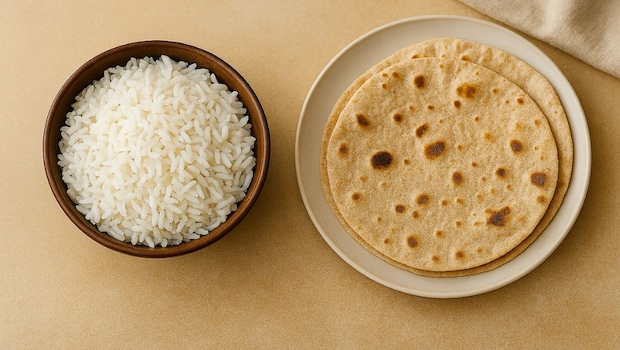
Rice and roti are the two foods most of us grow up eating, yet they somehow spark the strongest debates at the dining table. One feels light and comforting, the other feels steady and filling, and everyone seems convinced their choice is the healthier one. But food isn't just about habit. As more people start paying attention to digestion, gut comfort, and weight goals, the rice‑versus‑roti conversation has slowly become more than a casual opinion. It's a question many genuinely want clarity on today. So which one actually supports digestion better? And which fits more easily into a weight-loss plan? Let's find out what the experts have to say:
Also Read: This Drink On An Empty Stomach For 7 Days May Help Get Rid Of Stubborn Pimples
How Rice And Roti Affect Digestion

Digestion is one of the biggest deciding factors when choosing between rice and roti.
As per nutritionist Pooja Makhija, white rice is easier and quicker to digest because it lacks the fibrous bran layer. This makes it gentler on the stomach, especially for people dealing with acidity, bloating, or weak digestion. Rice breaks down faster and requires less digestive effort.
Roti, on the other hand, is made from whole wheat flour and contains significantly more fibre. While this fibre supports gut health and bowel regularity, it also slows digestion, meaning roti stays in the stomach longer. For some people, this leads to prolonged fullness; for others, especially those with sensitive digestion, it may feel heavy.
Glycaemic Index And Blood Sugar Impact

One common myth is that rice spikes blood sugar far more than roti. However, as per a 2020 research published in the Indian Journal of Endocrinology and Metabolism, glycaemic index values of white rice and wheat roti fall within a similar range, especially when eaten in controlled portions.
As per experts, what matters more than the food itself is:
- Portion size
- Meal composition (vegetables, protein, fats)
- Cooking method
Roti has an edge in fibre content, which slows glucose absorption. Rice, while lower in fibre, is naturally gluten-free and can be easier to tolerate for many people.
Rice Vs Roti For Weight Loss: What Experts Say

When it comes to weight loss, nutritionist Pooja Makhija has explained that neither rice nor roti directly leads to weight gain. According to her, weight loss depends on overall calorie intake, eating habits, and portion control - not on eliminating carbohydrates.
She points out that many people feel fuller after eating roti due to its fibre content, which may help reduce snacking later. However, others digest rice more comfortably and may naturally eat less when digestion feels lighter.
The key takeaway is that overeating either rice or roti - especially without enough vegetables or protein - can slow weight loss.
When Rice May Be A Better Choice
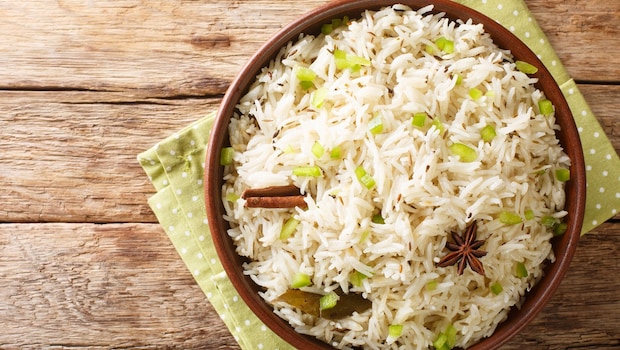
According to nutritionist Rashi Chowdhary, white rice can actually be a better option than wheat roti for certain people. She explains that individuals dealing with gut issues such as IBS, PCOS, bloating, or gluten sensitivity may tolerate rice more easily.
Rice is lighter on the digestive system and, when paired with vegetables, dal or curd, can form a balanced meal without overwhelming the gut. She also stresses that adding healthy fats and protein helps stabilise blood sugar levels when eating rice.
When Roti Works Better
Roti may suit those who:
- Have strong digestion
- Prefer slower energy release
- Need higher fibre intake
As per experts, roti's fibre content supports gut health and keeps you fuller for longer, which can be helpful during weight-loss phases - especially earlier in the day when digestion is strongest.
How To Eat Rice Or Roti The Right Way

To make either option work for digestion and weight goals:
- Keep portions moderate
- Always pair with vegetables and protein
- Avoid eating very late at night
- Chew slowly and eat mindfully
As per experts, balanced meals matter far more than choosing between rice and roti.
Also Read: Dates Or Jaggery, Which Natural Sweetener Is Better For Weight Loss?
Conclusion
There is no universal winner in the rice vs roti debate. Rice may be easier to digest and better suited for sensitive guts, while roti offers more fibre and longer satiety. For weight loss, neither food is inherently fattening - the deciding factors are portion size, meal balance, and how your body responds.
Instead of cutting one out, listening to your digestion and eating both mindfully may be the healthiest approach of all.