


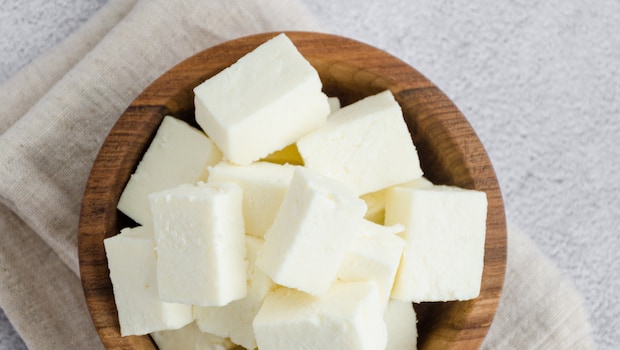
Milk and paneer are among the most widely consumed foods in India, used daily in homes, restaurants and sweet shops. But concerns around adulteration have followed these products for years. Acting on reports of poor quality and unsafe practices, the Food Safety and Standards Authority of India (FSSAI) has now launched a nationwide crackdown on milk and milk-based products, including paneer and khoya. The move comes after inspections and intelligence inputs suggested that adulteration and misbranding remain common in parts of the dairy supply chain. By asking states and Union Territories to intensify enforcement, the food regulator aims to improve safety standards and reduce the presence of fake or substandard dairy products in the market.
Also Read: Food Authority Orders Nationwide Testing Of Eggs For Banned Antibiotics
What The Enforcement Drive Covers
FSSAI has instructed food safety officials to carry out extensive inspections across the dairy chain. This includes milk collection centres, processing units, transport vehicles, cold storage facilities, wholesale markets and retail outlets, as per reports. Paneer and khoya are of significance because they are easier to tamper with and are widely used in both home cooking and commercial kitchens. The drive covers both licensed businesses and unregistered operators, many of whom operate outside regular checks.
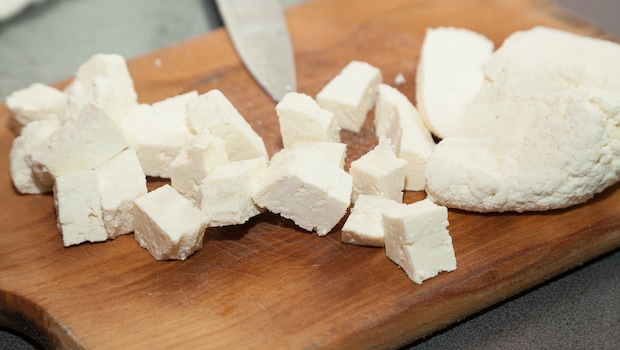
As part of the crackdown, food safety teams are collecting samples for laboratory testing to check for adulteration and quality violations. Officials are also verifying whether businesses are properly registered or licensed under food safety laws.
Action Against Adulterated Products
Where violations are found, authorities can take strict action, including seizing unsafe products, ordering their destruction, cancelling licences or shutting down illegal units. The aim is to discourage repeat offences and send a clear message that adulteration will attract serious consequences.
Also Read: Is Packaged Paneer Safe To Eat? What You Must Know About Fake Paneer
Restaurants And Food Businesses Under Scrutiny
The crackdown also applies to hotels, restaurants, caterers and pubs, which use large quantities of milk and paneer. These businesses are expected to source dairy products only from reliable and compliant suppliers. Failure to do so could lead to penalties or loss of licence.
For consumers, the enforcement drive implies a renewed push to make everyday dairy products safer. Milk and paneer form a regular part of Indian diets, and tighter checks are meant to reduce long-standing concerns around quality and adulteration.
How To Stay Safe From Milk, Paneer & Khoya Adulteration: A Consumer Guide
1. Buy from Trusted Sources
- Choose reputed brands and licensed dairy sellers whenever possible.
- For loose milk, paneer or khoya, rely on vendors you know well or local cooperatives with a good track record.
- On packaged products, check for clear labelling, including the FSSAI licence number, manufacturing date and use-by date, which indicate regulatory oversight.
2. Watch for General Warning Signs
Some sensory cues can signal poor quality:
- Unusual smell or taste
- Milk that remains unusually thin even after boiling
- Excessive froth or residue
- Paneer or khoya that spoils very quickly
While these signs don't confirm adulteration on their own, they should not be ignored.
3. Handle and Store Dairy Products Safely
- Refrigerate milk, paneer and khoya promptly if not used immediately.
- Use clean utensils to avoid contamination.
- Avoid storing dairy products at room temperature for long periods, especially in warm weather.
4. Conduct Simple Home Checks
Home Tests For Milk
Some basic checks can help spot common signs of adulteration before consumption:
- Water Test: Put a drop of milk on a clean, slanted metal surface or plate. Pure milk flows slowly and leaves a white trail; if it runs off quickly without leaving a mark, it may be diluted with water.
- Foam Test: Shake a small quantity of milk in a bottle or jar. Pure milk produces minimal foam that disappears quickly. Thick, long-lasting foam can point to detergent or synthetic additives.
- Cream (Malai) Test: Boil a small amount of milk and let it cool. A thin layer of cream forming on top is normal. Little or no cream, or an odd texture, may suggest dilution or tampering.
- Starch Test: After boiling and cooling milk, add a few drops of iodine if available. A blue colour change may indicate added starch, which is sometimes used to thicken diluted milk.
These checks are not foolproof and cannot replace laboratory testing, but they can help flag obvious issues early.
Home Tests For Paneer
Paneer is sometimes made using poor-quality milk or fillers. Some quick checks include:
- Hand Test: Press a small piece of paneer between your fingers. Fresh paneer should feel firm yet soft and spring back slightly. A very crumbly or rubbery texture may indicate quality issues.
- Hot Water Test: Drop a small piece of paneer into hot water. If it disintegrates or releases excessive milky residue, it could point to adulteration or poor preparation.
- Look and Smell: Pure paneer has a mild, milky aroma. Any sour or chemical smell is a red flag.
Home Tests For Khoya
Khoya (mawa) is especially prone to adulteration because of its high demand and short shelf life. At home, consumers can look for:
- Texture Check: Fresh khoya should feel smooth and slightly granular, not overly sticky or rubbery. Excessive hardness or elasticity can indicate starch or synthetic binders.
- Smell Test: Genuine khoya has a rich, milky aroma. Any sharp, sour or chemical smell suggests spoilage or adulteration.
- Heat Test: Gently heat a small portion in a pan. Pure khoya melts evenly and releases fat. If it burns quickly, turns excessively watery, or smells unusual, the quality may be compromised.
If you strongly suspect adulteration beyond basic home checks, the safest option is to report it to the local food safety authority. Officials can collect samples and conduct proper laboratory testing.
Home checks are simple first steps to catch obvious problems, but they cannot detect every adulterant. The safest approach combines buying from trusted sources, proper storage, and staying alert to unusual signs. Stronger enforcement and testing by authorities aim to improve the quality of milk, paneer and khoya reaching consumers, but awareness at home remains an important layer of protection.