




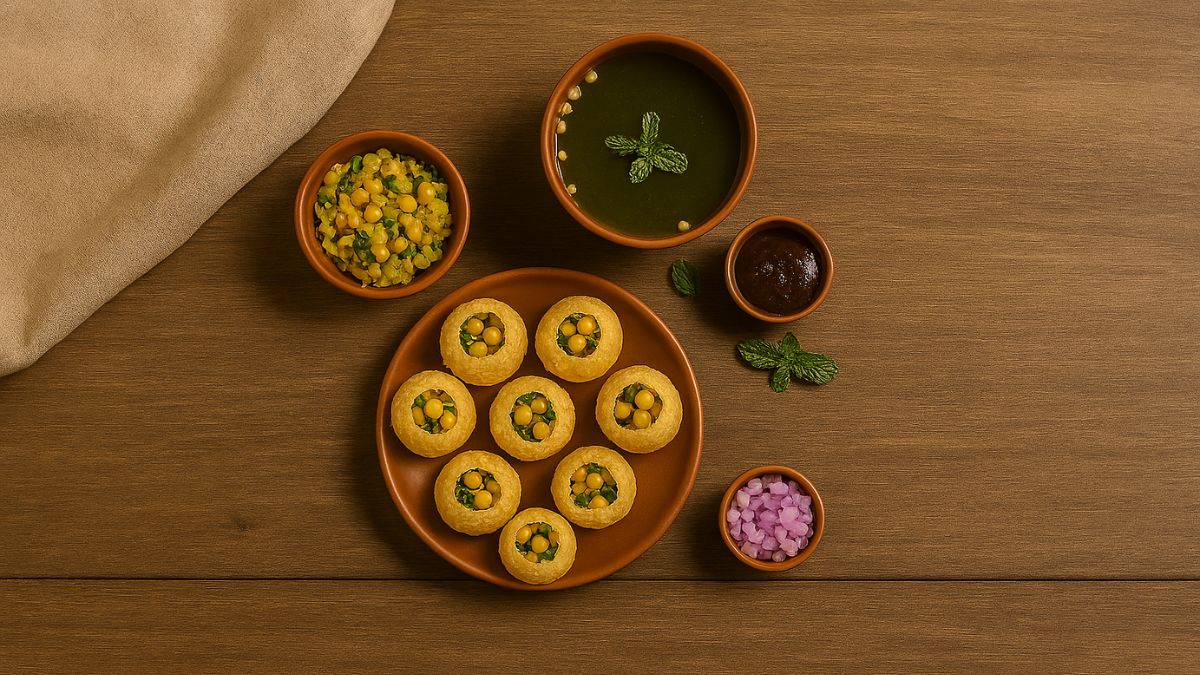
Few snacks stir as much emotion as pani puri. It is the ultimate street-side indulgence, crisp puris, tangy water, and that burst of spice we crave after a long day. Yet, for years, it has been branded a dietary villain, blamed for bloating, acidity, and weight gain. Still, we line up at stalls, because how do you resist a plate of golgappas? The irony is, our fear might be misplaced. As per nutritionist Shweta Shah, pani puri itself isn't the culprit; it's how and when we eat it that makes all the difference. Could this beloved snack actually work with your gut instead of against it? The answer might surprise you.
We have been conditioned to believe that pani puri automatically equals unhealthy eating. But as per nutritionist Shweta Shah, that is an oversimplification. The concept of pani puri - light puris, tangy water, digestive spices – is not really the problem. What usually goes wrong is everything around it.
It's not the snack itself, but poor quality ingredients, overeating, and bad hygiene practices that lead to discomfort, bloating, or guilt. Blaming pani puri entirely ignores the bigger picture of food quality and mindful eating.
Also Read: Cold Wave Alert: 6 Desi Indian Foods That Keep You Warm From Within
What Actually Makes Pani Puri Unhealthy

According to nutritionist Shah, the real issues that give pani puri a bad reputation include:
- Stale or contaminated water, which can upset the gut
- Eating too many puris in one go (think 12+ instead of a reasonable portion)
- Wrong timing, like late evenings or during existing digestive issues
- Zero hygiene, especially at unreliable vendors
When these factors stack up, even the healthiest foods can cause trouble. The problem, clearly, isn't pani puri but how carelessly we sometimes consume it.
Ayurveda Actually Supports Tangy, Digestive Foods

Interestingly, Ayurveda doesn't dismiss pani puri at all. As nutritionist Shweta Shah points out, Ayurvedic principles favour tangy tastes, digestive spices, and light, crunchy foods, all elements that pani puri naturally contains.
The pani itself is made using ingredients like:
- Pudina (mint): Known for its cooling properties, mint helps soothe the stomach and aids digestion.
- Jeera (cumin): A powerful spice that boosts metabolism and reduces bloating.
- Hing (asafoetida): Traditionally used to relieve gas and improve gut health.
- Black salt: Rich in minerals, it supports electrolyte balance and enhances digestion.
Together, these act as natural digestive aids. In fact, when prepared fresh, pani puri water works almost like a traditional digestive drink that stimulates appetite and supports gut function.
How To Eat Pani Puri In A Healthier Way

Timing, hygiene, and portion control make all the difference. As per nutritionist Shah, pani puri can be a healthier indulgence when:
- The pani is clean, fresh, and prepared hygienically
- It's eaten at home or from a trusted, hygienic vendor
- It's consumed during the daytime, when digestion is stronger
- You avoid it during acidity, stomach infections, or gut flare-ups
To make pani puri more balanced and easier on the gut, nutritionist Shweta Shah suggests a few smart tweaks:
- Add extra chana or sprouts to the filling to boost protein and fibre
- Avoid sweet meetha pani, which adds unnecessary sugar
- Eat slowly and mindfully, instead of rushing through plate after plate
These small changes help maintain blood sugar balance, improve satiety, and reduce post-snack bloating, without taking away the joy of eating pani puri.
Watch the expert's full post below:
Also Read: Want Healthy, Glowing Skin This Winter? These 6 Soups Are The Secret
So, now you know what the best way is to have pani puri in a better way without too much guilt. Of course, it goes without saying that eating in moderation is the key to healthy eating.