




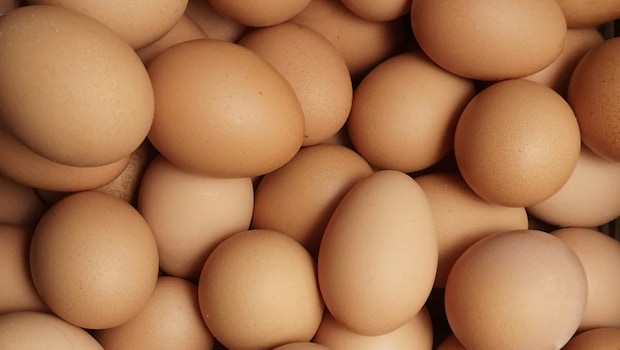
The Food Safety and Standards Authority of India (FSSAI) has moved to test egg samples across the country following concerns over the possible presence of banned antibiotics, including nitrofurans, in commercially sold eggs. It has directed its regional offices to collect samples of both branded and unbranded eggs and send them to 10 laboratories nationwide for testing. The action follows reports questioning the quality of eggs distributed by a brand called Eggoz. This has resulted in wider scrutiny of antibiotic use in egg production.
Eggoz has denied the allegations. In a public statement, the company declared, "As promised, the latest lab reports of Eggoz egg samples (December 25) are available, and we are sharing them openly for everyone's reference at www.eggoz.com. At Eggoz, the safety and trust of our consumers mean everything to us. Thank you for your patience and for giving us the opportunity to clarify the facts. We will continue to uphold the highest standards across our farms and processes." As per their website, the eggs are free from antibiotics, banned substances, and pesticides. They stated that testing for over 25 different pesticides was conducted, all of which were found to be below the Limit of Quantification (BLQ), meaning they were either absent or undetectable, reported ANI.
Also Read: Can The Egg Floating Test Determine Its Freshness? Here's What It Really Means

Parallel to the national move, the Karnataka government has also ordered testing of egg samples available in the state, according to a PTI report. Health Minister Dinesh Gundu Rao said officials had been instructed to verify the quality and content of eggs sold in the market after information surfaced about possible antibiotic use by a specific brand. Samples, including those of Eggoz, have been collected and sent for analysis. The minister said that the government would make the lab's findings public once available, as per PTI.
What Are Nitrofurans And Why Are They Banned
Nitrofurans are a group of synthetic antibiotics that were once used to treat bacterial infections in food-producing animals, including poultry. They are now banned in many countries, including India, because studies have linked their residues to potential long-term health risks in humans. Despite the ban, nitrofurans may still enter the food chain through illegal or unregulated use in poultry farming, often to prevent disease or promote faster growth. Their traces can persist in eggs and meat even after the drug itself is no longer administered.
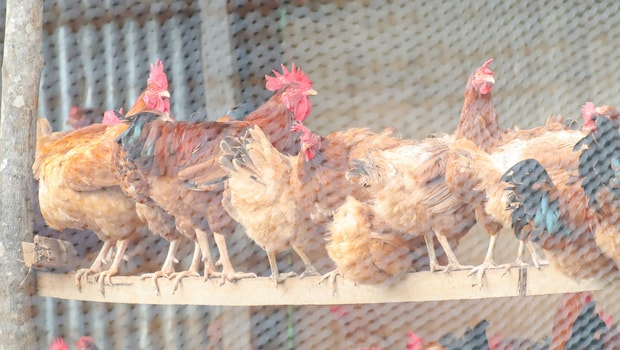
Possible Health Risks Of The Banned Antibiotics In Eggs
- These substances may damage DNA, raising concerns about long-term health impacts, particularly with repeated exposure.
- Regular consumption of food containing nitrofuran residues may place stress on organs such as the liver over time.
- Children, pregnant women and individuals with weakened immune systems are considered more susceptible to the potential effects.
- The illegal use of nitrofurans in animal farming contributes to antibiotic resistance, which poses a broader public health challenge beyond individual exposure.
Food safety authorities generally treat the detection of nitrofurans in eggs as a serious violation, as there is no approved safe limit for their presence in food. Any confirmed detection typically leads to sample testing, traceability checks and possible enforcement action against producers. Medical experts have emphasised the need for stringent food safety checks and sourcing eggs from trustworthy suppliers.
Also Read: How To Tell If Eggs Have Gone Bad? Try This Phone Flashlight Trick, Suggests Fitness Influencer
Disclaimer: This content including advice provides generic information only. It is in no way a substitute for qualified medical opinion. Always consult a specialist or your own doctor for more information. NDTV does not claim responsibility for this information.