



International Tea Day is a celebration of the beloved beverage that unites people across cultures and continents. Observed on December 15, it recognises the significance of tea in our lives. Beyond being a household staple, some of India's finest brews command premium prices worldwide.
From the majestic gardens of Darjeeling to the lush fields of Assam, these exceptional teas are coveted by connoisseurs who pay staggering sums for their rarity and craftsmanship. As we mark International Tea Day, let's explore some of India's most exquisite and expensive teas that are truly worth savouring.
Also Read: "Pure Smoky, Winter Magic": Harsh Goenka Shares Recipe For Surat-Style Ponk
International Tea Day: A Brief History
Tea has two globally recognized dates of celebration. The first observance took place on December 15, 2005, following discussions at the World Social Forum and was initially marked in New Delhi, India. This initiative aimed to draw attention to the working conditions and livelihoods of tea workers and small-scale growers. Over time, countries like Sri Lanka, Nepal, and Kenya also adopted this date.
In 2019, the United Nations General Assembly officially declared May 21 as International Tea Day, with the first UN-recognized celebration held in 2020. Since then, May 21 has been observed worldwide as the official day dedicated to tea.
International Tea Day 2025: 6 of India's Most Expensive Teas You Should Know About
1. Darjeeling First Flush (Premium Estates)
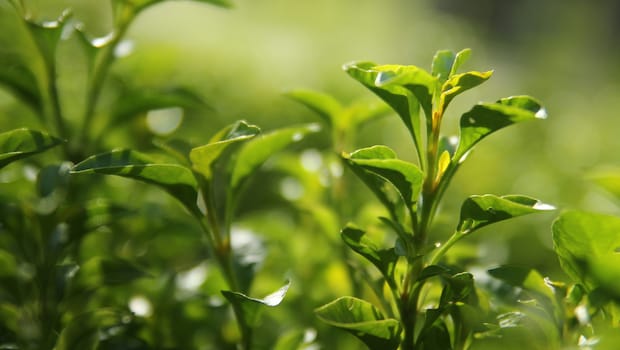
Photo: Unsplash
Known for its delicate liquor and floral notes, Darjeeling First Flush is a spring harvest tea prized for its limited availability and estate-specific character. Prices range from ₹800 to ₹8,000 per 100g, with rare auction lots fetching even higher amounts.
2. Manohari Gold (Assam)
This golden-tipped Assam orthodox tea is highly sought after and has set record prices at Guwahati auctions. It is limited, hand-plucked yields and striking golden tips make it a collector's delight, with prices reaching ₹99,999 per kilogram, and even higher in private deals.
3. Silver Tips Imperial (Makaibari, Darjeeling)
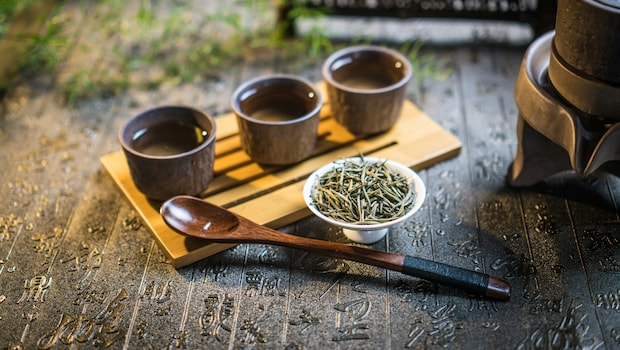
Photo: Unsplash
Plucked on full-moon nights and produced in extremely limited quantities, Makaibari's Silver Tips is a ceremonial tea cherished by connoisseurs. It is priced at around ₹1,950 for 50g.
4. Golden Needle (North-Eastern Estates)
Golden Needle teas are rare, golden-tipped orthodox varieties made from the finest buds. Exceptional harvests and limited production push prices up to ₹40,000 per kilogram for rare auction lots.
5. Makaibari Vintage & Estate Specials (Darjeeling)
These biodynamic teas, crafted from legacy bushes and produced in tiny batches, are valued for their provenance and exclusivity. Limited editions often cost several thousand rupees per 100g.
6. Assam Orthodox Golden Tips And Nilgiri Frost Tea
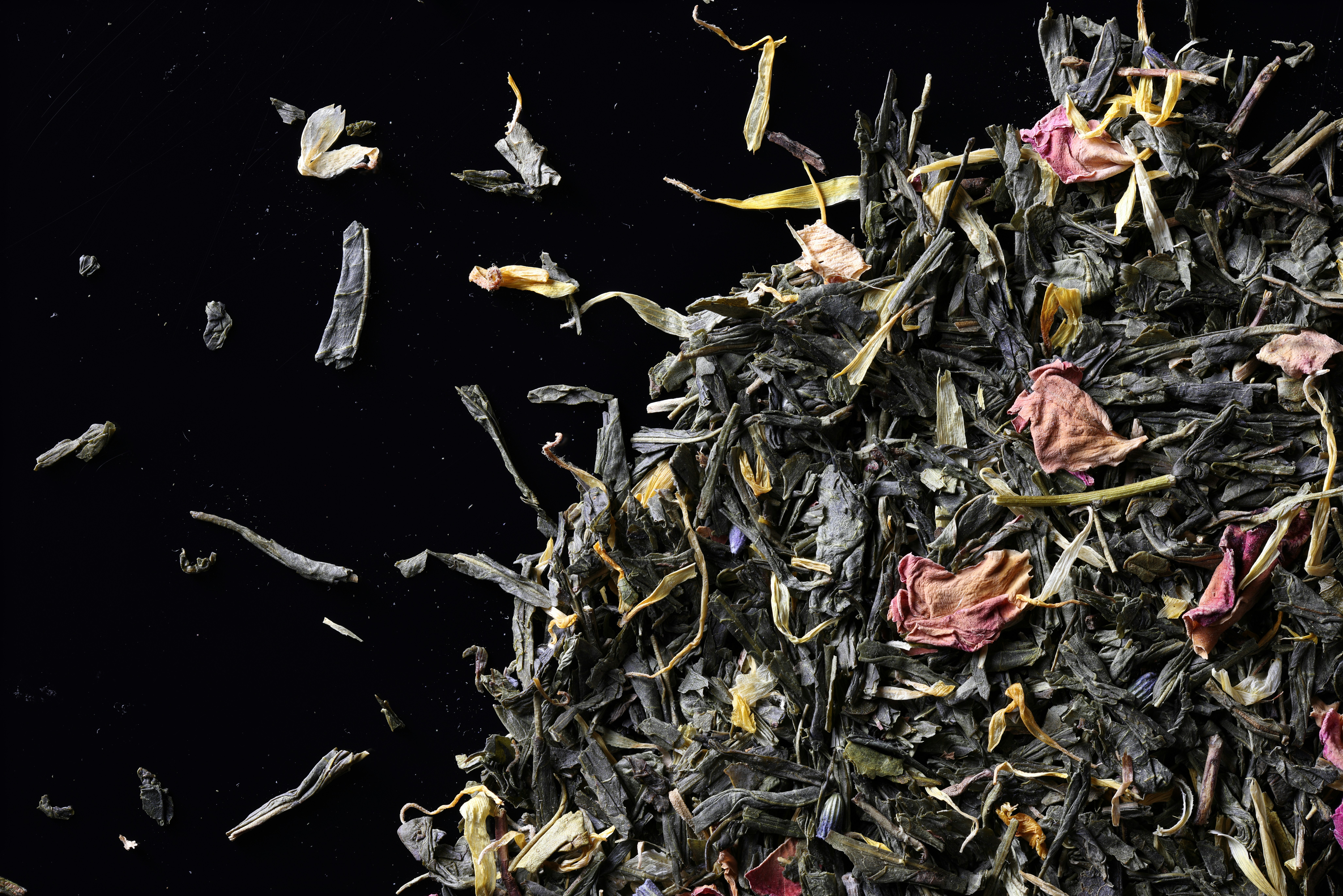
Assam's Golden Tips, made using artisanal methods, have set auction records with prices exceeding ₹70,000 per kilogram. Nilgiri Frost teas, harvested after rare cold snaps, are equally prized, starting at ₹520 per 100g.
Also Read: Etiquette Coach Teaches How To Formally Eat An Orange, Internet Cannot Stop Laughing
Brewing Tips for Premium Teas
1. Use Fresh, Filtered Water
- Avoid hard or chlorinated water as it can alter the delicate flavors of premium teas
2. Maintain the Right Temperature
- Green and white teas: 70–80°C
- Oolong teas: 80–90°C
- Black teas: 90–95°C
(Never use boiling water for delicate teas like Darjeeling First Flush.)
3. Measure Carefully
- Use 2–3 grams of tea per 150 ml of water for optimal flavor.
4. Steep for the Recommended Time
- Darjeeling First Flush: 3–4 minutes
- Assam Orthodox: 4–5 minutes
- White teas: 2–3 minutes
(Over-steeping can make the tea bitter.)
5. Avoid Sugar and Milk
- Premium teas are best enjoyed plain to appreciate their nuanced flavors.
6. Pre-Warm Your Teapot and Cups
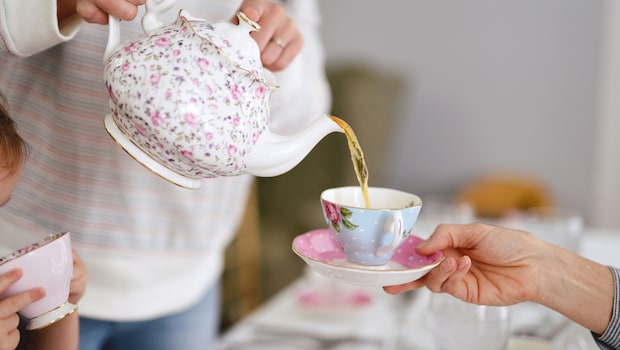
Photo: Unsplash
- This helps maintain the correct brewing temperature throughout the process.
7. Use Glass or Porcelain Teaware
- Non-reactive materials preserve the tea's aroma and taste.
8. Enjoy Multiple Infusions
- High-quality teas often taste better with second or third brews, revealing new flavor notes.
9. Store Properly
- Keep tea in airtight containers away from light, moisture, and strong odors.
10. Sip Slowly
- Premium teas are meant to be savored, not rushed.
This International Tea Day, these rare and luxurious brews remind us that tea is not just a drink, but a legacy of craftsmanship, patience and tradition steeped in every sip.