


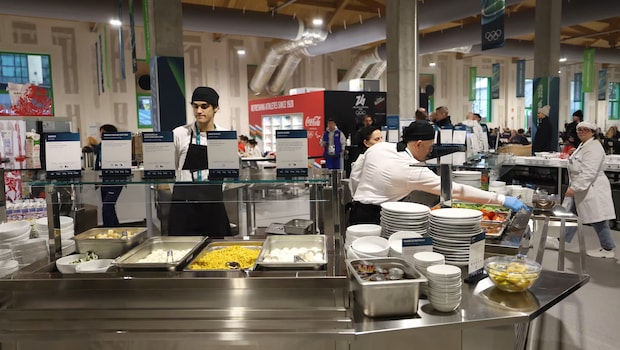
If you think the only highlights of the Winter Olympics are record-breaking runs and podium moments, think again. In northern Italy this February, as athletes chase medals and national pride, the story off the field is every bit as compelling - and it starts in the dining hall. At the Milano and Cortina Olympic Villages, the official food programme has become a talking point of its own, blending Italy's rich culinary heritage with the precise nutritional needs of elite competitors. From pasta that captures the spirit of the host nation to menu options designed for performance and recovery, here's what's on the plate at the Winter Games.
Also Read: Haldiram's Hyderabad Store Under Fire For Allegedly Selling Expired Food
Italian Flavours Meet Athlete Nutrition

Representative Photo: Unsplash
At the heart of the Winter Olympics food experience is a simple philosophy: serve athletes authentic Italian flavours while making sure they get the nutrition they need. According to the official Winter Olympics site, the culinary programme offers iconic products and dishes from Italy's host regions, aiming to give competitors an “authentic taste of Italy” throughout the Games.
Menu highlights include:
- Pasta and pizza: staples of Italian cuisine, featured prominently in carbohydrate stations.
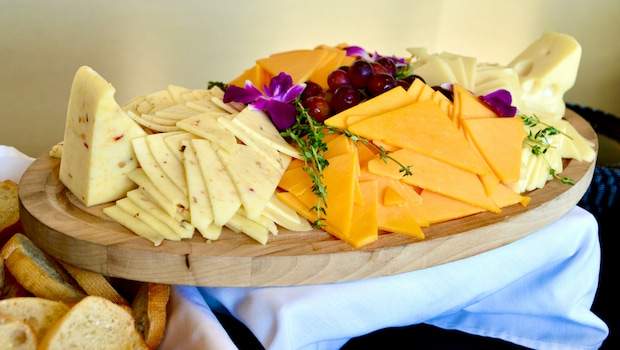
- Regional favourites such as local cold cuts, cheeses and desserts that reflect the diversity of Milan, the Dolomites and the surrounding areas.
- Classic Italian treats like tiramisu and other sweets that bring a sense of comfort between training and competition.
This isn't just about flavour - it's about combining tradition with purposeful nutrition to keep athletes energized.
Food Built Around Performance Needs
Representative Photo: Unsplash
Behind the scenes, the Olympic kitchens are massive operations, working 24/7 to feed thousands of competitors. Key points from the official menu plan include:
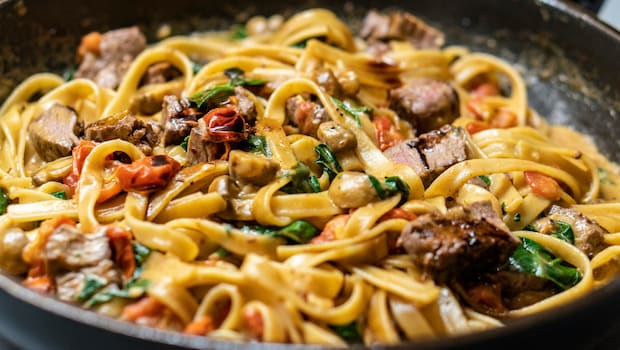
- Huge daily output: Over 450 kg of pasta is served every day in the Milan Olympic Village alone - a testament to both Italian heritage and dietary energy needs.
- Balanced profiles: Stations are set up to offer a range of proteins, carbohydrates and lighter fare to match training loads and recovery demands.
- Around-the-clock service: Meals are available throughout the day with separate offerings for breakfast, lunch and dinner.
Menu diversity ensures athletes from all over the world can find something that suits their nutritional plan, whether they need fuel for sprinting or strength for endurance events.
Consistent Menus Across All Villages
Representative Photo: Unsplash
The dining halls at Milano, Cortina and Predazzo Olympic Villages follow the same culinary principles, aiming for consistency across locations. According to organizers, the menu draws from the host areas' culinary traditions while still addressing the global nature of the Games.
What this means for athletes:
- Regional Italian products aren't just extras – they are at the core of many stations.
- Everything from bread and pasta to cold cuts and cheeses reflects the host nations' tastes.
- Dietary needs, from vegetarian to culturally specific options, are integrated throughout, not separated off.
Food isn't an afterthought here. In many ways, it's part of the Games' cultural showcase.
Also Read: GI-Tagged Indian Coffee Gets Global Recognition At AI Impact Summit 2026
More Than Just Meals For The Athletes
What makes the Olympic food story exciting is how it brings together performance needs and culinary tradition. Beyond the pasta and pizza, the official programme emphasizes that high-quality ingredients and local flavours are part of the athlete experience, whether it is a quick lunch between events or a relaxed meal after a long day of competition.
In a setting where every detail matters, from recovery to hydration, the dining halls reflect both Italy's gastronomic strengths and the careful planning behind feeding some of the world's best athletes.