

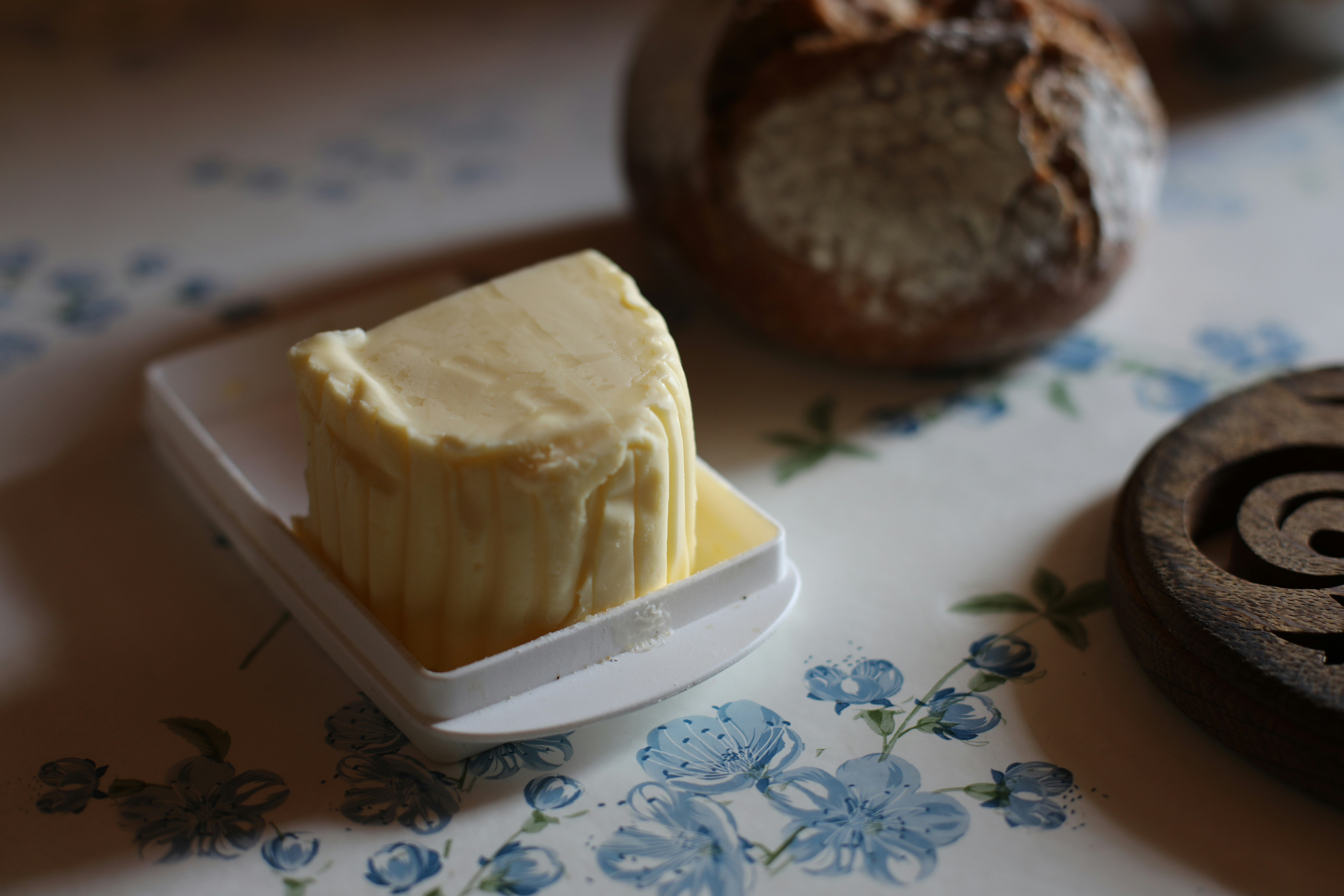
Breakfast in most Indian homes is a negotiation between convenience and comfort. Between the alarm going off and the day actually starting, there is a narrow window where food needs to happen quickly and taste like you made an effort. Toast is the answer most mornings. Simple, fast, reliable. But plain toast with plain butter, while completely fine, is also one of the most underachieving things you can do in a kitchen. Flavoured butter changes all of that with almost no extra effort. Mix a few ingredients into softened butter, roll it up, refrigerate it, and your morning toast goes from background task to something genuinely worth looking forward to. Here are five versions worth making this weekend.











Also Read: Enjoy Holi Guilt-Free With This Gujiya Made With Desi Khand
Before You Start: The Basics Of Making Flavoured Butter
The process is the same for all five butters, so get this right once, and the rest is easy.
Start with good-quality butter at room temperature. It should be soft enough to press your finger into easily but not melted. In India, Amul unsalted butter works perfectly as a base for all of these recipes since you control the salt yourself. If you only have salted butter on hand, simply skip adding any extra salt to the recipe.
Once you have mixed your flavours into the softened butter, you have two ways to store it. The first is to spoon it into a small airtight container and refrigerate it as is. The second, and more satisfying, method is to roll it into a log: spoon the flavoured butter onto a sheet of cling film or baking paper, roll it into a cylinder shape, twist the ends to seal, and refrigerate for at least two hours until firm. The log method lets you slice off neat rounds whenever you need them, which feels very professional for something that took ten minutes. Flavoured butter keeps in the fridge for up to two weeks and in the freezer for up to three months, so making a batch on a Sunday means effortless mornings for the whole fortnight ahead.
One more tip before you begin: always let any cooked or warm additions like caramelised onions or roasted garlic cool completely before mixing them into butter. Warm ingredients will melt the butter and ruin the texture, and you will end up with a greasy puddle rather than a creamy, spreadable compound butter.
1. Honey Cinnamon Butter
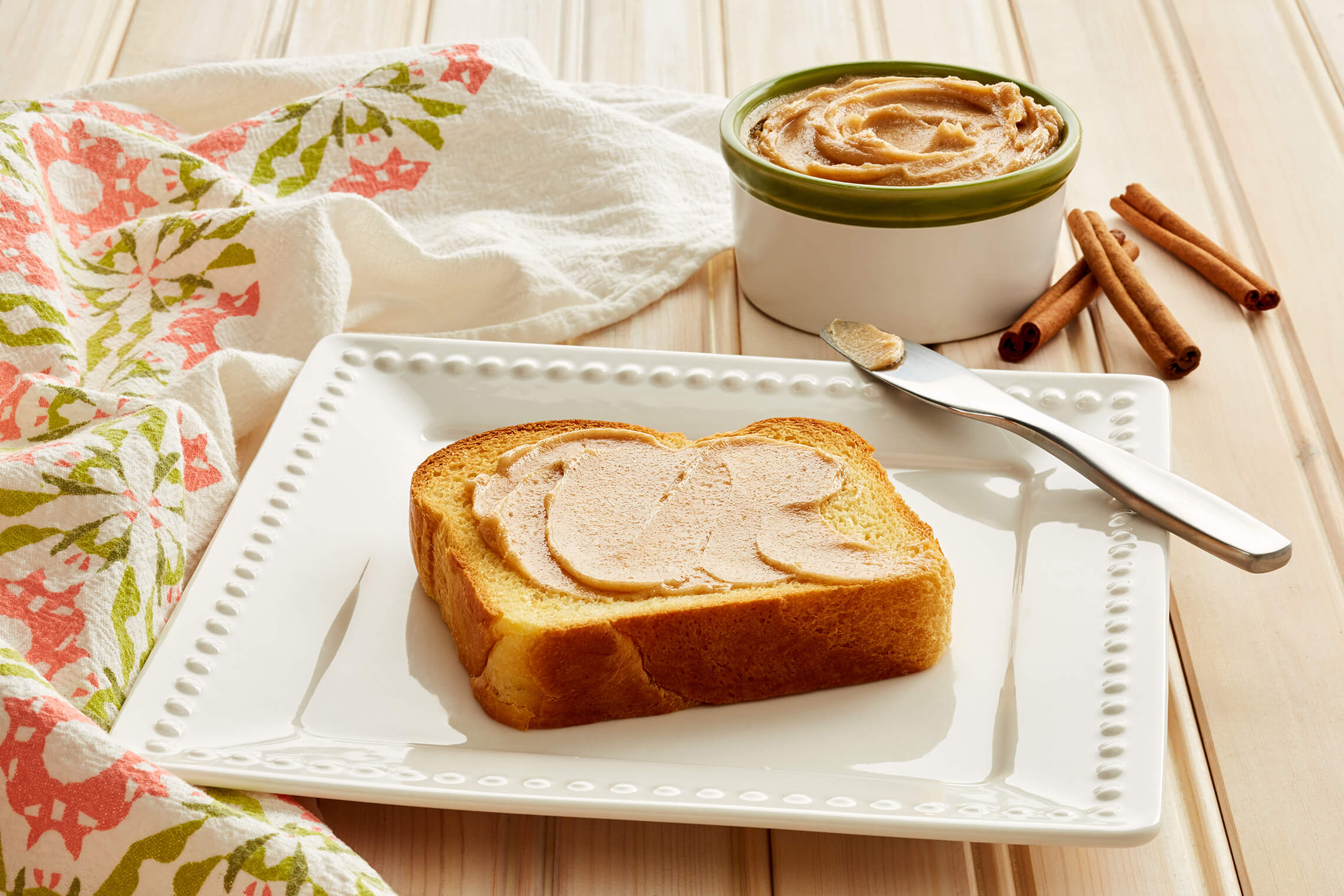
This is the warmest, most comforting of the five, and it is the one most likely to convert someone who has never tried flavoured butter before. Sweet, fragrant, and faintly spiced, it is brilliant on multigrain toast, spread over breakfast pancakes, or melted onto a warm paratha when you want something slightly indulgent without being excessive.
What you need:
- 100g unsalted butter, softened
- 2 tablespoons good-quality honey
- 1 teaspoon ground cinnamon
- A few drops of vanilla extract (optional but recommended)
- A pinch of salt
How to make it: Beat the softened butter until smooth and creamy using a fork or a hand mixer. Add the honey, cinnamon, and vanilla extract and beat again until everything is fully incorporated and the butter is a uniform pale golden colour. Taste and add a small pinch of salt to balance the sweetness. Transfer to a container or roll into a log and refrigerate until set.
Pro tips: Use raw honey rather than processed honey if you can find it. The flavour is deeper and more complex.
Best on: Multigrain or whole wheat toast, warm pancakes, banana bread, or simply stirred into warm oatmeal.
2. Roasted Garlic And Herb Butter

The most versatile of the five, this is not just a toast butter. It is the butter you reach for when you want garlic bread with dinner, when you are making pasta and want to finish it with something richer than plain butter, or when you want to make an omelette that tastes as if it came from a good restaurant. On toast, it is earthy, savoury, and deeply satisfying.
What you need:
- 100g unsalted butter, softened
- 1 small head of garlic (for roasting) or 2 cloves raw garlic, very finely minced
- 2 tablespoons fresh parsley, finely chopped
- 1 teaspoon fresh or dried oregano
- A pinch of white pepper
- Salt to taste
How to make it: If roasting the garlic (which gives a sweeter, milder result), slice the top off a whole garlic head, drizzle with a little oil, wrap in foil, and roast at 180°C for 35 to 40 minutes until the cloves are completely soft. Squeeze the roasted cloves out and let them cool completely. If using raw garlic, mince it very finely. Mix the garlic into the softened butter along with the parsley, oregano, and white pepper. Season with salt. Beat until smooth. Refrigerate.
Pro tips: The single most important thing with garlic butter is proportions. One clove of raw garlic per 100g of butter is your maximum. Roasted garlic is far more forgiving and gives a sweeter, nuttier result that blends more harmoniously with the butter.
Best on: Sourdough toast, a crusty baguette slice, spread under the skin of chicken before roasting, or tossed through hot pasta.
3. Lemon Zest And Honey Butter

Bright, citrusy, and slightly sharp, this is the summer morning butter: the one that makes a glass of chilled nimbu pani seem redundant because breakfast already has all the lemon you need. It is light enough not to feel heavy first thing in the morning, but interesting enough to make toast feel like a deliberate choice rather than a default one.
Also Read: A Rare Restaurant In Noida Where You Can Dine Like A Nawab - At Majlis
What you need:
- 100g unsalted butter, softened
- Zest of 1 large lemon (unwaxed if possible)
- 1 tablespoon honey
- A pinch of salt
How to make it: Zest the lemon directly onto the softened butter so none of the fragrant oils is lost. Add the honey and salt and beat together until smooth. The butter will turn a faint yellow and smell wonderfully fresh. Roll into a log, wrap, and refrigerate.
Pro tips: The key step here is getting the zest right. Use only the outermost yellow layer of the lemon skin.
Best on: Brioche toast, milk bread, plain crackers, or melted over grilled fish and steamed vegetables.
4. Caramelised Onion And Black Pepper Butter
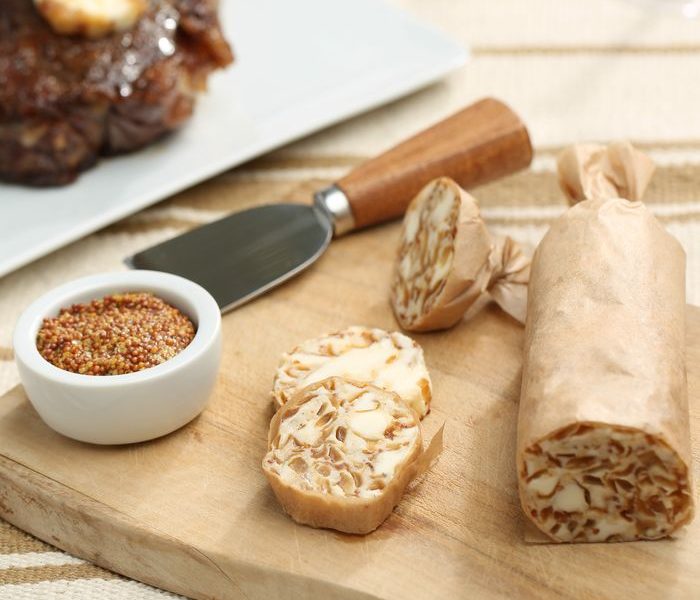
This is the most complex of the five and the most rewarding. The process of caramelising onions takes time and patience, but it transforms a sharp, astringent vegetable into something sweet, jammy, and deeply savoury, and that transformation carries entirely into the butter. A thick smear of this on hot sourdough toast with a soft-boiled egg on the side is a breakfast that feels considerably more deliberate and special than the effort involved.
What you need:
- 100g unsalted butter, softened
- 1 medium onion, very finely chopped
- 1 tablespoon oil (for cooking the onions)
- Freshly cracked black pepper to taste
- Salt to taste
How to make it: Heat the oil in a small pan over low heat and add the chopped onion with a pinch of salt. Cook slowly over low to medium heat, stirring occasionally, for 20 to 25 minutes until the onion is deeply golden, very soft, and reduced to about a third of its original volume. Do not rush this step. High heat will brown the onion without caramelising it, and the flavour will be harsh rather than sweet. Remove from heat and allow to cool completely, at least 30 minutes. Once completely cool, mix the caramelised onion into the softened butter along with cracked black pepper. Taste, adjust seasoning, and refrigerate.
Pro tips: The patience required for caramelisation is the only non-negotiable here. Add a very small pinch of sugar to the onion halfway through cooking if it needs encouragement.
Best on: Thick sourdough or whole wheat toast, with eggs in any form, spread onto a roll before making sandwiches, or melted over a grilled steak.
5. Dark Chocolate And Sea Salt Butter
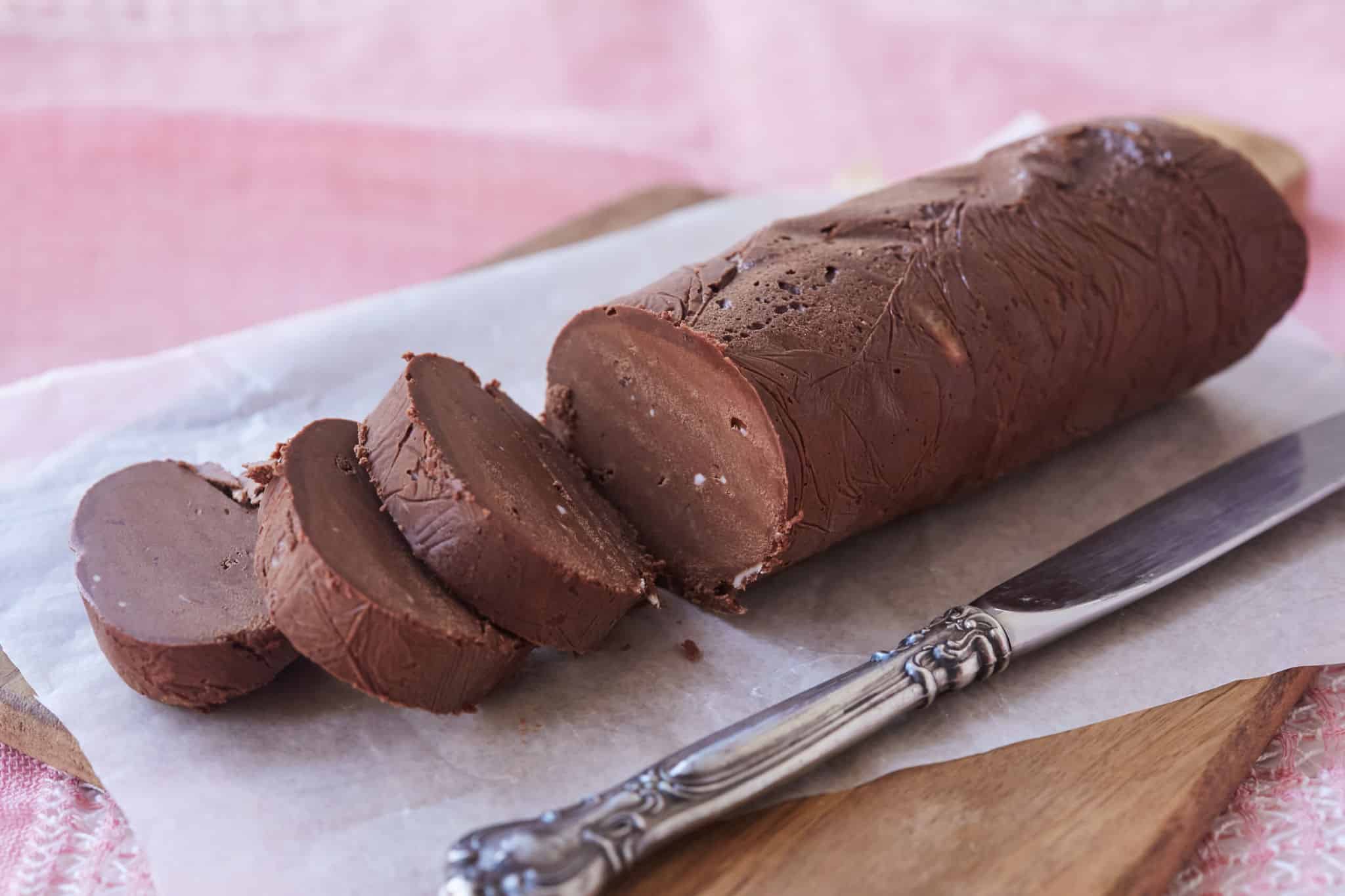
This one is for the mornings when you want dessert for breakfast, and you have decided not to feel guilty about it. Dark chocolate and butter together are a combination that needs no justification. On warm toast, this butter melts into the bread in a way that is genuinely, unreservedly good. Children love it, adults love it more, and it takes about three minutes to make.
What you need:
- 100g unsalted butter, softened
- 2 tablespoons good-quality cocoa powder (not drinking chocolate)
- 2 tablespoons icing sugar
- A generous pinch of flaky sea salt or regular salt
- Half a teaspoon of vanilla extract
How to make it: Sift the cocoa powder and icing sugar together to avoid lumps. Beat into the softened butter along with the vanilla extract until the mixture is smooth, dark, and uniform. Add the salt and mix again. Transfer to a container or roll into a log and refrigerate until firm.
Pro tips: The quality of the cocoa powder matters enormously here. A good Dutch-processed cocoa gives a deep, rounded chocolate flavour.
Best on: White bread toast, brioche, croissants, warm banana bread, or with fresh strawberries as a fruit dip.
Also Read: Is Your Jaggery Pure? FSSAI Shares A Simple Home Test To Detect Adulteration
Elevate Your Morning Toast
The five butters above cover the full range of what breakfast can be: warming and sweet on a slow Sunday, sharp and citrusy when the morning is too bright to eat heavily, savoury and complex when toast needs to do more than just hold up eggs. Make them over a weekend, line them up in the fridge, and your mornings change. Not dramatically, not expensively, not with any particular effort. Just a little better, a little more considered, and a little more worth waking up for. Good butter is one of the simplest pleasures in a kitchen. Flavoured butter is that, but with something extra to say.