




Every culture that experiences winter developed soup traditions because soup addresses something fundamental: the simultaneous need for nourishment, warmth, and comfort when temperatures drop. The world's winter soups share remarkable similarities despite geographic separation. All slow-cook ingredients into deepening flavours. All use warming broths as foundations. All emerge from practical necessity transformed into a comfort ritual. Yet within these universal principles live distinctly different approaches. French onion soup builds towering caramelisation. Thai hot-and-sour soup layers heat with brightness. Japanese miso broth whispers rather than shouts. Eastern European borscht tastes earthily complex. Chinese medicinal broths address wellness through food simultaneously. Understanding why these soups matter requires understanding how climate shapes cuisine, how survival becomes tradition, and how one-pot meals become culture.
Also Read: Cold Wave Alert: 6 Desi Indian Foods That Keep You Warm From Within
For Indian cooks especially, these global soups offer techniques worth learning: the patience required for proper caramelisation, the balance between heat and acid, the understanding that simplicity requires genuine skill. These five soups represent the world's approach to winter eating.
Here Are 5 Winter Soups Around The World Bringing Global Flavours Home
1. French Onion Soup: Caramelisation As Philosophy
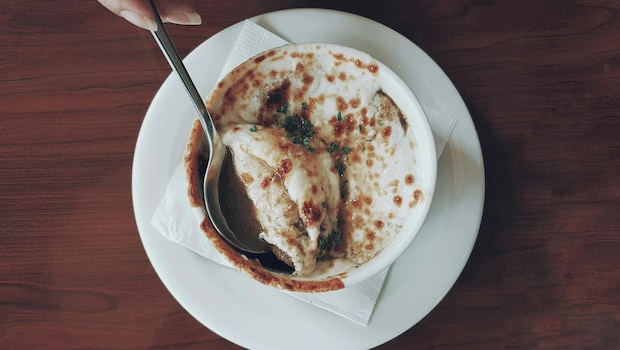
Photo Credit: Pexels
French onion soup emerged as peasant food in medieval France. Onions were cheap, available year-round, and could be stored without refrigeration. Slowly cooking enormous quantities of onions transformed them from humble to transcendent. The soup remained working-class food until the 18th century, when it became fashionable among the French nobility. Legend claims King Louis XV invented it after hunting, using only onions, butter, and water available at a hunting lodge.
Recipe Overview:
You need 2 kilograms of onions (yes, that many), 4 tablespoons of butter, 1 litre of meat stock, salt, pepper, thyme, and crusty bread with grated Gruyère cheese. Slice onions thinly. Melt butter in a heavy-bottomed pan over medium heat. Add onions and cook, stirring occasionally, for 45-50 minutes. The onions will transform from white to golden to deep brown. This isn't burning. This is caramelisation. Sugar in the onions transforms into complex compounds, creating sweetness and depth. Once properly caramelised, add stock, thyme, salt, and pepper. Simmer 20 minutes. In a separate pan, toast bread slices, top with Gruyère, and broil until melted. Ladle soup into bowls, top with cheese toast, and serve immediately.
French onion soup tastes sweet from caramelised onions, savoury from beef stock, rich from cheese, and complex from extended cooking. The sweetness doesn't come from added sugar. It comes from time and technique. Every spoonful delivers onion depth, meat savouriness, and cheese richness simultaneously.
2. Asian Hot-and-Sour Soup: Heat And Brightness Balance
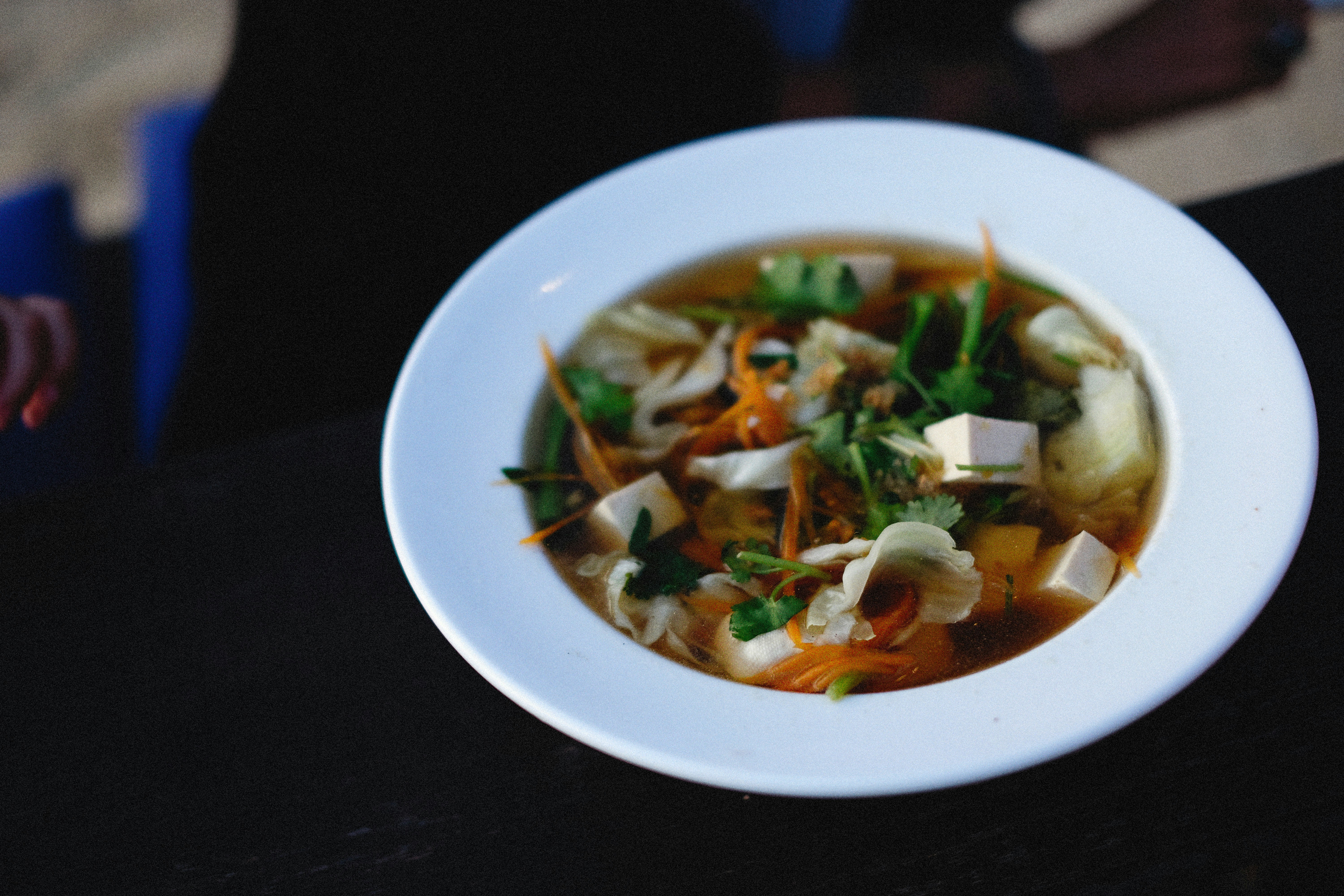
Hot-and-sour soup originates from Sichuan province in China, famous for numbing-spicy Sichuan peppercorns and chillies. The soup embodies Chinese philosophy of balancing complementary flavours: heat from chilli, sourness from vinegar, richness from pork or chicken, brightness from green onions. The soup travelled throughout Asia with regional variations. Thai versions add coconut and lemongrass. Vietnamese versions emphasise herbs. Each culture adapted it to local ingredients.
Recipe Overview:
Heat 1 litre of chicken stock in a pan. Add 2 tablespoons of vinegar, 1 tablespoon of soy sauce, 1 teaspoon of sugar, 1 tablespoon chilli paste, and 2 teaspoons of minced fresh ginger. Simmer 10 minutes so flavours marry. Add 300g sliced mushrooms (shiitake work beautifully), 200g sliced bamboo shoots, 100g sliced bell pepper, and 200g cooked pork or chicken. Simmer 10 minutes. Add 2 teaspoons of cornstarch mixed with 3 tablespoons of water to thicken slightly. Finish with 2 teaspoons of sesame oil, a pinch of white pepper, and fresh green onions. Serve immediately.
Hot-and-sour soup is complex and bright. Heat builds gradually from chilli. Sourness arrives from vinegar, creating tang. Umami comes from soy, mushrooms, and meat. Sesame oil adds richness. The overall effect is warming yet refreshing simultaneously.
3. Borscht: Earthiness And Acidity Combined
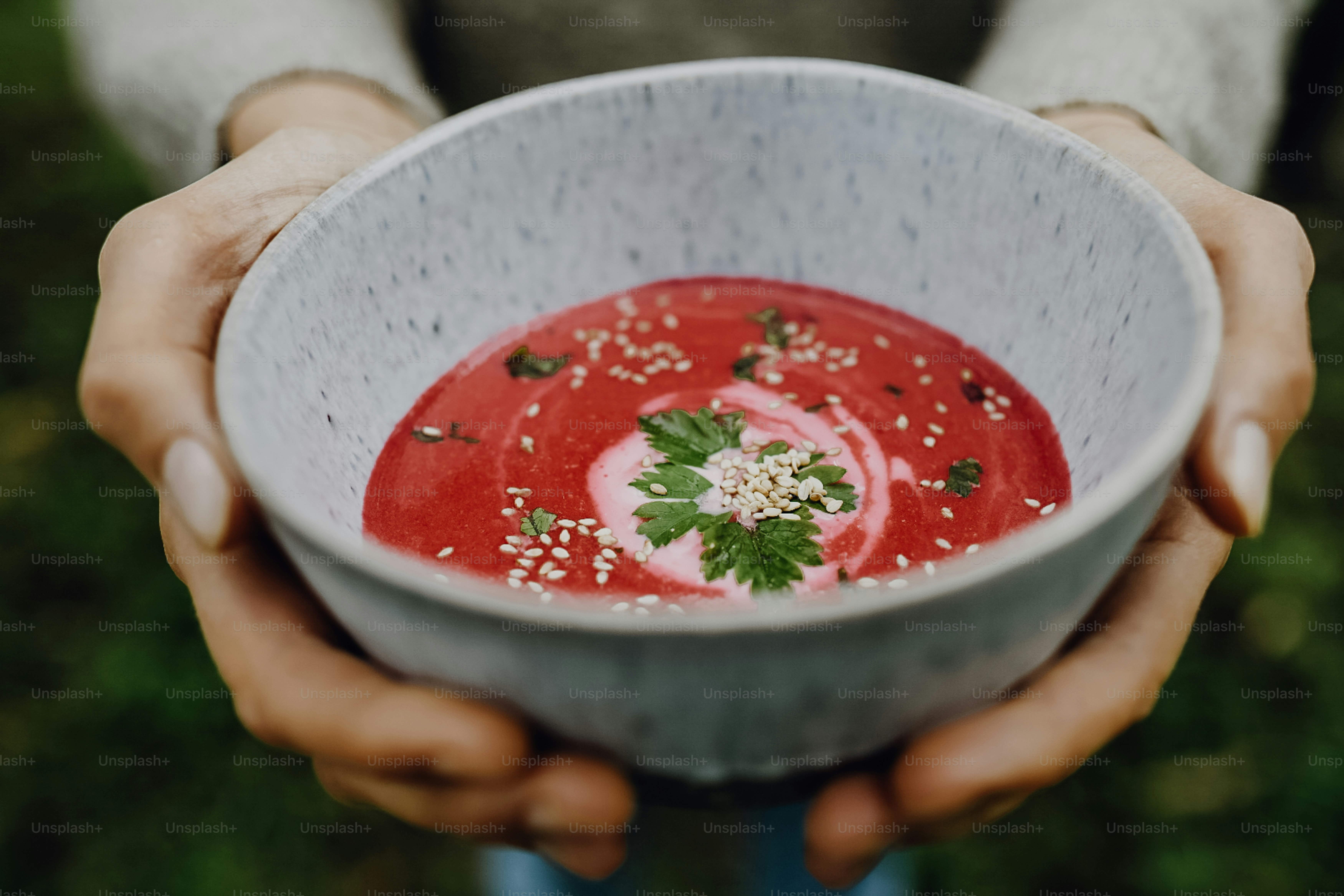
Borscht originates from Eastern Europe, particularly Ukraine, Poland, and Russia. The soup celebrates beetroot, the region's hardy winter vegetable that stores well and provides crucial vitamins during long, dark winters. Borscht appears warm or cold, thick or thin, with meat or vegetarian. Every family guards its recipe jealously. The soup represents survival, culture, and identity simultaneously.
Recipe Overview:
In a pot, heat 2 tablespoons of oil and sauté 1 diced onion and 3 minced garlic cloves until soft. Add 800g grated beetroot, 2 diced potatoes, 1 litre beef or vegetable stock, 2 tablespoons vinegar (or to taste), 1 tablespoon sugar, salt, and pepper. Simmer 30-40 minutes until vegetables are tender. The soup should taste balanced: earthy from beetroot, sour from vinegar, slightly sweet from added sugar, savoury from stock. Finish with fresh dill and a dollop of sour cream. Serve warm.
Borscht is earthy, complex, and slightly tangy. Beetroot's earthiness forms the foundation. Vinegar creates brightness. Sour cream adds richness. Dill brings herbaceous freshness. The combination feels substantial without being heavy.
Also Read: 5 Foolproof Tips For Making Kerala-Style Sweet Banana Appam At Home
4. Thai Tom Yum: Lemongrass Aromatics And Heat
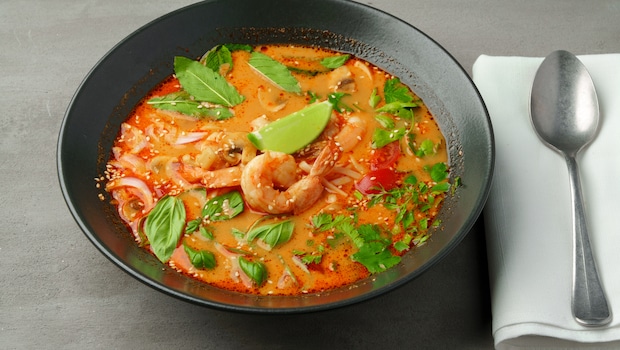
Photo Credit: iStock
Tom Yum originates in Thailand and represents Southeast Asian soup principles: a balance between hot, sour, sweet, and salty simultaneously. The soup varies tremendously by region and cook. Some versions are brothier, others nearly stew-like. The constant is lemongrass, galangal, and lime juice, creating that unmistakable aromatic profile.
Recipe Overview:
Heat 1 litre of stock in a pot. Bruise 3 stalks of lemongrass (smash with the side of a knife to release oils) and add to the stock. Add 3 slices fresh galangal (or ginger), 3-4 bird's eye chillies (whole or halved depending on heat preference), and 3-4 lime leaves. Simmer 10 minutes so aromatics infuse. Add 300g shrimp or chicken, 200g sliced mushrooms, and 100g bamboo shoots. Simmer 5-10 minutes until proteins cook. Finish with juice of 1-2 limes, 1-2 tablespoons fish sauce, 1 teaspoon sugar, and fresh coriander. The balance of lime (sour), fish sauce (salty), chilli (hot), and stock (savoury) creates the characteristic profile.
It's bright, hot, and aromatic simultaneously. Lemongrass and galangal create the signature aroma that announces the dish. Heat builds gradually from chillies. Lime creates sourness. Fish sauce adds umami depth. The overall effect is warming yet refreshing.
5. Japanese Miso Broth: Umami Whisper

Japanese miso soup represents simplicity elevated through technique. Miso (fermented soybean paste) provides umami depth. Dashi (broth made from kombu seaweed and bonito flakes) provides a subtle flavour. The combination of fermented and umami-rich ingredients creates something deeply satisfying with minimal components. The soup appears at breakfast, lunch, and dinner. It's not special occasion food. It's daily food.
Recipe Overview:
Make dashi by bringing 1 litre of water to a boil with 10-15cm of kombu (dried seaweed). Just before boiling, remove the kombu. Add a handful of bonito flakes (katsuobushi), remove from heat, and let steep 5 minutes. Strain through cheesecloth. In a pot, gently heat the dashi without boiling (boiling damages delicate flavours). Dissolve 3-4 tablespoons of miso paste in a small bowl with some warm dashi, then stir it into the pot. Add cubed soft tofu (100g), sliced green onions, and perhaps some seaweed (wakame). Serve immediately in small bowls.
The broth tastes subtle. It's complex and deeply umami. The fermented miso provides saltiness and depth. The dashi provides a delicate broth flavour. Tofu adds creaminess. Green onions add brightness. The overall effect is warming and nourishing without being aggressive.
Also Read: Chocolate Chip Banana Bread Recipe: Perfect Pairing With Hot Coffee For Winter Mornings
Making These Soups At Home: Indian Ingredient Adaptations
French Onion Soup Adaptations:
Use ghee instead of butter. The depth remains unchanged. Substitute meat stock with vegetable stock plus soy sauce for umami. The caramelisation technique remains identical.
Hot-and-Sour Soup Adaptations:
Sichuan peppercorns are available in Indian markets. Sesame oil is increasingly common. The soup translates easily to Indian kitchens.
Borscht Adaptations:
Beetroot grows in Indian winter gardens. Sour cream translates to Greek yoghurt. The soup feels almost native.
Tom Yum Adaptations:
Lemongrass and galangal are available fresh in Indian cities. Lime and fish sauce are manageable substitutes or omissions.
Miso Broth Adaptations:
Kombu and miso are available online. Soft tofu is increasingly common. The soup translates with slight ingredient modification.
Winter soups from around the world share fundamental principles: slow cooking develops flavour, proper technique transforms simple ingredients, and warming food becomes ritual during cold months. Learning these soups teaches technique beyond the recipe itself. French onion soup teaches caramelisation. Hot-and-sour soup teaches balance. Borscht teaches earthiness appreciation. Tom Yum teaches aromatics importance. Miso broth teaches subtlety and respect. Together, they prove that soup wisdom exists globally. Winter becomes an opportunity to explore world cuisine through warming, nourishing bowls.