



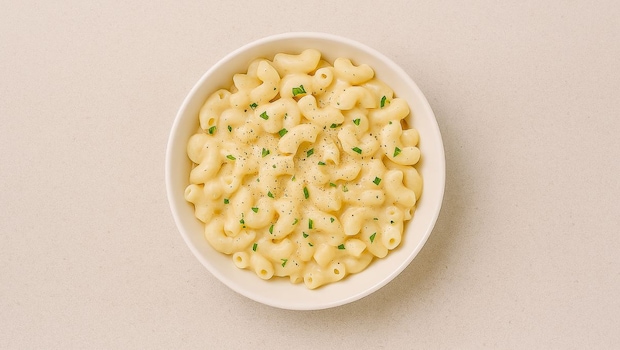
There are some dishes we almost never think twice about ordering when we sit down at a cafe. You scan the menu, pretend to explore options, and then end up ordering that familiar bowl of white sauce pasta anyway. It is comforting, indulgent, and always feels like a safe bet. On days you don't feel like stepping out, it is also one of those dishes you would happily order from your favourite food delivery app without overthinking. But here's the thing, making restaurant-style white sauce pasta at home isn't nearly as intimidating as it sounds. It is less about fancy ingredients and more about timing, texture and a few small tricks chefs swear by. If you have ever wondered why cafe pasta tastes richer and smoother, these tips will get you very close.
Also Read: Why This High-Protein Dal Cheela Recipe Works For 4 PM Hunger And Blood Sugar
Here Are 6 Tips To Make Restaurant-Style White Sauce Pasta At Home
1. Cook The Pasta Just A Little Short Of Al Dente
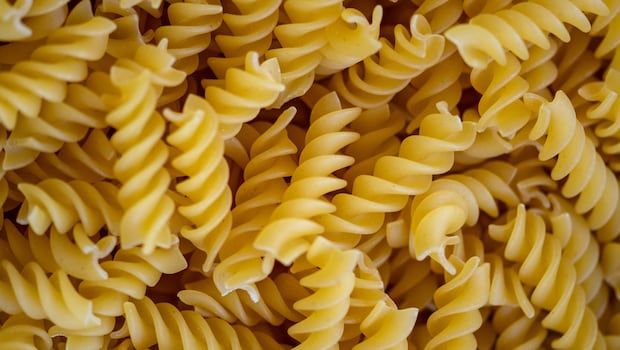
Photo: Unsplash
Restaurants rarely cook pasta fully in boiling water. Instead, they stop when it's just shy of al dente and let it finish cooking in the sauce. This prevents the pasta from turning mushy and helps it absorb flavour as it cooks. That slightly undercooked centre disappears once it simmers in the sauce, giving you pasta that's perfectly tender without falling apart.
2. Build The Sauce On Low Heat, Always
White sauce is delicate. High heat can scorch the butter, overcook the flour and cause the sauce to split later. Keep the flame low when making the base and while adding milk. Slow cooking allows the sauce to thicken evenly and keeps it creamy instead of grainy. This is one of the biggest reasons restaurant sauces feel smoother than homemade ones.

3. Let The Sauce Thicken Before Adding Anything Else

Don't rush to add vegetables, pasta or cheese before the sauce reaches the right consistency. The base should lightly coat the back of a spoon before you move ahead. Adding ingredients too early dilutes the sauce and stops it from thickening properly, leaving you with a watery pasta that never quite comes together.
4. Finish Pasta And Sauce Together In The Same Pan
This is where most home cooks miss the mark. Once the sauce is ready, add the pasta directly into the pan and toss it gently for a minute or two. A splash of reserved pasta water helps bind everything. This finishing step is exactly why the white sauce pasta you order feels evenly coated and indulgent, not dry or clumpy.
5. Turn Off The Heat Before Adding Cheese
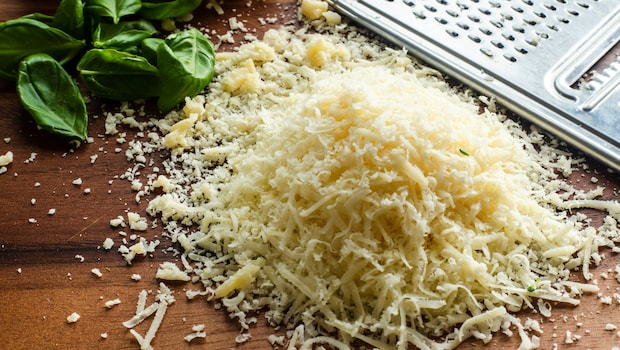
Photo: Unsplash
Cheese and high heat don't get along. Adding cheese over a live flame can cause the sauce to split and turn greasy. Always switch off the heat first, then stir in cheese gradually. This keeps the sauce glossy and smooth, instead of oily. Restaurants follow this step religiously, and it shows in the final texture.
6. Season In Layers, Not All At Once
White sauce pasta shouldn't taste bland, but it also shouldn't be aggressively flavoured. Season lightly at each stage, a pinch while making the sauce, another after adding pasta, and final adjustments at the end. This builds depth without overpowering the dish. A balanced sauce always tastes more “restaurant-like” than one heavily seasoned at the end.
Remember, getting the right balance of taste and texture in homemade white sauce pasta requires patience. If you aren't able to nail the recipe in the first try, don't worry! You can always order some delicious white sauce pasta from your favourite food delivery app and sate your cravings!
Common Mistakes That Ruin White Sauce Pasta
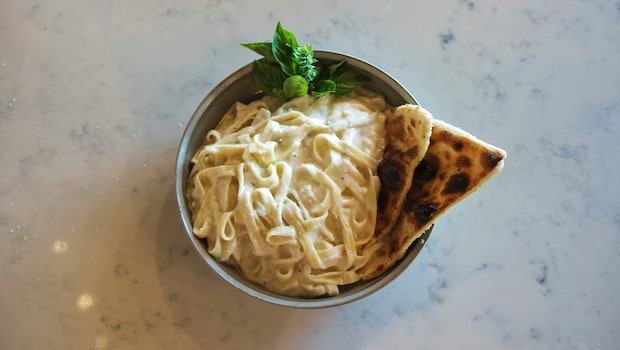
Photo: Pexels
Here are some mistakes that can actually alter the taste and texture of your homemade white sauce pasta:
1. Using Cold Milk Straight From The Fridge
Adding cold milk to the mix shocks the mixture and creates lumps, ruining the smooth texture of your white sauce.
2. Overcooking The Flour
Cooking the flour until it browns changes the flavour and colour, making the sauce taste burnt instead of creamy.
3. Adding Cheese While The Sauce Is Boiling
Dropping cheese into boiling sauce causes it to split and turn grainy, always add cheese off the heat.
4. Overloading The Sauce With Vegetables
Too many veggies release water into the sauce, making it thin and watery instead of rich and velvety.
5. Skipping Pasta Water
A splash of starchy pasta water helps bind the sauce to the pasta, giving you that restaurant-style finish.
Also Read: 4 Different Spinach Recipes From South India To Elevate Your Winter Diet
What To Add To Your Homemade White Sauce Pasta
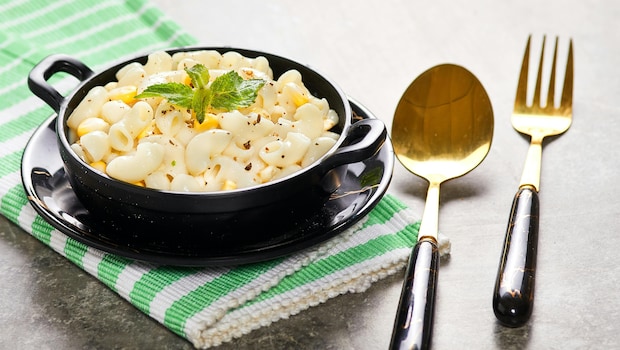
Photo: Pexels
Here are some suggestions to add to your white sauce pasta to enhance its taste:
Vegetarian Add-Ins:
- Mushrooms (pan-seared first for flavour)
- Sweet corn for mild sweetness
- Spinach or broccoli added right at the end
Protein add-ins:
- Grilled chicken or chicken sausages
- Sauteed prawns with garlic
- Crispy bacon bits for smoky depth
Keep add-ins minimal as the white sauce shines when it isn't overcrowded.
How To Reheat Leftover White Sauce Pasta Without Drying It Out
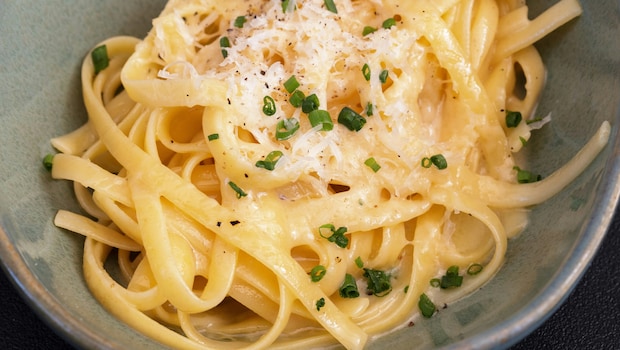
Photo: Unsplash
If you have some leftover white sauce pasta in your fridge, here's how you can reheat it:
- Reheat on low heat, never on high
- Add a splash of milk or water before heating
- Cover the pan to trap steam
- Stir gently and stop as soon as it's warm
Microwaving works too, but always reheat in short bursts with added moisture.
So, what are you waiting for? Make some delicious white sauce pasta at home today!
Disclosure: This article may contain links to third-party websites or resources. However, this does not affect the integrity of the content, and all recommendations and views are based on our independent research and judgment.