


Life inside the royal household may appear luxurious, yet their meals follow practical traditions shaped by etiquette, health considerations and public expectations. Even with world class chefs, the family often chooses caution over indulgence. These food preferences have surfaced through interviews with former royal staff and occasional comments from the royals themselves. Each choice reflects the need to stay composed during tightly scheduled engagements. Rather than being strict bans, these habits are simply thoughtful adjustments to ensure public duties run smoothly.
Foods The Royals Commonly Avoid And The Reasons Behind Them
1. Shellfish
Shellfish is often set aside because it carries a higher risk of food poisoning, something the royals prefer to avoid during travel and during public duties. Former royal butler and etiquette expert Grant Harrold told the Daily Express, "When dining, the Royal Family has to be careful with shellfish due to shellfish poisoning. You will not normally find this on the royal menu."
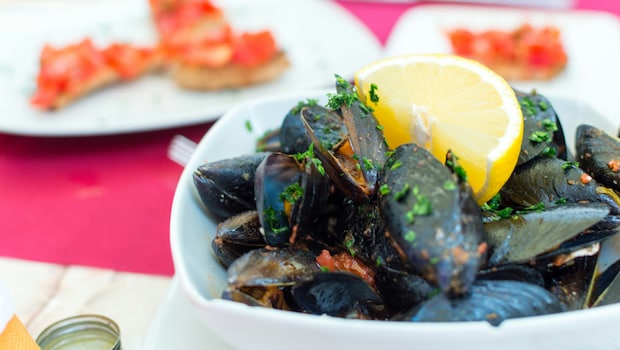
Photo Credit: Unsplash
2. Garlic
Garlic is rarely used at official royal meals. Queen Camilla herself confirmed this during a 2018 appearance on MasterChef Australia, saying garlic is avoided because of its strong smell, which can be distracting during close conversation. Parade reported her remark directly, noting that she called garlic a "no no."
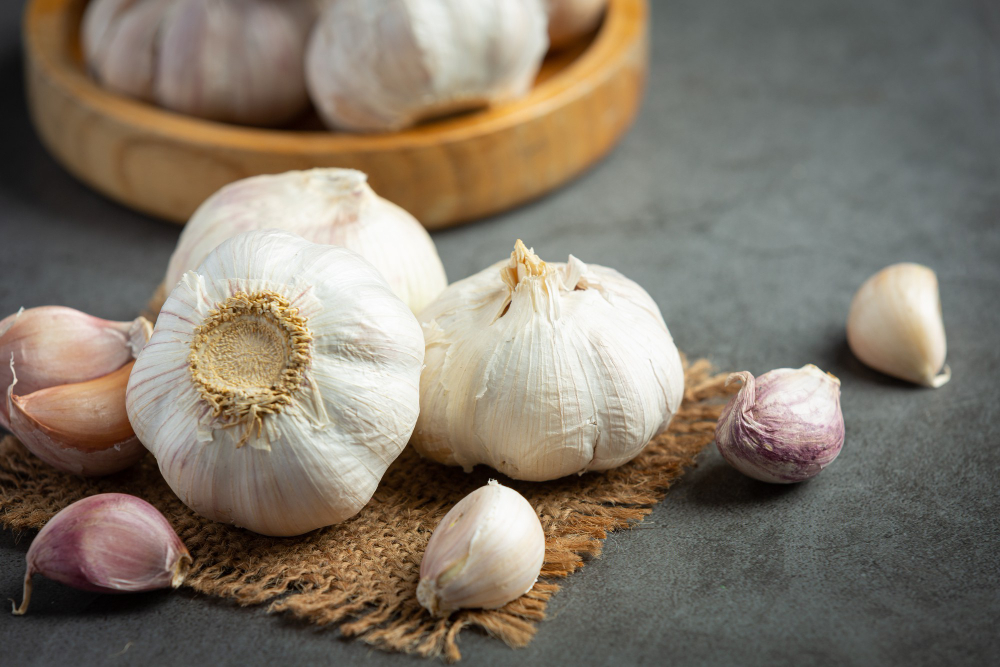
Photo Credit: Freepik
3. Onions
Raw onions are generally avoided in royal kitchens because their strong scent can linger during close interactions, which is something senior members of the family try to prevent during public engagements. Former palace chefs have mentioned in interviews shared by HELLO! Magazine that raw onions were rarely used for this reason, noting that etiquette often outweighs flavour in royal dining.
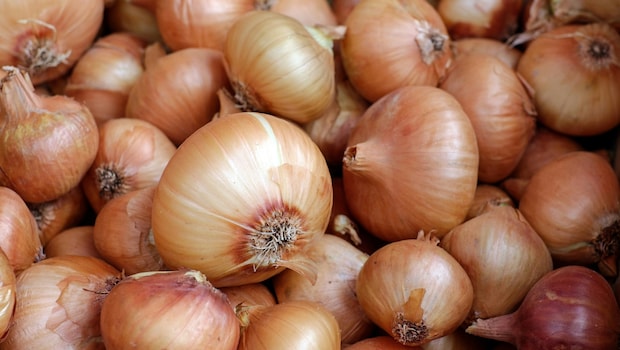
Photo Credit: Unsplash
4. Spicy Food
Spicy dishes are commonly avoided during official commitments to prevent digestive discomfort. Foodie reported that senior royals refrain from spicy preparations to minimise the risk of any stomach issues during engagements. Some family members enjoy spice privately, but it remains unsuitable for formal events.
5. Raw Or Rare Meat
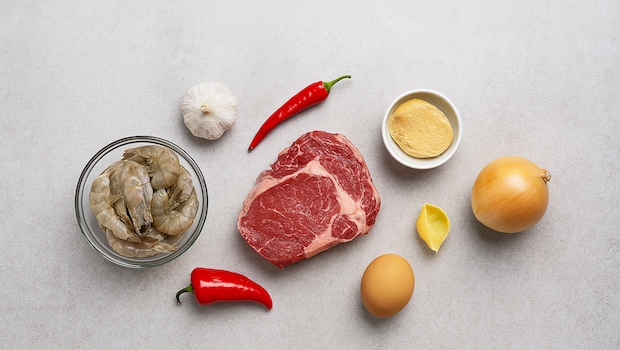
Raw or undercooked meat is avoided for safety reasons. Former royal chef Darren McGrady has shared in multiple interviews that Queen Elizabeth preferred her meat thoroughly cooked, a practice followed throughout the household to minimise the risk of foodborne illness. This careful approach reflects long standing food safety considerations within royal dining.
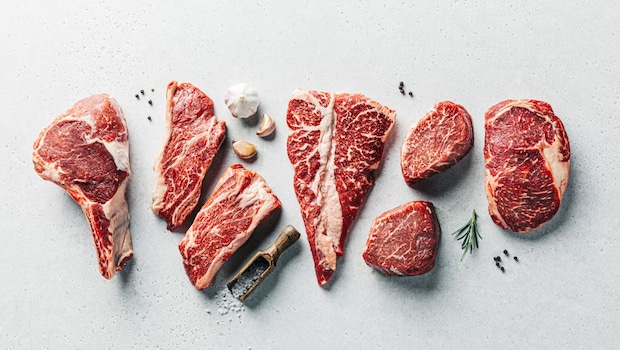
Photo Credit: Unsplash
6. Foie Gras
Foie gras is kept off royal menus for ethical reasons. King Charles prohibited the dish from being served at royal residences due to concerns about the cruelty involved in its production. InStyle reported that he had expressed this position as early as 2008 through an open letter explaining the decision.
7. Pasta
Pasta is not a frequent choice at royal dinners. The Telegraph reported that Queen Elizabeth preferred lighter evening meals and discouraged heavy carbohydrates such as pasta, rice and potatoes. This preference shaped the tone of formal royal dinners, where simpler dishes were favoured.
The royal family's careful food choices show that even at the palace, tradition and practicality guide what ends up on the plate.