



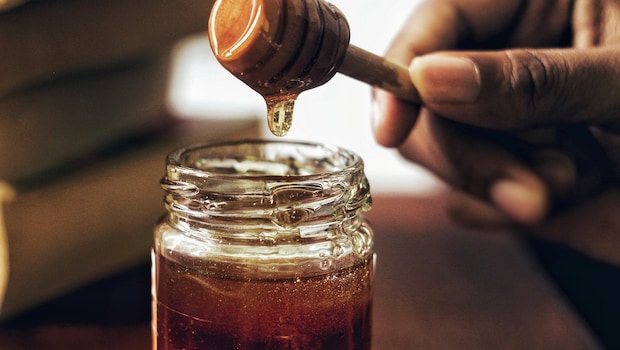
Most of us have a complicated relationship with sugar. We know it's not great for us, we've watched the wellness content, we've nodded along to the doctors, and then we make halwa anyway because sometimes a person simply needs halwa. But what if you didn't have to choose between eating the dessert and looking after your health? The conversation around sweeteners has moved a long way from the days of chalky artificial tablets that tasted vaguely of medicine. Today, there are genuinely good natural alternatives, some of which have been in Indian kitchens for centuries, that can make your mithai, baked goods, and everyday desserts considerably healthier without sacrificing the thing you're actually there for: the taste.
Also Read: This High-Protein Paneer Muffin Works As A Fantastic Quick Indian Breakfast
A Quick Word Before We Start
Let's be honest about something important upfront. Switching from white sugar to a "healthier" sweetener does not mean you can eat twice the quantity. Nutritionist Suman Agarwal puts it: eliminating refined sugar does not give you the freedom to consume these alternatives in excess. The WHO guideline recommends that less than 10% of daily calorie intake come from sugars, and many nutritionists recommend no more than 2 teaspoons of any added sweetener per day. Another important factor to note here, as rightly pointed out by Nutritionist Rupali Datta, these are healthier alternatives only if minially processed.
Here Are 8 Healthier Sweeteners To Substitute Sugar
1. Jaggery (Gur)
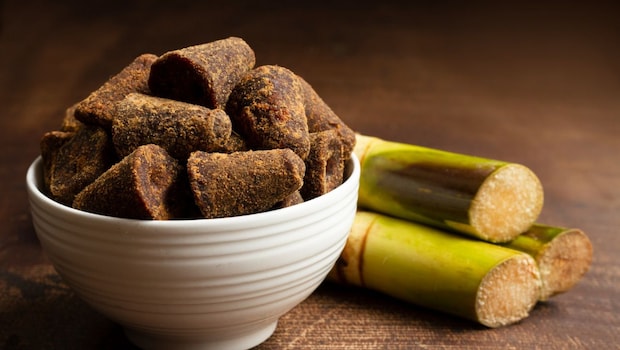
This is the one that has been in Indian homes forever, and for good reason. Jaggery is unrefined cane sugar that retains its molasses content through minimal processing. It contains traces of iron, calcium, magnesium, and potassium, nutrients that are absent from white sugar, which is stripped of everything except sucrose during refining.
The flavour of jaggery is deeper and more complex than white sugar: think caramel with a mild earthiness. In Indian desserts, this is an asset. Jaggery elevates kheer, gives gajar halwa a richer depth, transforms til ke laddoo, and works beautifully in payasam, pongal, and chikki. For a simple swap, use jaggery in a 1:1 ratio where white sugar is called for, though bear in mind it will add colour to the final dish, your kheer will be a warm amber rather than white.
Best for: Traditional Indian sweets, halwa, laddoo, payasam, chikki, winter warming desserts.
2. Raw Honey (Shahad)
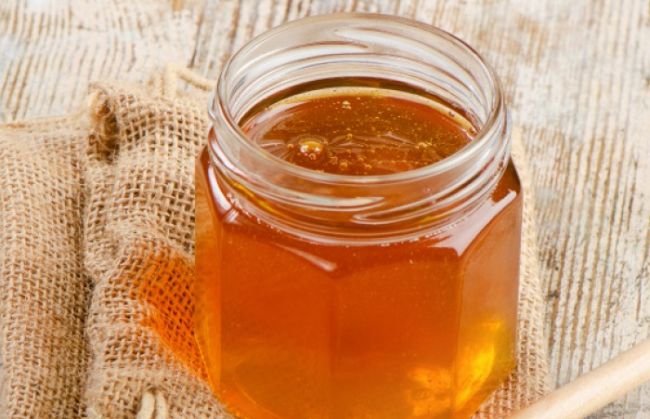
Raw honey is the least processed sweetener on this list. Unlike the refined honey in squeezable plastic bottles, raw honey is harvested and minimally filtered; it retains its full complement of antioxidants, enzymes, pollen, and antimicrobial compounds that have made it a cornerstone of Ayurvedic medicine for thousands of years.
The glycemic index of honey sits between 45 and 69, depending on the variety, which is meaningfully lower than jaggery and somewhat lower than table sugar. It has approximately 240 to 330 calories per 100 grams. More relevantly, because honey is considerably sweeter than sugar, you use less of it to achieve the same level of sweetness.
However, there is one critical rule with honey in baking: do not heat it beyond 40°C. Cooking or baking honey at high temperatures destroys its beneficial enzymes and antioxidants, and some Ayurvedic practitioners suggest that heating honey can produce compounds that are difficult for the body to process. For hot desserts, add honey after cooking. It works beautifully drizzled over warm gulab jamun instead of sugar syrup, stirred into warm milk before it reaches the boil, or as a sweetener in chilled desserts, fruit salads, and shrikhand.
Best for: Cold desserts, fruit-based sweets, chilled kheer, shrikhand, yoghurt parfaits, energy laddoo, and as a finishing drizzle.
3. Dates (Khajur) and Date Syrup
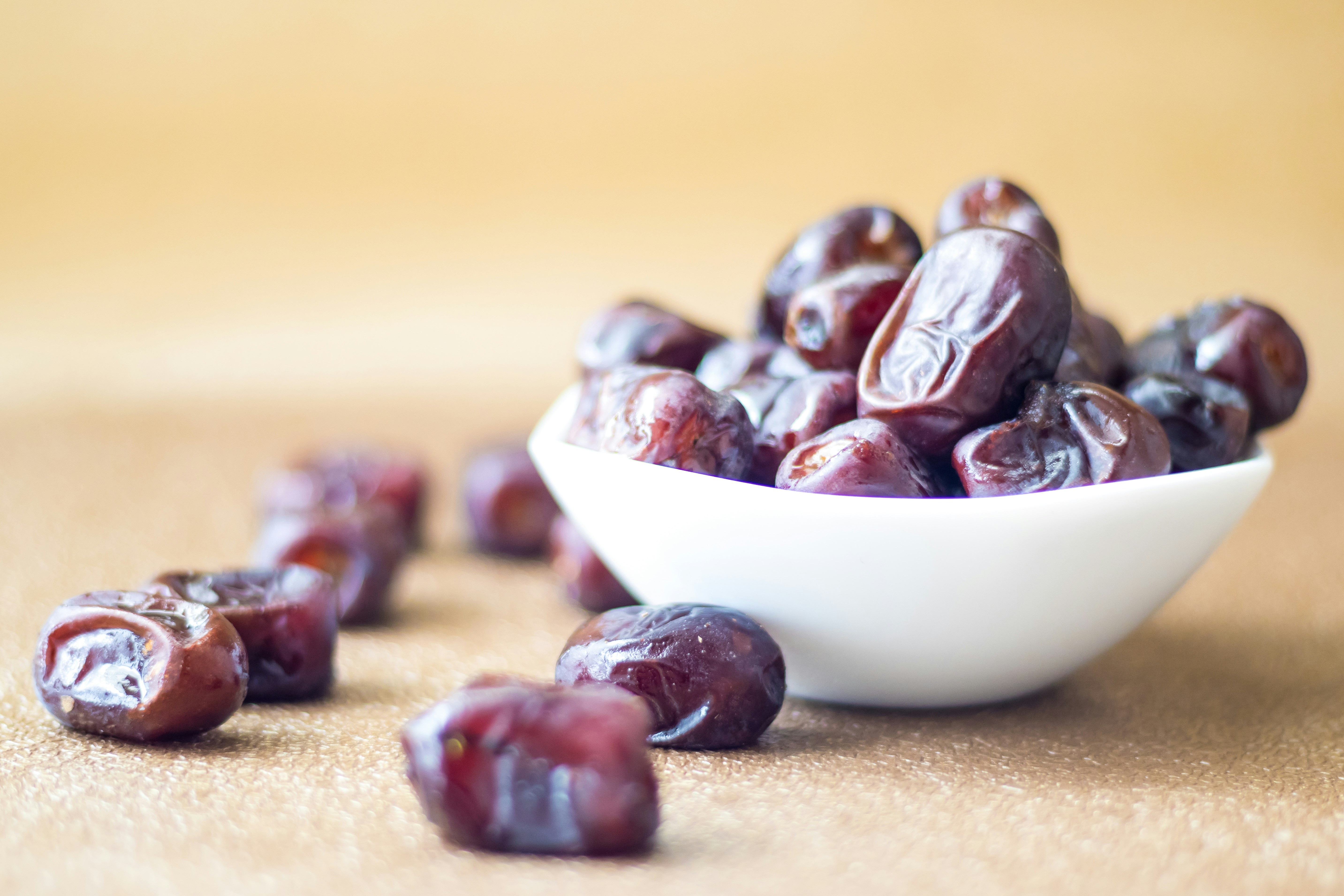
Dates deserve far more attention as a sweetener than they typically receive. They are a whole food, which means you get natural sugars alongside fibre, iron, potassium, and magnesium in the same mouthful. The fibre content is significant, it slows the absorption of sugar into the bloodstream, which is why dates have a glycemic index of only 40 to 55, notably lower than refined sugar.
In practical kitchen terms, dates are incredibly versatile. The simplest method is to soak pitted dates in warm water for 15 to 20 minutes, then blend them into a smooth paste. This date paste can be stirred into any no-bake dessert, ladoo, or energy ball recipe. It binds dry ingredients together beautifully, which is why it is the base of most no-cook protein balls and raw energy bites.
Dates are also one of the few sweeteners that work as a 1:1 replacement for sugar (as a paste) in traditional mithai like besan laddoo and burfi.
Best for: Laddoo, energy balls, no-bake burfi, dry fruit barfi, halwa, kheer, and any dessert where a caramel-like depth of flavour works well.
4. Coconut Sugar
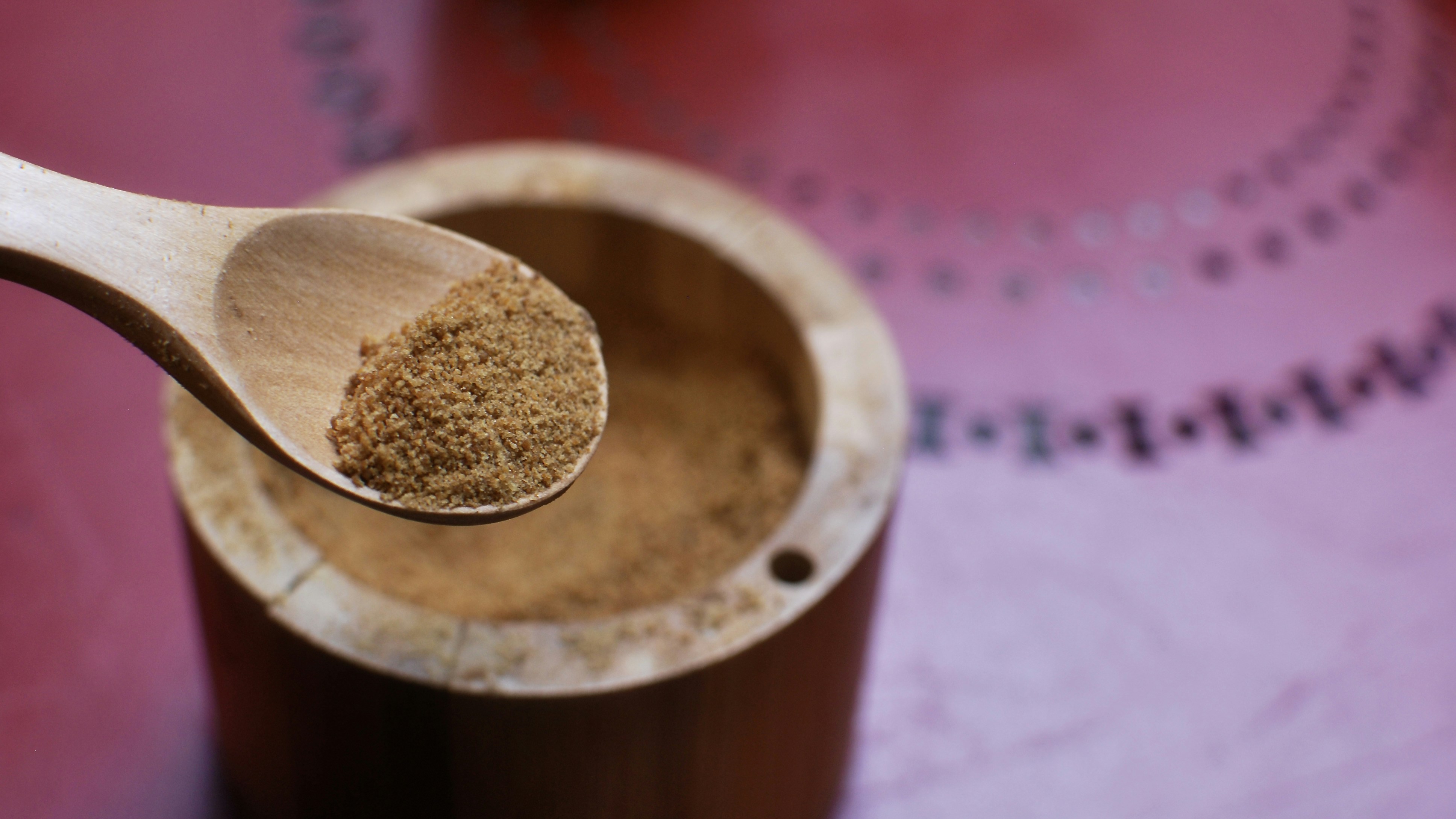
Coconut sugar is made from the sap of coconut palm flowers and has a warm, caramel flavour reminiscent of brown sugar or raw cane sugar. It looks like coarse brown sugar, dissolves similarly, and behaves almost identically to regular sugar in baking, which makes it one of the most convenient substitutes for people who bake regularly.
Its glycemic index is approximately 54, which is lower than white sugar (GI of around 65) and lower than most jaggery. The mineral content includes zinc, iron, calcium, and potassium.
Coconut sugar is available in most health food stores and online, though it is more expensive than other Indian alternatives. It works in a 1:1 ratio for regular sugar in most recipes: use it in kheer, halwa, cake batter, cookie dough, and puddings without changing quantities or technique.
Best for: Baking, kheer, halwa, chocolate-based Indian fusion desserts, and anywhere brown sugar would be used.
Also Read: Leftover Kadhi Chawal Sitting In Your Fridge? Turn It Into Crispy Snack Balls
5. Maple Syrup
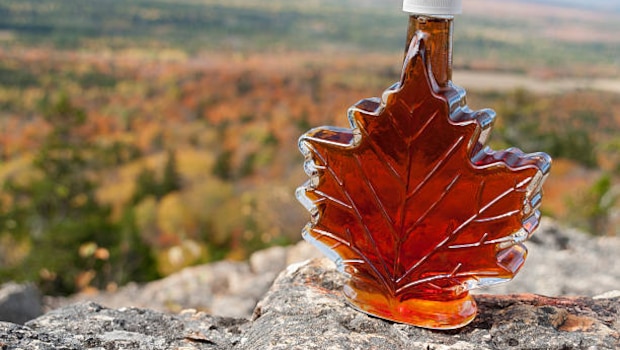
Photo Credit: iStock
Maple syrup is not a traditional Indian ingredient, but it has earned its place in the modern Indian kitchen through its genuine nutritional credentials. Made from the sap of maple trees (found in Canada and parts of North America), real maple syrup, not pancake syrup, which is mostly high-fructose corn syrup, is rich in manganese, zinc, and antioxidants. It has a GI of approximately 54, the same as coconut sugar.
The flavour is distinctive: sweet with a woody, slightly smoky depth. It is intensely flavoured, which means a small quantity goes a long way. Substitute about 75% of the sugar a recipe calls for when using maple syrup, and reduce other liquids slightly to compensate for the added moisture.
Look for Grade A dark amber or Grade B maple syrup for the richest flavour and the highest antioxidant content. It is readily available online in India and in most premium grocery stores.
Best for: Baking, halwa, payasam, yoghurt-based desserts, and as a finishing sweetener for chilled sweets.
6. Stevia
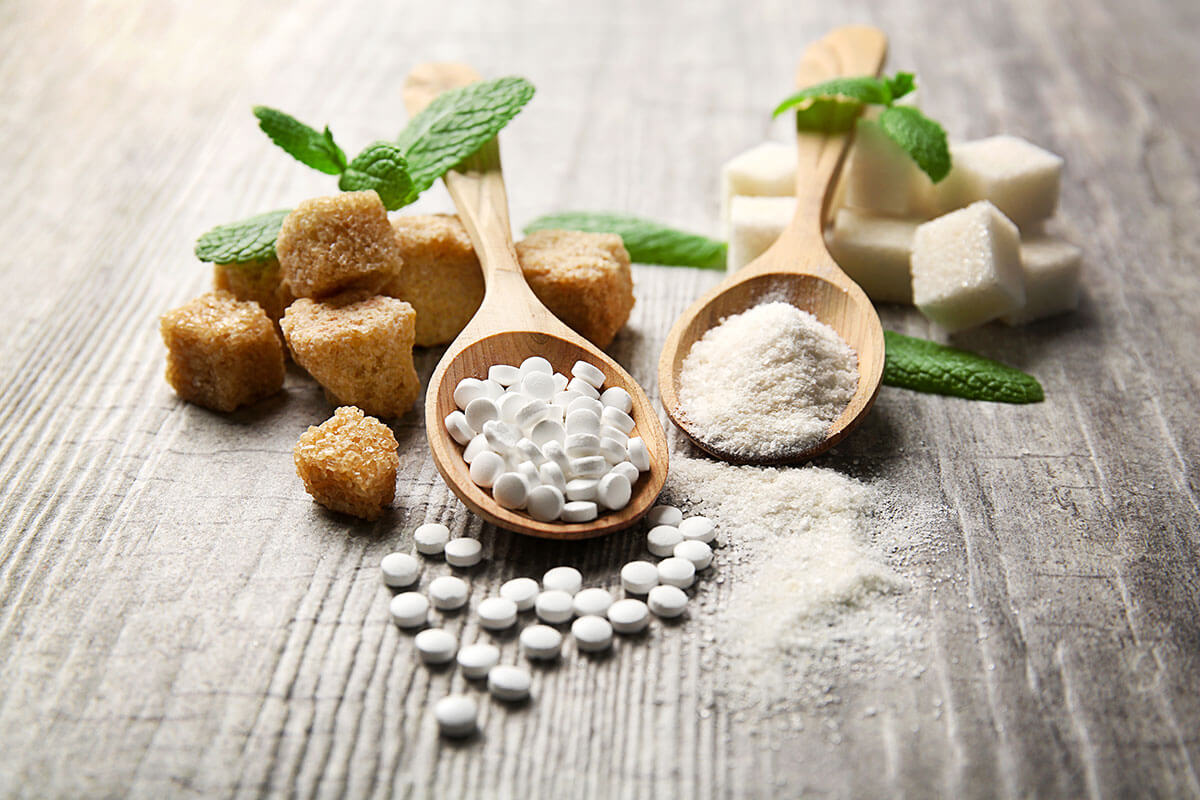
Stevia is extracted from the leaves of the Stevia rebaudiana plant, a small shrub that has been used for centuries in South America as a sweetener. It is not new, but its popularity in India has surged significantly in recent years as awareness of blood sugar management has grown. Nutritionist Rupali Datta points out that stevia is a great sugar substitute, only in its most unadulterated form without sugar alcohols liike erytritol, sorbitol or xylitol
The key fact about stevia is that it has a glycemic index of zero and zero calories. It does not raise blood sugar or trigger an insulin response in any measurable way, which makes it genuinely excellent for people managing diabetes, pre-diabetes, or weight. In practical terms, a tiny pinch or a few drops of liquid stevia replaces a full teaspoon of sugar. One teaspoon of sugar equals approximately one pinch of stevia powder or two to three drops of stevia liquid.
Pure stevia does have a slight aftertaste that some people perceive as mildly bitter, especially in larger quantities. The trick is to use it in combination with other flavourings; vanilla, cardamom, saffron, that mask the background note effectively.
Best for: Diabetic desserts, kheer, smoothies, chai, yoghurt-based sweets, and any recipe where you want zero caloric or glycaemic impact.
7. Monk Fruit Sweetener
:max_bytes(150000):strip_icc()/GettyImages-1130519486-dc99352c8cfe4af8822e08340750a0f5.jpg?im=FaceCrop,algorithm=dnn,width=620,height=350 "Latest and Breaking News on NDTV")
Monk fruit sweetener is made from an extract of the monk fruit (Siraitia grosvenorii), a small green fruit native to southern China. The sweet compounds it contains, called mogrosides, are 250 to 300 times sweeter than sugar, meaning very small amounts produce intense sweetness. It has zero calories and a glycemic index of essentially zero, making it comparable to stevia in its suitability for diabetics and weight-watchers. One important factor to note with monkfruit is that, similar to stevia, it is only a healthier alternative in its unadulterated form.
The flavour profile is different from stevia; monk fruit has a subtle fruity, caramelised note and very little bitter aftertaste, which makes it more pleasant for many people in both hot and cold applications. It is also heat-stable, working well in baked goods, hot beverages, and cooked Indian desserts.
The main limitation for Indian consumers is availability and price. Monk fruit sweetener is still relatively rare in India compared to stevia and is considerably more expensive, typically priced between Rs 500 and Rs 1,000 for 100 grams. It is available online, often in blended forms. For those who have found stevia's aftertaste off-putting, monk fruit is worth the premium.
Best for: Baking, hot and cold beverages, diabetic-friendly halwa and kheer, and as an alternative for those who dislike stevia's aftertaste.
8. Banana and Fruit Purees
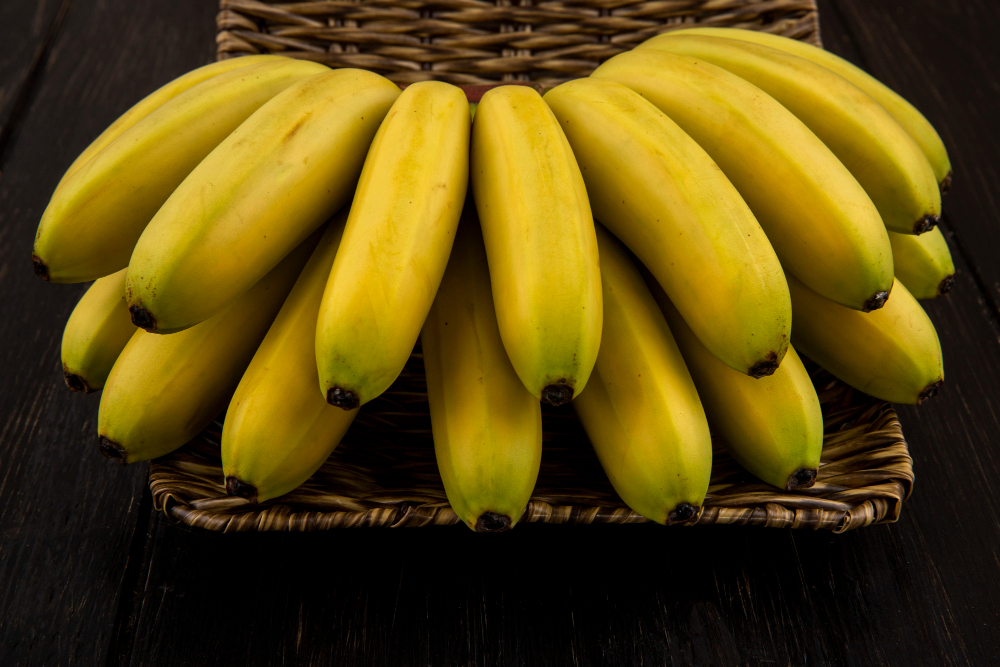
Photo Credit: Freepik
This last entry might surprise you, but fruit purees are one of the most genuinely useful and underrated natural sweeteners for home baking and no-cook Indian desserts. Overripe bananas in particular are intensely sweet, rich in potassium and B6, and contain pectin, a natural fibre that helps with digestion. Mashed ripe banana can replace up to half the sugar in a banana halwa, a banana sheera, or any baked good. It also adds moisture and binding power.
Similarly, mango puree can sweeten aamras, mango phirni, and mango barfi with zero added sugar. Apple puree works in cakes and oat-based ladoos. Dates and banana combined are the backbone of the most popular sugar-free laddoo recipes circulating on social media right now, and for good reason; the combination produces a sweet, fudgy, naturally preserved ball that genuinely tastes of dessert, not deprivation.
The glycemic index varies by fruit, but whole fruit purées include fibre, vitamins, and water, all of which slow sugar absorption and make them considerably less disruptive to blood sugar than refined sugar. Use them in recipes where a fruit flavour complements the other ingredients, and reduce or eliminate added sugar entirely.
Best for: Banana halwa, mango-based sweets, oat and dry fruit laddoo, no-bake energy balls, and fruit-forward baked goods.
How to Choose the Right Sweetener for Your Dessert
The choice of sweetener depends on your culinary needs and health priorities. For diabetes management or weight loss, stevia or monk fruit are ideal due to their zero glycaemic impact and calories. If flavour and nutrition are key, raw honey, dates, and jaggery enhance Indian sweets with taste and nutrients. Coconut sugar and maple syrup are convenient for bakers seeking a lower glycaemic index swap. The best approach is to match sweeteners to desserts, like dates in laddoo or stevia in diabetic-friendly kheer, ensuring enjoyment without anxiety.
Also Read: How To Make Soft Garlic Naan On A Tawa With These Simple Tips
Sweet Conclusion
No sweetener, however natural, however organic, however traditional, is a licence to eat without thought. The science is consistent on this: all added sugars, even the most nutritious ones, should be consumed within sensible limits. What these eight alternatives offer is not freedom from moderation, but a genuinely better quality of sweetness, more flavour, more nutrition, and in several cases, a meaningfully lower impact on your blood sugar. That is worth something in a country where diabetes rates are among the highest in the world. Swap where you can, use sparingly regardless, and enjoy every bite of whatever sweet you've made, because that, at the end of all the nutritional fine print, is the actual point.