



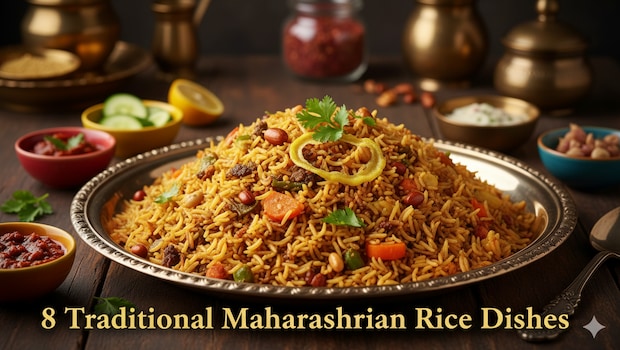
Walk into a Maharashtrian household and rice appears at nearly every meal. It's not served as a side dish. It's the foundation. The philosophy is simple: a meal doesn't feel complete without chaat. This isn't arbitrary. It reflects geographic and cultural reality. Rice grows abundantly in Maharashtra. Water availability supports cultivation. Agricultural tradition stretches centuries. The result is a cuisine that understands rice in profound ways. Maharashtrian cooks don't simply boil rice. They transform it. They combine rice with seasoned vegetables, aromatic spices, and regional masala blends that create something infinitely more interesting than plain grain. Every season brings different rice dishes because different vegetables arrive at different times. Sumer brings tend (ivy gourd). Winter brings potatoes and peas. Monsoon introduces leafy greens. The cuisine adapts to what's available, creating a rhythm that aligns eating with seasons. These eight rice dishes represent this tradition. Some are everyday. Some are celebratory. All are genuinely comforting. All speak to a food culture that understands that rice, prepared thoughtfully, becomes something approaching meditation. Eating becomes slowing down. Savouring becomes honouring tradition.
Also Read: 8 Traditional Bengali Winter Snacks You Can Easily Make This Winter
Here Are 8 Maharashtrian Bhaat Recipes You Must Try
1. Masala Bhaat: The Everyday Essential

Photo Credit: Getty
Masala Bhaat is Maharashtrian rice at its most iconic. Every cook prepares it slightly differently, but the basic idea remains constant: cooked rice mixed with vegetables, spices, and the region's signature goda masala (a complex spice blend combining coriander, cumin, cinnamon, clove, cardamom, and nutmeg). The result is fragrant, warmly spiced, deeply satisfying.
Masala Bhaat tastes distinctly warm. The goda masala creates complexity without aggressive heat. Vegetables contribute sweetness and texture. Ghee creates richness. It's comfort food that tastes sophisticated simultaneously.
Quick Recipe:
Heat ghee in a pan. Add mustard seeds, curry leaves, and asafoetida (hing). Add vegetables (peas, carrots, potatoes, beans in 1-2cm pieces). Cook until tender but still firm, approximately 5-7 minutes. Add cooked rice, goda masala, and salt. Mix gently over medium heat for 2-3 minutes until everything combines evenly. Serve hot with curd or pickle.
Why It Works:
Masala Bhaat requires cooked rice and vegetables. It comes together in 15 minutes. It tastes better than its simplicity suggests. It's genuinely satisfying as a complete meal.
2. Metkut Bhaat: Spiced Comfort In A Bowl

Metkut Bhaat represents pure comfort. Plain cooked rice is mixed with ghee and metkut powder (a traditional spice blend). The result tastes warming, simple, genuinely addictive. This is the rice Maharashtrian mothers prepare when children feel sick or simply need comfort.
The Metkut Powder is where the magic happens. Metkut combines chana dal, urad dal, coriander seeds, cumin seeds, turmeric, chilli powder, and asafoetida. Every household has a slightly different recipe. Some add more coriander. Some emphasise chilli. The spice blend is roasted together, then either used fresh or ground into powder for storage.
Quick Recipe:
Make metkut powder by roasting chana dal (2 tablespoons), urad dal (2 tablespoons), coriander seeds (1 teaspoon), cumin seeds (1/2 teaspoon), turmeric (1/2 teaspoon), chilli powder (to taste), and asafoetida (small pinch) in a dry pan until aromatic. Grind coarsely. In a separate pan, heat ghee, add 2 tablespoons metkut powder, and fry for 1 minute. Add 1 cup cooked rice and mix thoroughly. Serve immediately.
Why It Works:
Metkut Bhaat tastes like pure comfort. The spices are warming without being aggressive. The ghee adds richness. It requires minimal ingredients and comes together immediately.
3. Vangi Bhaat: Eggplant Elevated

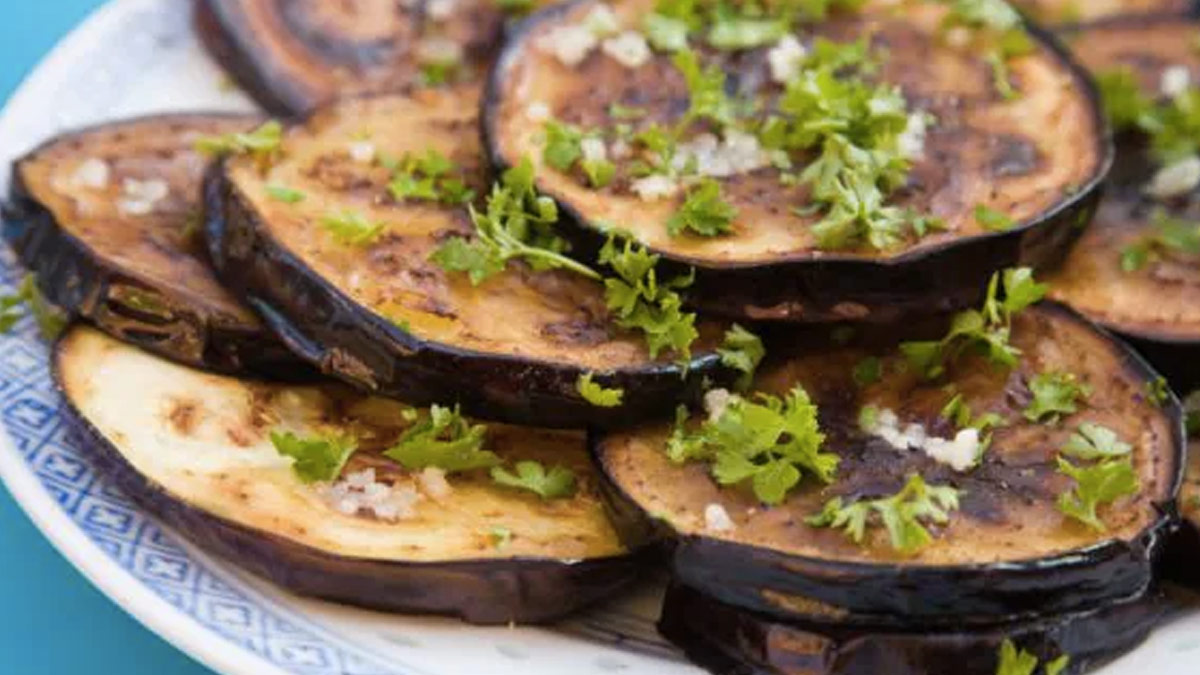
Vangi Bhaat features brinjal (eggplant) as the star. The vegetable is cubed, pan-fried until crispy, then mixed with rice and a special spice powder. The crisping step is crucial. It prevents the eggplant from becoming mushy whilst creating textural contrast.
Unlike masala bhaat's goda masala, Vangi Bhaat uses a unique powder combining groundnuts, fenugreek seeds, coriander seeds, lentils, dried red chilli, and salt. This blend tastes nutty, slightly bitter from fenugreek, aromatic from coriander. It creates something distinctly different from other Maharashtrian rice dishes.
Quick Recipe:
Dice eggplant into small cubes, sprinkle with salt, and pan-fry in oil until golden and crispy on all sides, approximately 8-10 minutes. Make spice powder by roasting groundnuts (2 tablespoons), fenugreek seeds (1/2 teaspoon), coriander seeds (1 teaspoon), red lentils (1 tablespoon), and dried red chilli (1-2) in a dry pan until aromatic, then grinding coarsely. Mix fried eggplant with cooked rice, the spice powder, and salt. Cook over medium heat for 2-3 minutes. Serve warm.
Why It Works:
The eggplant provides vegetables. The spice powder provides complexity. Coconut can be added for richness. This dish tastes interesting enough for dinner yet simple enough for everyday meals.
4. Tendli Bhaat: Summer Vegetable Celebration

Tendli (also called ivy gourd) is a summer vegetable with subtle flavour and tender texture. Maharashtrians specifically wait for tendli season to make Tendli Bhaat. The vegetable combines with rice, tomatoes, onions, garlic, and goda masala to create something light yet substantial.
Tendli appears specifically during summer months when other vegetables are limited. The rice dish celebrates this seasonal abundance. Using tendli in other seasons is possible but not traditional. Eating seasonally means waiting for specific dishes, then enjoying them with genuine appreciation.
Quick Recipe:
Dice tendli into small cubes, heat oil, add mustard seeds and curry leaves. Add onions and cook until soft. Add ginger-garlic paste, then diced tomatoes and tendli. Cook until tendli becomes tender, approximately 5-7 minutes. Add cooked rice and goda masala. Mix gently and cook for 2-3 minutes over medium heat. Serve with curd or pickle.
Why It Works:
Tendli tastes mildly sweet, delicate. Goda masala provides warmth without overwhelming this gentle vegetable. The dish tastes fresh and summery simultaneously.
Also Read: Want Crispy, Flaky Kachoris? Don't Make These Common Errors
5. Phodnicha Bhaat: Tempered Leftover Rice

Phodnicha Bhaat solves a universal problem: leftover rice. This tempered rice dish turns day-old rice into something entirely new. “Phodnicha” refers to the tempering process. The tadka of mustard seeds, curry leaves, and spices transforms plain rice into something interesting.
Heat oil, add mustard seeds and curry leaves until seeds crackle. Add asafoetida and turmeric. Pour in leftover rice and mix thoroughly so the tempering distributes evenly. Add lemon juice, salt, and fresh coriander. The entire process takes 10 minutes.
Quick Recipe:
Heat oil in a large pan. Add mustard seeds (1 teaspoon) and curry leaves (10-12). Once mustard seeds crackle, add asafoetida and turmeric. Add 2 cups leftover rice and break up any lumps. Mix continuously for 2-3 minutes. Add lemon juice (2 tablespoons), salt, and fresh coriander. Serve immediately.
Why It Works:
Phodnicha Bhaat requires no advance preparation. Leftover rice becomes lunch or dinner quickly. The flavour is light, citrusy, entirely different from the rice's original form.
6. Kolambi Bhaat: Prawns And Rice Harmony

Kolambi Bhaat represents Maharashtra's coastal identity. “Kolambi” means prawns. The dish combines fresh prawns, rice, and goda masala with coconut for richness. It appears in Konkan regions where seafood is abundant and traditional.
Prawns are cleaned, marinated briefly in turmeric and salt, then pan-fried. Simultaneously, onions, tomatoes, and ginger-garlic paste are cooked. Cooked rice and goda masala are added. Finally, the prawns return to the pan so everything combines. Coconut milk adds creaminess.
Quick Recipe:
Clean and devein 400g prawns, marinate in turmeric and salt for 5 minutes. Heat oil, add mustard seeds and curry leaves. Add onions, cook until soft. Add ginger-garlic paste, tomatoes, cook until tomatoes break down. Add cooked rice and goda masala. Separately, pan-fry prawns in oil until pink, approximately 3-4 minutes. Fold cooked prawns into rice. Add coconut milk and cook for 2-3 minutes. Serve hot.
Why It Works:
Kolambi Bhaat tastes like the ocean. The prawns provide protein and brininess. Coconut adds creaminess. Goda masala adds warmth. Everything balances beautifully.
7. Cabbage Bhaat: Humble Vegetable, Complex Flavour

Cabbage Bhaat uses humble cabbage but treats it seriously. The vegetable is finely chopped, pan-fried with spices until slightly caramelised, then mixed with rice. Jaggery and asafoetida add depth.
Unlike other Maharashtrian rice dishes, Cabbage Bhaat includes jaggery. This seems unusual until you taste it. The sweetness balances cabbage's earthiness. The combination tastes complex: sweet, savoury, spiced simultaneously.
Quick Recipe:
Heat oil, add mustard seeds and curry leaves. Add finely chopped onions, cook until soft. Add finely chopped cabbage (about 1.5 cups) and cook until slightly browned, approximately 8-10 minutes. Add turmeric, asafoetida, and chilli powder. Add cooked rice and 1-2 tablespoons jaggery. Mix gently and cook for 2-3 minutes over medium heat.
Why It Works:
Cabbage transforms through cooking from raw vegetable into something caramelised and complex. The jaggery adds unexpected depth. This dish surprises people with how interesting simple cabbage can taste.
8. Matar Bhaat: Pea And Rice Simplicity
Matar Bhaat (also called Matar Bhaar) combines rice with fresh green peas. The dish tastes lighter than other Maharashtrian rice preparations. Cumin, coriander, and ginger provide spicing. The dish serves perfectly with curd or pickle.
This dish requires minimal cooking. Peas can be fresh or frozen. They cook quickly, so careful timing prevents overcooking. The rice should remain distinct, not mushy.
Quick Recipe:
Heat ghee or oil, add cumin seeds (1/2 teaspoon) and ginger paste (1 teaspoon). Add peas (1 cup, fresh or frozen) and cook for 2-3 minutes until tender. Add cooked rice, coriander powder (1/2 teaspoon), and salt. Mix gently and cook for 2-3 minutes. Serve hot.
Why It Works:
Matar Bhaat tastes fresh, light, entirely different from heavier rice preparations. The natural sweetness of peas needs minimal additional seasoning. This dish celebrates simplicity.
Also Read: Is Your Tea Safe? Simple Home Tests To Detect Iron Fillings And Artificial Dye Adulteration
Maharashtrian rice dishes prove that simplicity, when executed thoughtfully, becomes sophistication. Each dish celebrates specific vegetables, specific seasons, specific traditions. Learning these preparations means learning to eat seasonally, to respect ingredients, to understand that comfort and complexity aren't mutually exclusive. Making these at home connects you to generations of Maharashtrian cooks who understood that rice could be infinitely interesting when approached with care. These recipes represent that tradition.