


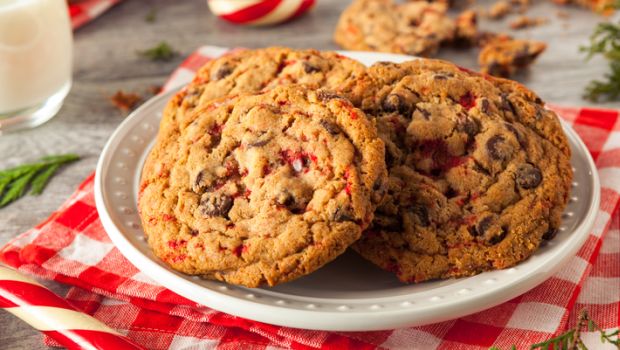
Eating good-tasting food such as chocolate chip cookies, potato chips and sweetened condensed milk may not drive long-term overeating and cause obesity, a study has found.
To assess the role of taste in driving overeating and weight gain, three groups of mice received one of the three diets for six weeks: One group was fed plain chow, one group was fed chow with added sucralose and one group was fed chow with added mineral oil.At the end of this period, the groups fed the sweet or oily chow were no heavier or fatter than were the animals fed the plain chow.Additional tests revealed that even after six weeks, the animals still highly preferred the taste-enhanced diets, demonstrating the persistent strong appeal of both sweet and oily tastes."Even though we gave mice delicious diets over a prolonged period, they did not gain excess weight. People say that 'if a food is good-tasting it must be bad for you', but our findings suggest this is not the case. It should be possible to create foods that are both healthy and good-tasting," Tordoff said.The findings are published online in the journal Physiology & Behavior.(This story has not been edited by NDTV staff and is auto-generated from a syndicated feed.)

 "Certainty Is A Problem": Nikhil Kamath On Marriage, Children And Future
 The Mystery Of A Bare Nail In Ashwini Vaishnaw's Office
 Paris Setback, Asian Games Glory: Lovlina Borgohain's New Perspective
 'AI Scares Me': Kriti Sanon On Personality Rights And Need For Laws
 'This Time I Wanted Gold': Savita Punia Reflects On Historic Asiad Success
 Neha Goyal Makes Stunning Asian Games Gold Revelation At NDTV World Summit 2026
 RBI Governor Sanjay Malhotra Drops Big Hint On Tata Sons Listing Row At NDTV World Summit
 Big NDTV Summit Impact: RBI Governor's Tata Sons Listing Remark Makes Top Newspaper Headlines
 "High Inflation Is Like Tax On Everyone": RBI Governor At NDTV World Summit
 AI Assistants Are Both Frightening And Empowering, Says Mike Walsh
To assess the role of taste in driving overeating and weight gain, three groups of mice received one of the three diets for six weeks: One group was fed plain chow, one group was fed chow with added sucralose and one group was fed chow with added mineral oil.At the end of this period, the groups fed the sweet or oily chow were no heavier or fatter than were the animals fed the plain chow.Additional tests revealed that even after six weeks, the animals still highly preferred the taste-enhanced diets, demonstrating the persistent strong appeal of both sweet and oily tastes."Even though we gave mice delicious diets over a prolonged period, they did not gain excess weight. People say that 'if a food is good-tasting it must be bad for you', but our findings suggest this is not the case. It should be possible to create foods that are both healthy and good-tasting," Tordoff said.The findings are published online in the journal Physiology & Behavior.(This story has not been edited by NDTV staff and is auto-generated from a syndicated feed.)