






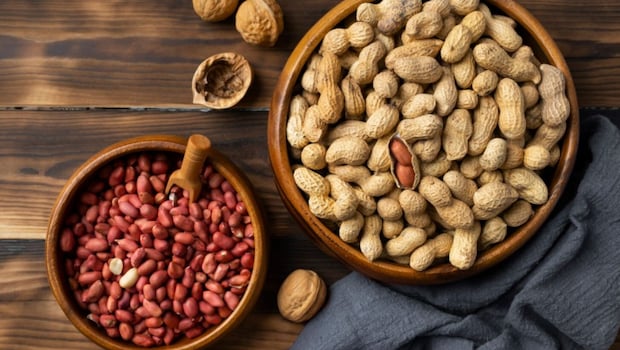
Love munching on peanuts? You are not alone - they are one of the most popular snacks for a reason. Packed with protein, fibre and healthy fats, peanuts can be a great addition to your diet when eaten the right way. However, not all peanut habits are healthy, and a few common mistakes can turn this nutritious snack into a problem. Recently, nutritionist Leema Mahajan took to her official Instagram handle to share important tips on how to enjoy peanuts without compromising your health. From portion control to preparation methods, here's what you need to know before your next handful.
Here Are 3 Mistakes To Avoid When Eating Peanuts, According To The Nutritionist:
1. Overdoing Portion Sizes
Peanuts are delicious and packed with nutrients, but they are also calorie-dense. Just 100 grams can give you around 570 calories, which is quite a lot for a snack. Nutritionist Leema Mahajan suggests sticking to about 25-30 grams a day, which is roughly one small handful. This amount is enough to give you the health benefits without overloading your system. Eating large portions every day can lead to unwanted weight gain, digestive discomfort, and even inflammation, so moderation is key.
Also Read: How Many Peanuts Can You Eat In A Day? Nutritionist Guide And Health Benefits
2. Removing The Skin
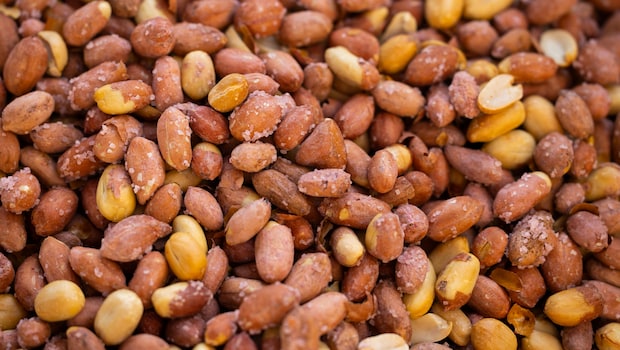
That thin brown skin on peanuts often gets ignored, but it's actually full of goodness. It contains polyphenols, resveratrol, and antioxidants that your body needs. Studies show that peanuts eaten with their skin have two to five times more antioxidant content compared to peeled ones. While they may not match berries in antioxidant power, they still provide a valuable boost to your daily diet. So, next time you snack on peanuts, keep the skin on for that extra health benefit.
3. Thinking Fried Peanuts And Masala Peanuts Are The Same
Many people love the taste of fried or masala peanuts, but they are not the healthiest choice. Deep-frying adds oxidised fats, and heavy seasoning brings in excess sodium, which can harm your heart and overall health. The real benefits of peanuts come from eating them dry-roasted or unsalted, as these retain their natural nutrients without the unhealthy extras. If you want to enjoy peanuts the right way, skip the fried versions and go for the simple, wholesome ones.
Check out the full video below:
Who Should Avoid Peanuts
While peanuts offer plenty of health benefits, they are not suitable for everyone. Here's who should avoid them.
- People With Peanut Allergies: Even a small amount can trigger severe allergic reactions.
- Those With Calcium Oxalate Kidney Stones: Peanuts are high in oxalates, which can worsen stone formation if you're on a low-oxalate diet.
- Individuals With Chronic Kidney Disease (CKD): Peanuts contain potassium and phosphorus, which can be harmful when these minerals need to be restricted.
- Anyone With Active Gallbladder Or Pancreatic Issues: High-fat foods like peanuts can aggravate these conditions.
- Infants Under 6 Months: Whole peanuts pose a choking hazard and are not recommended for babies this young.
Smart Tips For Eating Peanuts The Healthy Way
- Keep the Skin On: The thin, reddish skin on peanuts is packed with fibre and antioxidants that boost their nutritional value. Don't peel it off - embrace the goodness.
- Choose Dry-Roasted: Skip the deep-fried versions that add unnecessary oil and calories. Dry-roasted peanuts retain flavour without compromising health.
- Go Unsalted: Too much sodium can cancel out the benefits of peanuts. Opt for unsalted varieties to keep your snack heart-friendly.
- Stick To One Small Handful: Peanuts are calorie-dense, so moderation matters. A small handful is enough to satisfy cravings without tipping the scale.
Also Read: Peanuts vs Almonds: Which Nut Is Better For Weight Loss
Peanuts are not the problem. The real issue lies in eating them in the wrong form and in the wrong quantity. When you choose the right preparation and keep your portions sensible, peanuts can be a healthy addition to your diet.