



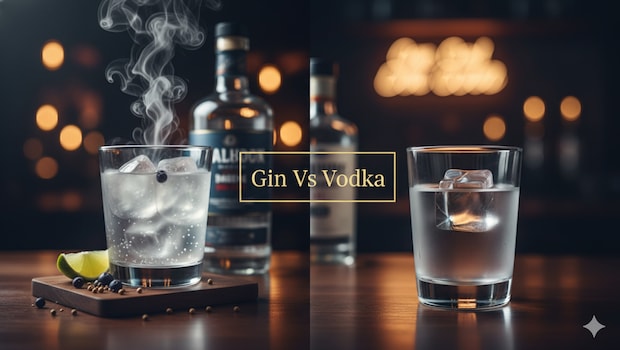
Walk into a bar and order a martini. The bartender asks: gin or vodka? Drinkers across the world have strong opinions about this choice. Some swear by gin's botanical complexity. Others prefer vodka's neutral smoothness. But here's what most people don't realise: the choice might be less about health or alcohol content than you think. Both spirits contain roughly the same amount of alcohol. Both have similar calorie counts. Both can be made from diverse raw materials. Yet they're fundamentally different drinks created for different reasons, valued for completely different qualities. The confusion arises because gin and vodka sit in a similar category, both clear spirits, both strong, both versatile. But their histories diverged centuries ago.
Vodka emerged from Eastern Europe as a neutral spirit, eventually a status symbol of purity. Gin originated in the Netherlands as a medicinal elixir before the British adopted and elevated it into one of the world's most respected spirits. Today, they represent opposing philosophies: vodka celebrates the absence of flavour. Gin celebrates flavour complexity. Understanding these differences isn't just about becoming a more educated drinker. It's about understanding why you actually prefer one over the other, and what that preference says about your taste.
Also Read: Is Your Tea Really Tea? Food Regulator Clarifies What Can Be Called "Tea"
Alcohol Content: They're Virtually Identical
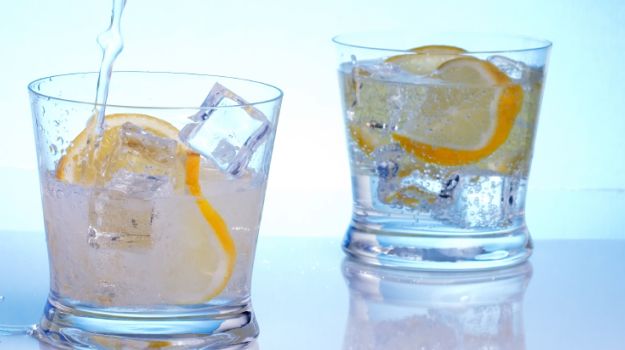
Let's address the most straightforward question first: which has more alcohol? The answer is neither. Both gin and vodka typically contain between 37.5 and 40 percent alcohol by volume (ABV). A standard 1.5 fluid ounce shot contains approximately 14 grams of pure alcohol, regardless of whether you're drinking gin or vodka.
Premium varieties of both can exceed these standard ranges, reaching 45-50% ABV or higher. Some artisanal gins and premium vodkas push even higher. But these are exceptions. For standard bottles, the alcohol content is essentially identical.
This is why both spirits create similar effects when consumed. The slight variations in how your body processes gin versus vodka come down to congeners (chemical byproducts created during fermentation and distillation) and other factors, not alcohol percentage. The hangover you get from too much vodka isn't significantly different from the hangover from too much gin.
Calories: Essentially The Same
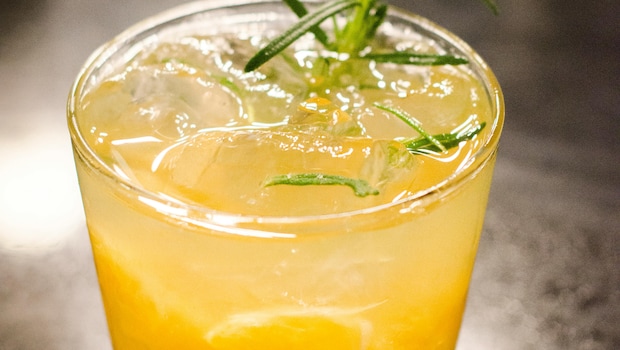
Here's another surprise for people trying to pick a "drink with fewer calories": both spirits contain approximately 96-97 calories per 1.5 fluid ounce shot. Both contain zero carbohydrates, zero protein, zero fat, and zero sugar. From a pure nutritional standpoint, they're nutritionally equivalent.
The difference in your overall calorie intake comes down to what you mix these spirits with, not the spirits themselves. A gin and tonic with sugary tonic water contains far more calories than a gin and tonic with diet tonic. A vodka mixed with juice or sweetened soda becomes a calorie bomb. The spirit itself isn't the problem. The mixers are.
If you're genuinely trying to reduce calorie intake, pair either spirit with soda water, fresh citrus, or herbs. That strategy works regardless of whether you choose gin or vodka.
The Origin Stories: Where They Came From
Gin and vodka emerged from completely different parts of the world for completely different reasons, and this history shapes them fundamentally.
Vodka's Journey:
Vodka originated in Eastern Europe, particularly in Russia and Poland, over 500 years ago. The name comes from the Russian word “voda,” meaning water, reflecting the spirit's original purpose: a neutral, pure base. Early vodka was created as a medicinal remedy, believed to have healing properties. It wasn't until much later that it became a celebratory drink integrated into cultural traditions.
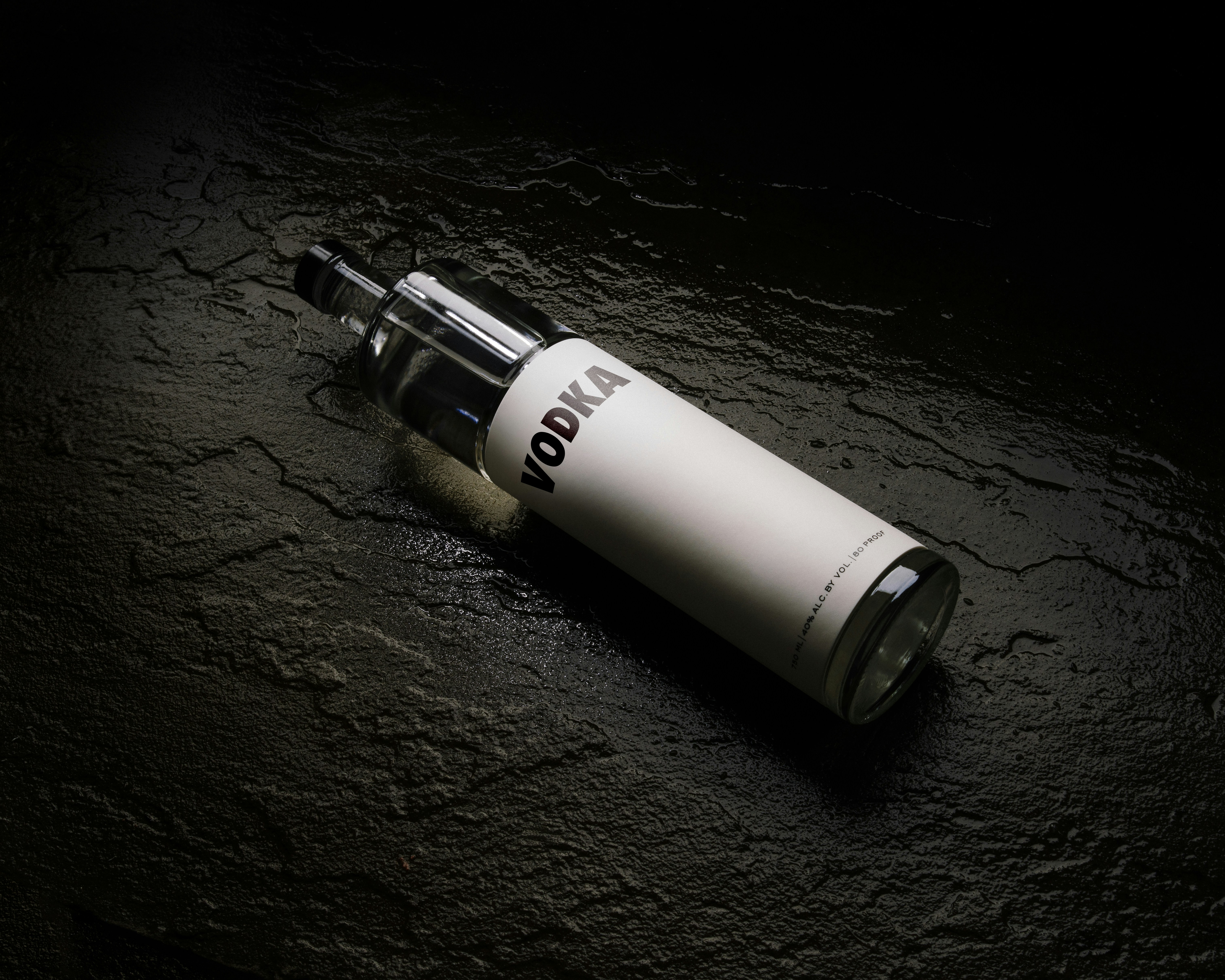
Vodka's entire purpose is neutrality. When producers make vodka, they distil multiple times specifically to remove impurities and eliminate any distinctive flavour. The goal is to create something so clean and neutral that it becomes the perfect base for other flavours. This is why vodka became the foundation for countless cocktails across the world.
Gin's Pioneering:
Gin's story is quite different. It originated in the Netherlands in the 17th century, created by physician Franciscus Sylvius as a medicinal elixir. The key ingredient was juniper berries, believed to have therapeutic properties. The drink was initially called “genever,” derived from the French word “genièvre” meaning juniper. When Dutch traders brought genever to Britain, the British adopted it enthusiastically, eventually shortening the name to “gin” and creating London Dry Gin, which became the global standard.
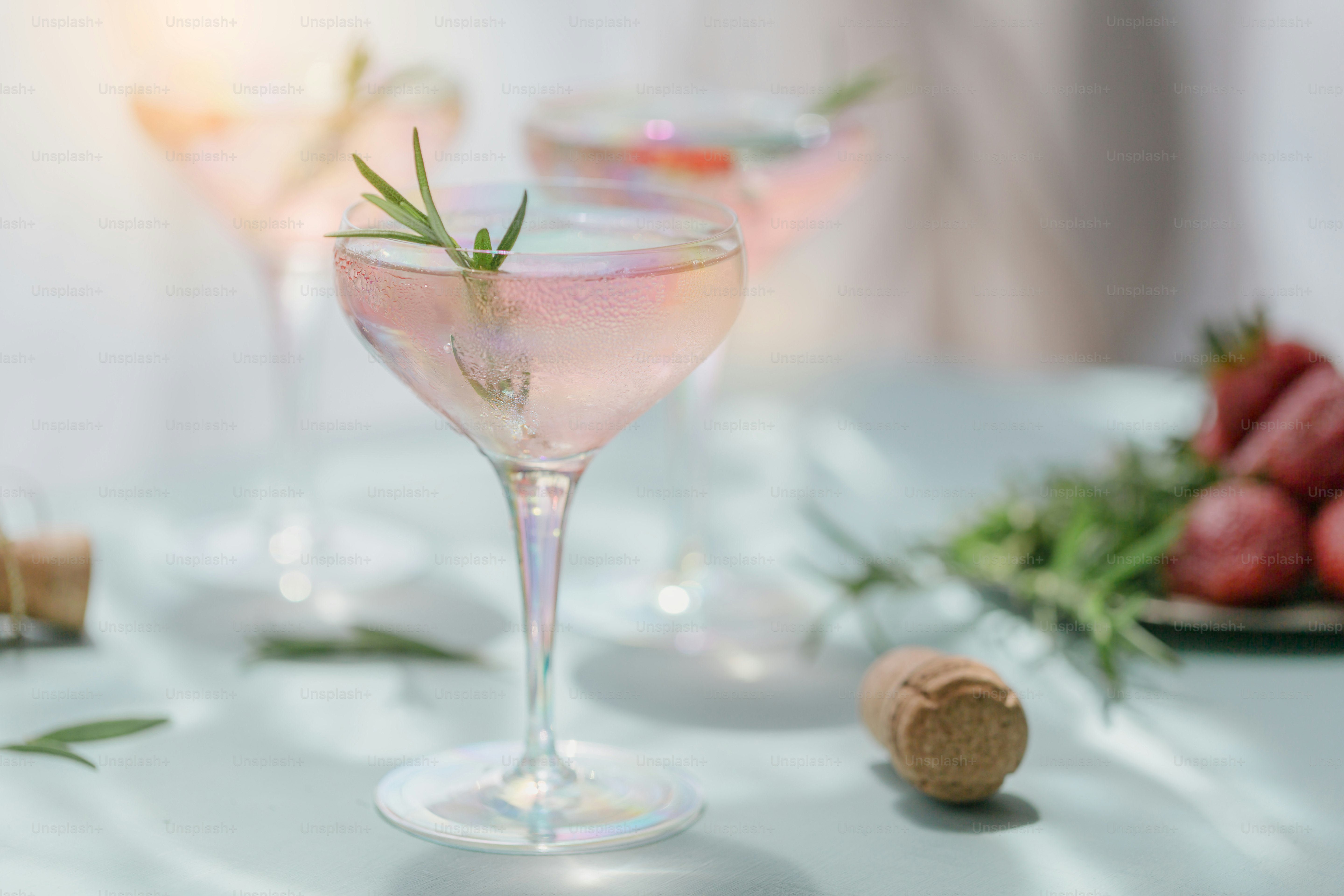
From the beginning, gin was about more than just neutrality. It was about botanicals. The defining characteristic of gin, by law, is the inclusion of juniper berries. But beyond that mandatory ingredient, different producers added their own botanicals: coriander seeds, citrus peels, cardamom, angelica root, and dozens of other plant materials. Each producer developed their own recipe, creating distinctiveness rather than uniformity.
Also Read: How To Make Matar Keema At Home: A Comforting Winter Recipe With Fresh Green Peas
Production: Where They Truly Differ
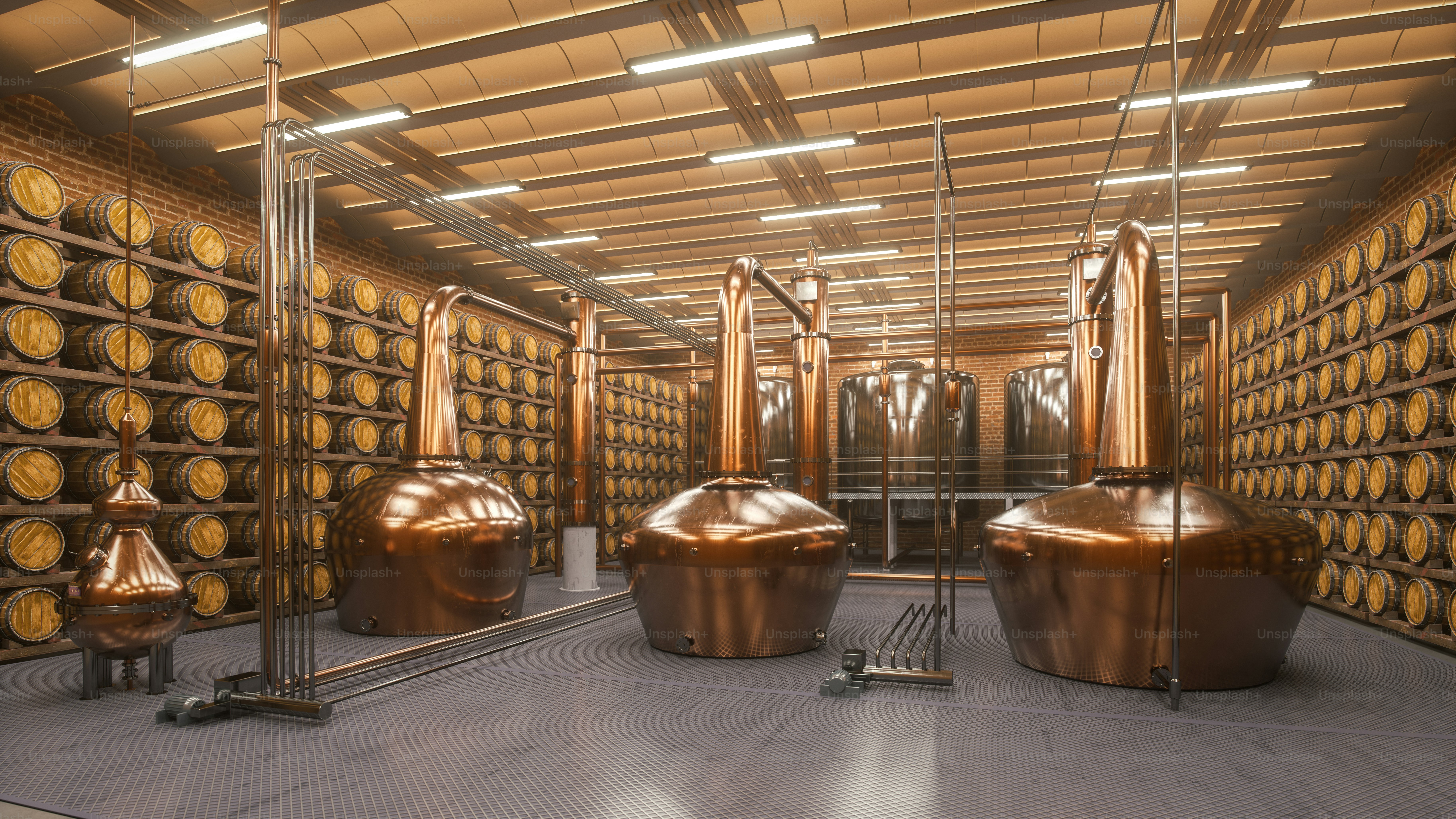
Understanding how gin and vodka are made reveals why they taste so different despite similar alcohol content.
Vodka Production:
Vodka can be made from virtually anything: wheat, rye, corn, potatoes, or even grapes. The raw material matters far less than the distillation process. Producers distil multiple times (sometimes up to seven or even nine times) through activated charcoal filters to remove impurities and flavour compounds. Each distillation makes the spirit cleaner, more neutral, more invisible on the palate. The goal is to reach a point where the spirit has almost no distinctive character whatsoever.
Think of vodka production as subtraction. They start with a base ingredient and systematically remove everything that might give it character. What remains is pure, neutral, versatile.
Gin Production:
Gin starts similarly to vodka. It can be made from wheat, rye, corn, or other grains. But here's where it diverges completely. During distillation, botanicals are introduced. The juniper berries, along with coriander, citrus peels, and whatever other botanicals the producer has chosen, infuse into the alcohol. This infusion extracts the essential oils and aromatic compounds from these plants.
Different producers use different methods. Some steep botanicals before distillation. Others add them during the distillation process itself. Some use a combination. Regardless of method, the goal is addition, not subtraction. Gin producers deliberately add complexity and flavour. Each gin brand's unique botanical recipe becomes its signature.
Flavour Profiles: The Real Difference
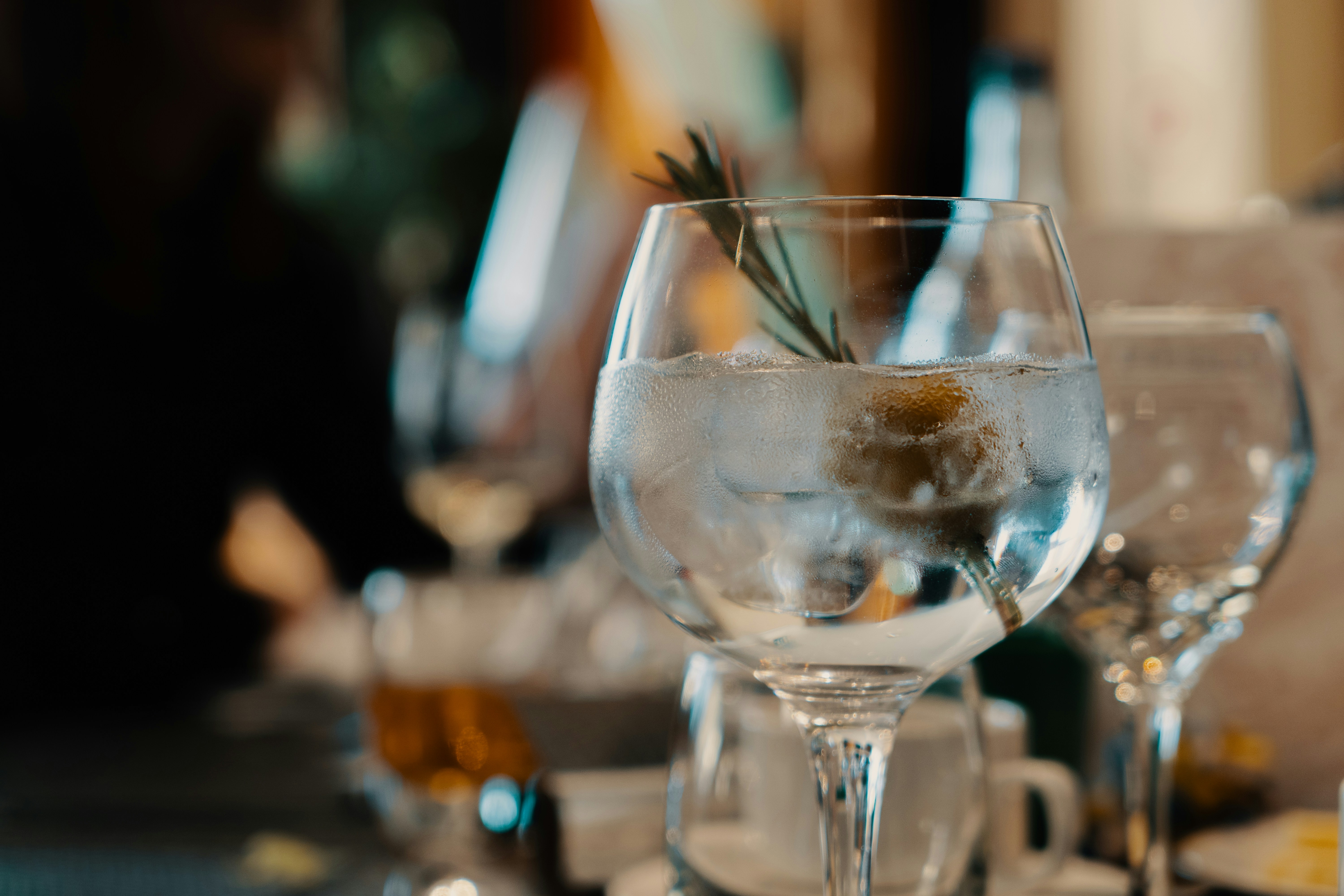
This is where gin and vodka become genuinely different drinks.
Vodka's Neutrality:
Vodka tastes like what you mix it with. In a Bloody Mary, it tastes like tomato and spice. In a Moscow Mule, it tastes like ginger and lime. In a vodka martini, it's merely a smooth, ethanol-based vehicle for vermouth and olives. This neutrality is vodka's defining feature and its greatest strength. It adapts. It doesn't impose its own character. It serves the other ingredients.
Gin's Complexity:
Gin declares itself immediately. The juniper is unmistakable: piney, slightly bitter, woody. That's the baseline. But then you have citrus notes from orange or lemon peels. Spice notes from coriander or cardamom. Floral notes from botanicals like rose petals or lavender. Herbal notes from angelica root or other plant materials. The complexity is intentional and celebrated. Different gin brands taste noticeably different based on their botanical recipes.
This is why gin and vodka can't simply be swapped in cocktails. Replacing vodka with gin in a Vodka Martini completely changes the drink. The gin's juniper and botanical profile transforms the cocktail entirely. Conversely, swapping gin for vodka in a Gin & Tonic strips away the complexity that makes the drink appealing.
Popular Cocktails Show Their Nature
The cocktails where gin and vodka excel reveal their fundamental differences.
Classic Vodka Cocktails:
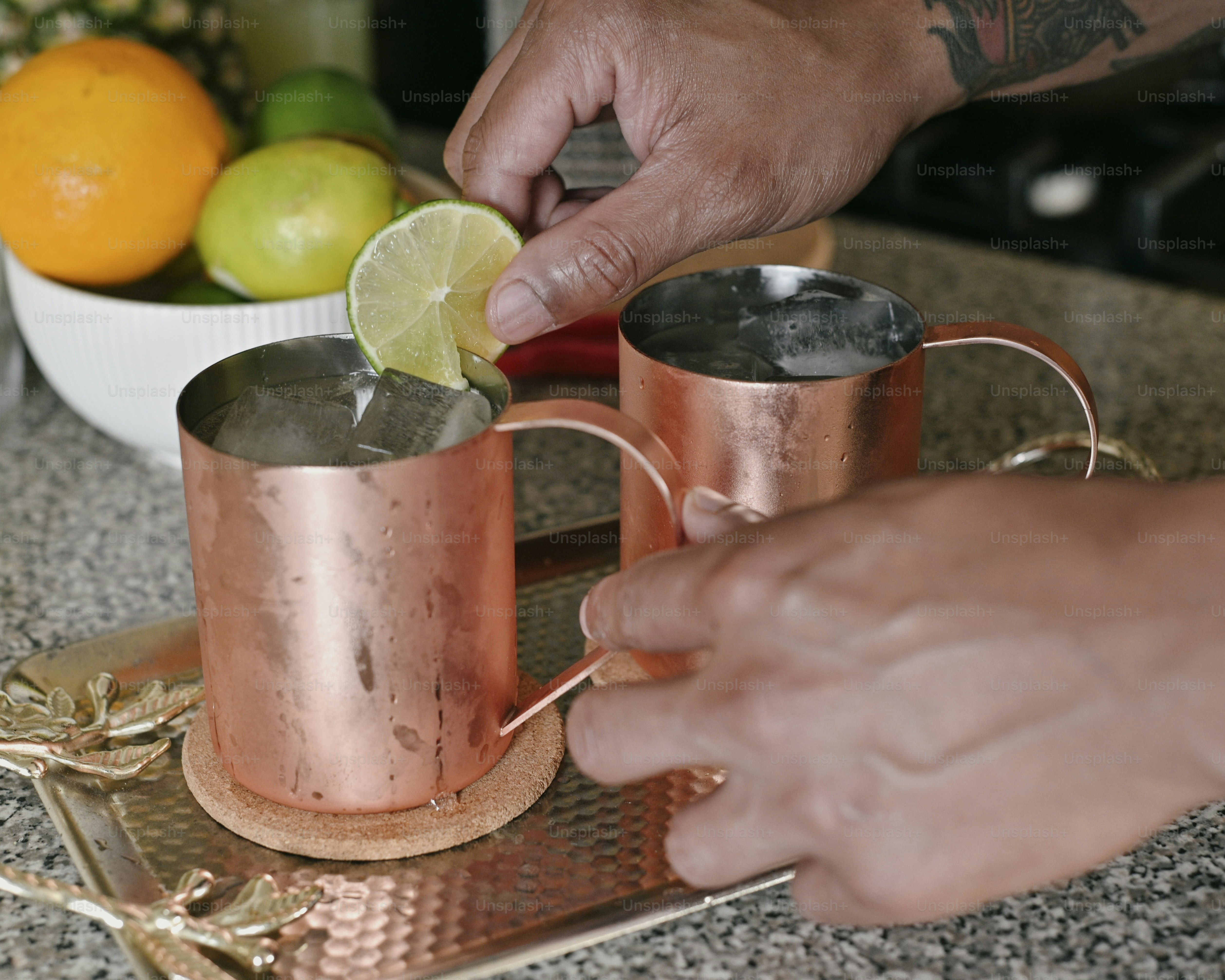
Vodka shines in Bloody Marys, where tomato juice, Worcestershire sauce, and spices are the stars. The vodka is present but invisible. Moscow Mules work because the ginger beer and lime create a distinctive flavour. The vodka supports them without competing. Vodka Martinis are elegant precisely because vodka doesn't interfere with the subtle interplay of vermouth, gin's botanical profile isn't wanted.
Classic Gin Cocktails:
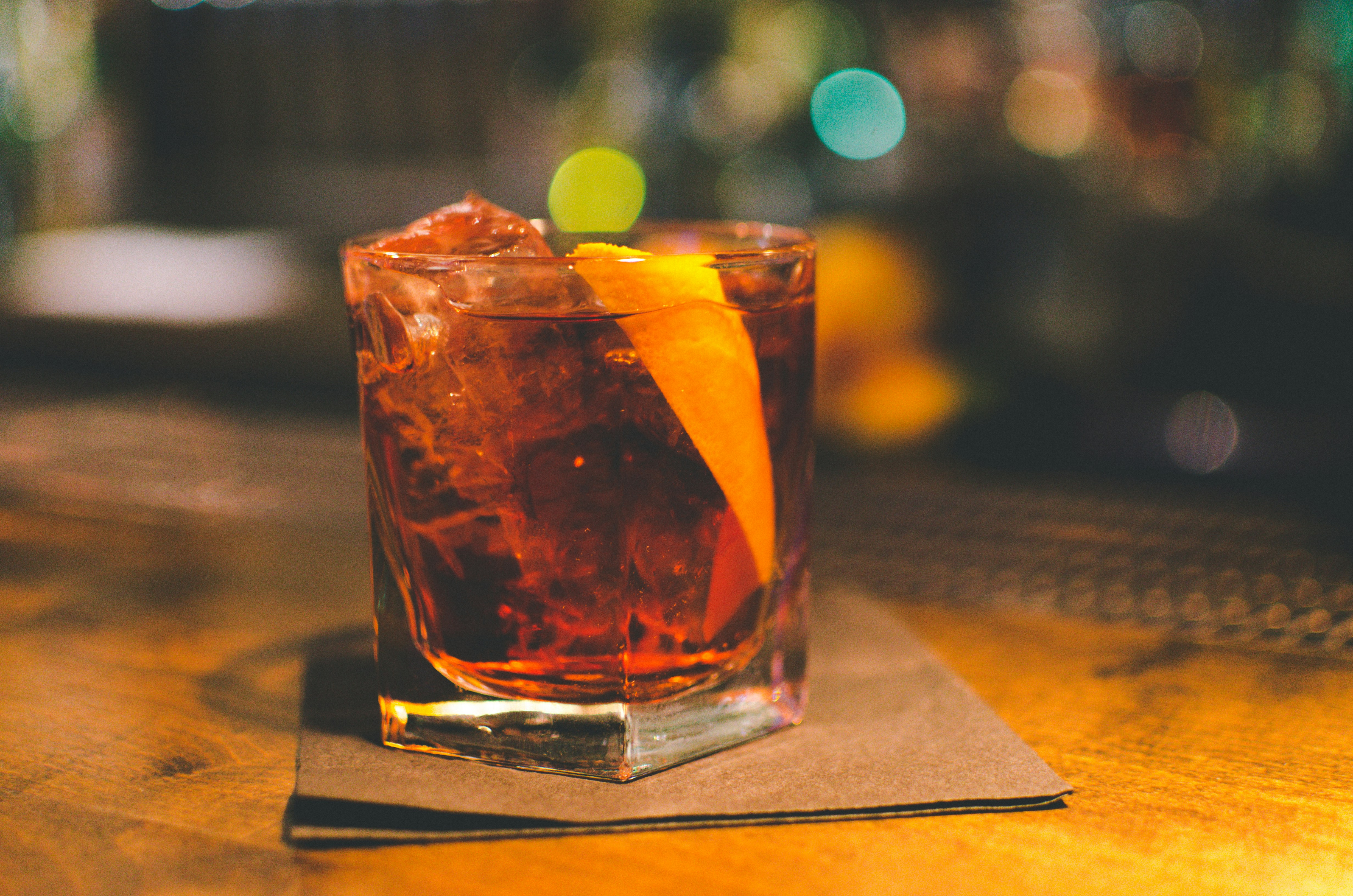
Gin & Tonic is the perfect showcase for gin's botanicals. The tonic's quinine pairs beautifully with juniper. You're not just tasting alcohol. You're tasting gin's complete flavour profile. Negroni combines gin's botanicals with the bitter herbal notes of Campari and the sweetness of vermouth, creating a complex, balanced drink. Tom Collins uses gin's flavours as part of the drink's identity, not just as a neutral base.
Also Read: 7 Winter Raitas That Feel Comforting, Not Cold
Choosing Between Them
At the end of the day, choosing gin or vodka comes down to preference, not health or alcohol content.
Choose vodka if you want something neutral that complements other flavours. If you prefer simplicity, or if you don't want your spirit imposing its character on your drink, vodka is the choice. Choose vodka for mixed cocktails where other ingredients shine.
Choose gin if you want something with personality and complexity. If you appreciate botanical flavours and want them front and centre, gin is the choice. Choose gin for cocktails where you want the spirit itself to be an active ingredient, not just a supporting player.
Neither is objectively better. They're simply different expressions of the distiller's craft. One celebrates absence. One celebrates presence. Understanding this difference is what separates casual drinkers from educated ones.
Final Thoughts
Gin and vodka are often compared as if they're interchangeable, but they're actually expressions of opposite philosophies. Both contain the same alcohol content. Both have similar nutritional profiles. But gin deliberately adds complexity through botanicals whilst vodka deliberately removes any distinctive character. This difference matters more than any health consideration or calorie count. When you choose gin, you're choosing a drink with personality and history. When you choose vodka, you're choosing a neutral platform. Neither choice is wrong. But understanding why you prefer one over the other transforms you from someone who just drinks to someone who understands what they're actually drinking. That knowledge, genuinely, makes everything taste better.