


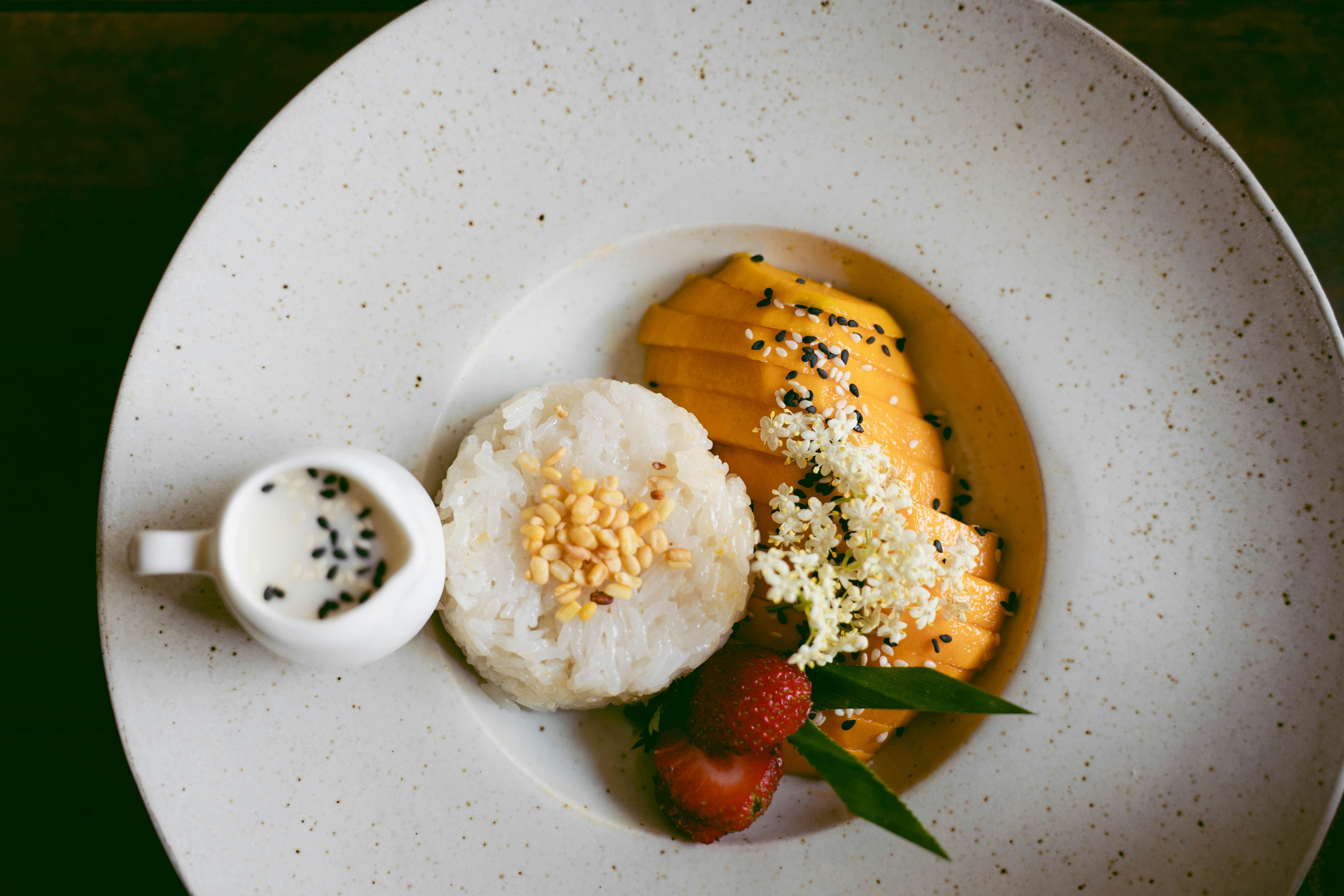
Every summer, when India's markets overflow with golden, fragrant mangoes, there's one dessert that deserves a lot more attention than it gets: Thai mango sticky rice. Known in Thailand as Khao Niaow Ma Muang, this dish is a staple of Thai street food culture, and it's absolutely brilliant. Sweet, creamy, chewy, and fresh all at once. The good news for us here in India is that we already have the best possible ingredient, magnificent mangoes, and everything else is fairly easy to find. So let's talk about why this dessert is worth your time and exactly how to make it at home, step by step.











What Even Is Thai Mango Sticky Rice?
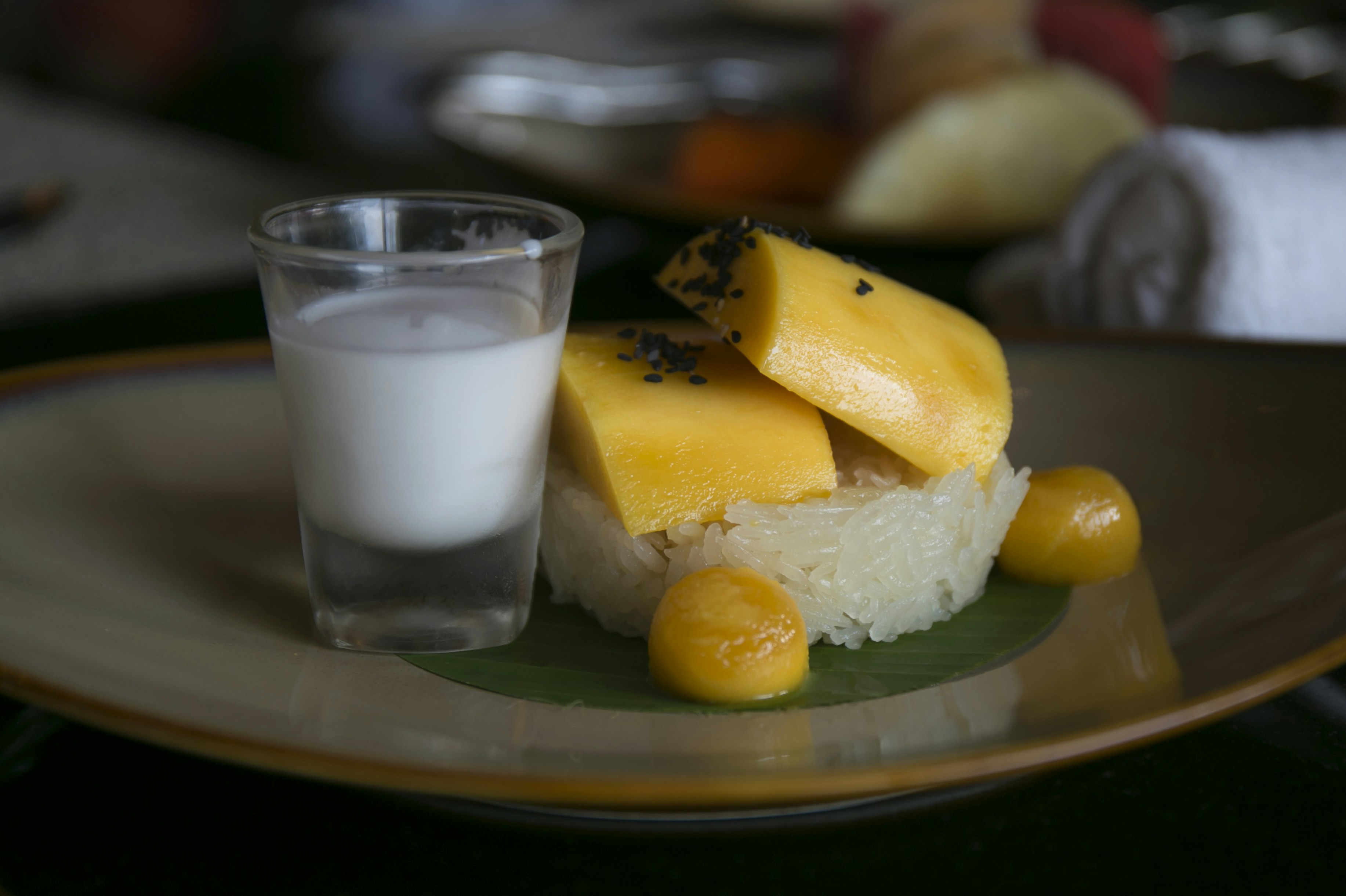
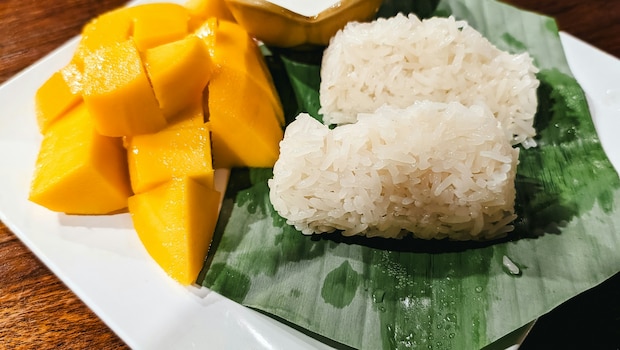
Before we get into the how, let's cover the what. Thai mango sticky rice is a dessert made up of three components: glutinous sticky rice cooked in sweetened coconut milk, ripe fresh mango sliced alongside, and a lightly salted coconut cream poured over the top. That's essentially it. Three things, each fairly simple on its own, but together they create something genuinely wonderful.
In Thai, khao neow means glutinous sticky rice, and mamuang means mango. Sticky rice is actually the staple starch of northern and northeastern Thailand (a region called Isaan), and it's also widely used in Thai desserts. So this isn't some fusion experiment; it's deeply rooted in Thai food culture, sold on street corners and in markets all across the country, especially during mango season from March to June.
What makes it special is the contrast. The rice is warm, dense, and intensely coconutty. The mango is cool, silky, and fragrant. The coconut cream topping is savoury-sweet. Bite into all three together, and there's a reason people travel across Southeast Asia chasing this dish.
Also Read: Jam vs Marmalade: Similarities And Differences Explained
Why Indians Will Absolutely Love This
Here's the thing: we are not strangers to coconut, mango, or rice-based desserts. Think about payasam, kheer, aamras, or modak. We have centuries of tradition around combining coconut milk with sweet things, and we know better than most how transformative a perfectly ripe mango can be.
Thai mango sticky rice is like a cousin to these desserts, familiar in spirit, but different enough to feel like something exciting. It's not too heavy, not too sweet, and it comes together beautifully when Indian Alphonso, Kesar, or Dasheri mangoes are in season. In fact, many home bakers and food bloggers in India have already started making it, and the consensus is clear: our mangoes make this dish even better than the original.
The Full Recipe: Thai Mango Sticky Rice
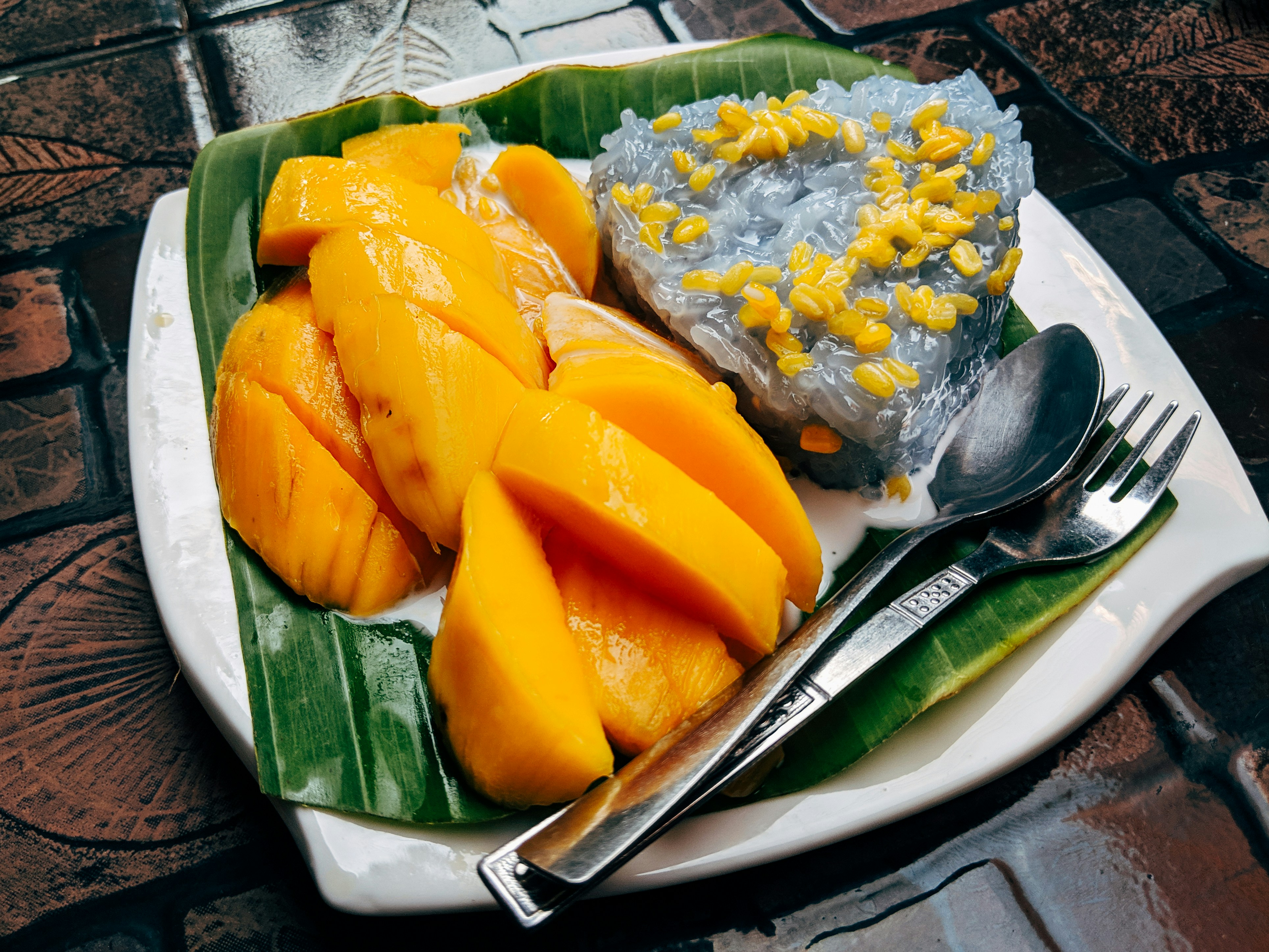
- Serves: 2
- Prep time: 10 minutes (plus 4–6 hours soaking)
- Cook time: 25 minutes
Ingredients
For the sticky rice:
- ½ cup Thai glutinous rice (sticky rice)
- 1 cup full-fat coconut milk
- 3 tablespoons sugar (white granulated works best)
- ¼ teaspoon salt
For the coconut cream sauce:
- ½ cup full-fat coconut milk or coconut cream
- 1 tablespoon sugar
- ¼ teaspoon salt
- ½ teaspoon cornflour (optional, for a slightly thicker sauce)
For serving:
- 1 large ripe mango (Alphonso, Kesar, or Dasheri), peeled and sliced
- 1 teaspoon toasted sesame seeds (or fried mung beans, if you can find them)
Method
Step 1: Soak the Rice
Rinse the glutinous rice in cold water at least 3 to 4 times, gently rubbing the grains together to remove surface starch. The water should run fairly clear by the last rinse. Then soak the rinsed rice in enough cold water to cover it generously, for at least 4 to 6 hours (overnight is even better). This soaking step is non-negotiable; it's what makes the rice cook evenly and absorb the coconut milk properly.
Step 2: Cook the Rice
Drain the soaked rice. You have two options here.
Steaming (traditional and recommended): Place the drained rice in a steamer basket lined with muslin cloth or a clean cotton cloth. Steam over boiling water for 20 to 25 minutes until the grains are translucent and sticky. Cover during steaming to trap the heat.
Boiling (easier for beginners): Bring a pot of water to a simmering boil. Add the drained rice and cook on low-medium heat for about 18 to 20 minutes until just cooked through but not mushy. Drain any excess water.
Steaming gives a better, chewier texture, but boiling works well too and is far simpler with standard Indian kitchen equipment.
Step 3: Make the Coconut Mixture for the Rice
While the rice is cooking, warm 1 cup of coconut milk in a saucepan over low heat. Add 3 tablespoons sugar and ¼ teaspoon salt. Stir gently, always in one direction if you can, until the sugar dissolves completely. Do not let it boil hard; just heat until it's warm and the sugar is fully dissolved.
Step 4: Combine Rice and Coconut Mixture
Once the rice is cooked, transfer it to a bowl. Pour the warm coconut milk mixture over the rice and stir gently to combine. The rice will absorb all that coconut milk as it sits. Cover the bowl and let it rest for 15 to 20 minutes. Do not skip this resting step, it's what makes the rice properly flavourful and not just starchy. The rice will look quite wet at first but will firm up as it absorbs the liquid.
Step 5: Make the Coconut Sauce Topping
In the same saucepan, combine the remaining ½ cup coconut milk, 1 tablespoon sugar, and ¼ teaspoon salt. If you want a slightly thicker sauce, dissolve the cornflour in a teaspoon of cold water and add it to the pan. Heat over low flame, stirring gently, until it just barely thickens, 2 to 3 minutes. Remove from heat and set aside. This sauce is what you drizzle over the finished plate.
Step 6: Slice the Mango
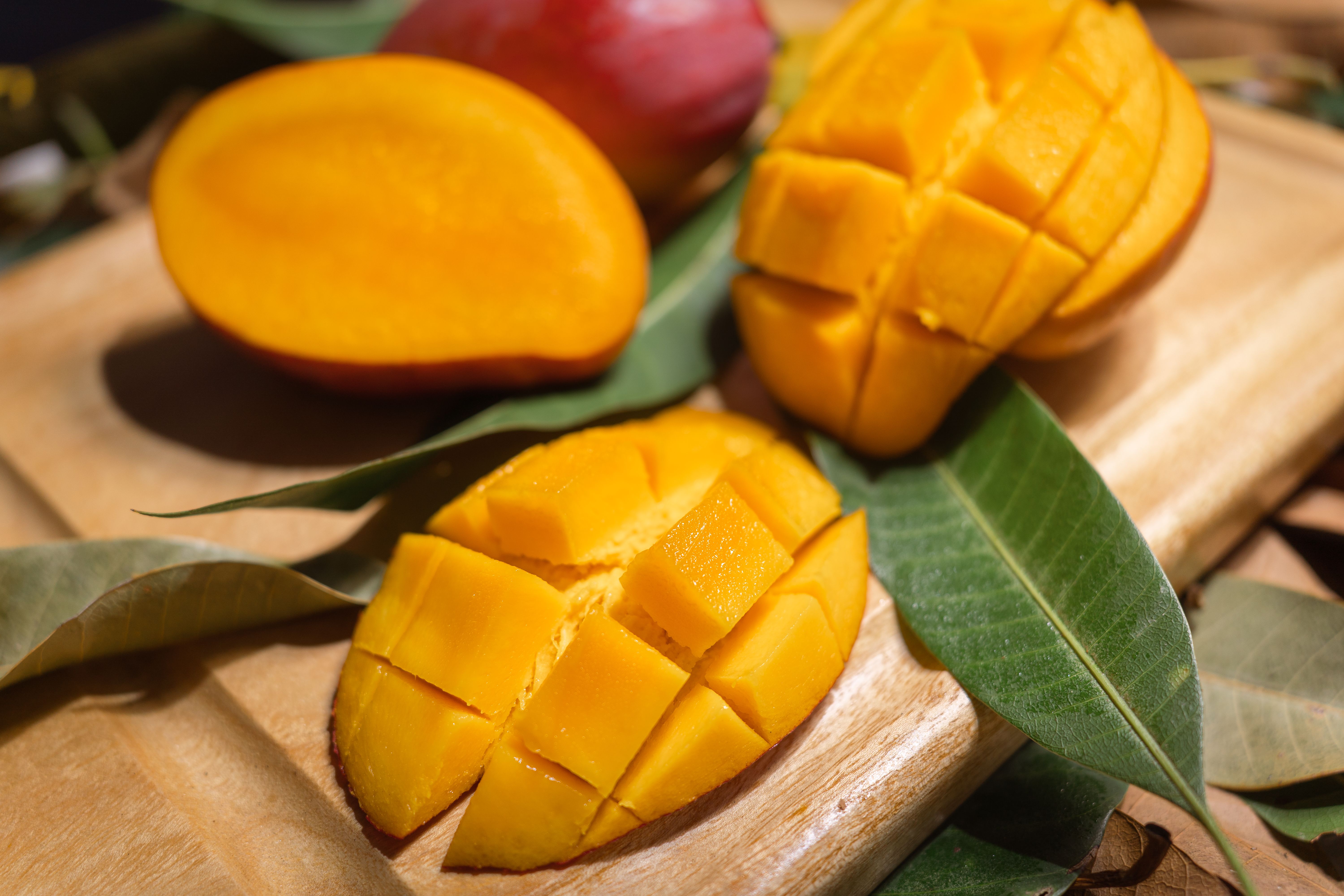
Peel the mango and cut it into clean slices. You can do neat vertical slices, a fan cut, or simply chunky pieces, whatever suits your mood. Just make sure the mango is ripe and cold (refrigerate it before serving for a better temperature contrast with the warm rice).
Step 7: Plate and Serve
Scoop a generous mound of the coconut-soaked rice onto a plate. Arrange the mango slices alongside it. Drizzle the coconut cream sauce over the rice (and the mango if you like). Sprinkle a pinch of toasted sesame seeds or fried mung beans on top for texture and a subtle nuttiness.
Serve immediately. The rice is best slightly warm, the mango cool, and the sauce freshly drizzled.
Also Read: Strange Food Combos That Look Wrong, But Are Right To Eat
Tips and Things to Keep in Mind
- On the rice: Don't substitute glutinous rice with anything else. Regular rice simply won't deliver the chewy, absorbent texture that makes this dessert work. Glutinous rice is widely available online in India.
- On the coconut milk: Use full-fat only. Light coconut milk is too watery and won't give the rice the creamy richness it needs.
- On the salt: The salt in the coconut sauce is not a mistake; it's essential. It creates a sweet-salty contrast that amplifies both the coconut flavour and the sweetness of the mango. Don't reduce it.
- On leftovers: The rice firms up quite a bit when refrigerated. If you want to enjoy leftovers, reheat the rice gently in a steamer or microwave with a splash of coconut milk to loosen it up.
- On the mango: Please use ripe, sweet mangoes. An unripe mango will make the whole dish feel off. If your mangoes aren't quite there yet, leave them at room temperature for a day or two before using them.
Also Read: What Drinking Coconut Water For 30 Days Does To Your Body
Comforting Summer Dessert
Thai mango sticky rice is one of those rare desserts that is both deeply comforting and genuinely exciting, familiar enough to love immediately, but different enough to feel like a discovery. For Indian home cooks, it's also wonderfully accessible because our best mangoes, available from April through June, are perfectly suited for it. The recipe is simple, the ingredients are easy to find, and the results are remarkable enough to impress anyone you serve it to. Make it once during mango season this year and we're quite sure it'll become a summer ritual. Your mangoes deserve this moment.