


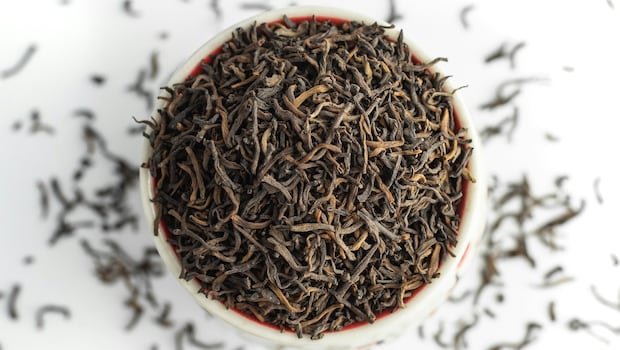
Your daily cup of tea might feel like the most comforting ritual, but have you ever stopped to think about what really goes into those tea leaves? Adulteration in everyday food items is more widespread than most of us realise. From spices and grains to beverages we consume daily, impurities often creep in unnoticed. While these may not always be visible to the naked eye, they can still compromise both quality and safety over time.
To help consumers stay aware, the Food Safety and Standards Authority of India has shared a simple home test to detect iron filings in tea leaves. Yes, it may sound surprising, but sometimes tiny iron particles are added or accidentally mixed during processing, making this an important check you can easily do at home.
Also Read: Is Your Turmeric Powder Adulterated With Yellow Clay? Food Authority Tells How To Find Out
How To Detect Iron Fillings In Tea Leaves At Home
This quick test doesn't require any fancy tools or technical knowledge. With just one common household item, you can get a basic idea of whether your tea leaves are pure or contaminated.
What You Will Need
- A small quantity of tea leaves
- A glass plate
- A magnet
Step-By-Step Method To Check Purity
1. Prepare The Tea Leaves: Place a small amount of tea leaves on a clean glass plate and spread them out evenly for inspection.
2. Use A Magnet For Testing: Take a magnet and slowly move it over the tea leaves, making sure to pass it closely across the surface.
3. Observe The Reaction: Pure, unadulterated tea will not react to the magnet and no particles will stick to it.
4. Identify Contamination: If iron filings are present, tiny particles will cling to the magnet - a clear sign that the tea has been adulterated.
Also Read: Why Caramelised Onions Are the Most Versatile Condiment In Your Kitchen
Why Is This Test So Important
Iron filings in tea may enter during processing or due to poor quality control. While small traces might not always cause immediate harm, regular consumption can pose health risks and certainly affects the quality of your brew. Simple awareness checks like this can make a big difference in ensuring what you consume is safe. While this home test is not a replacement for professional testing, it serves as an easy first step in identifying visible adulteration.
Being mindful about everyday staples, even something as routine as your cup of tea, can go a long way in helping you make safer, more informed choices.