



Pressure cookers are everywhere today, from busy home kitchens to hostel rooms and even professional setups. They promise one thing we all want: quick, no-fuss cooking. But somewhere between the whistles and the speed, a doubt often pops up: is this food still as nutritious as it should be? Let's find out.
Why Is Pressure Cooking So Popular?
If you want to cook rajma, chole, or dal the traditional way, it could take hours. Now, a pressure cooker cuts that time down to minutes. It uses steam trapped under pressure, which raises the cooking temperature and speeds everything up. So, it's much faster, and that's not always a bad thing.
Wondering if fast cooking means all nutrients are destroyed? Well, not really. In fact, pressure cooking can actually be better than some common methods because nutrients don't just disappear due to heat. In fact, they are affected by the duration of cooking, the quantity of water used, and if the nutrients escape into that water. On these three fronts, the pressure cooker performs well.
Also Read: Why The Pahadi Bread Siddhu Is At The Heart Of Himachali Life
The biggest advantage is speed. Food cooks quickly, so vitamins don't stay exposed to heat for too long. When you boil vegetables, a lot of nutrients seep into the water, and if you throw that water away, they're gone. Pressure cooking uses very little water, and most people use the leftover liquid in the dish itself. So those nutrients stay right where they should be.
Another benefit of pressure cooking is easy digestion. Since the food softens properly, your body can absorb the nutrients easily.
Is This Method Of Cooking Completely Perfect?
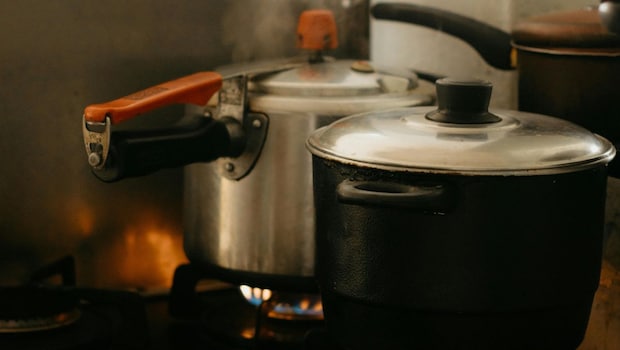
Photo: Pexels
Using a pressure cooker can also overcook your food sometimes. If you let the cooker whistle endlessly or cook food longer than needed, nutrients will start to break down, compromising on the texture, taste, and some vitamins. As is the case with every cooking method, some vitamins, like vitamin C, can still be lost during cooking.
Pressure cooking helps reduce something called anti-nutrients (naturally present in foods like beans and grains). These compounds can block your body from absorbing minerals. By reducing them, pressure cooking actually helps your body get more iron, calcium, and zinc.
So in some ways, it's not just preserving nutrition, it's improving it.
Also Read: 9 Iconic Toffees Every 90s Indian Kid Will Instantly Remember
The bottom line is, pressure cooking is quick, efficient, and surprisingly good at preserving nutrients. It's actually better than boiling in many cases and far healthier than deep frying. You're not sacrificing nutrition for convenience here. If anything, pressure cooking is one of those rare kitchen methods that gives you speed and health together.